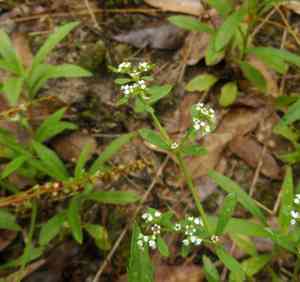
Drummond's nailwort (Paronychia drummondii)
Also known as: Drummond's Nailwort
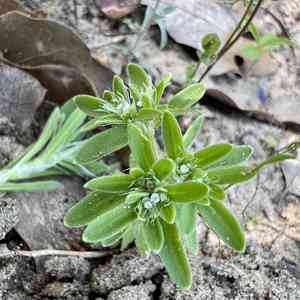
Drummond's nailwort is a hardy, low-lying perennial herb that flourishes in the sandy or rocky terrains of North American prairies. This plant features small, greenish to whitish flowers that harmonize with its surroundings. Its narrow leaves and sprawling growth pattern make it well-suited for open, dry areas, where it can form a dense ground cover capable of withstanding moderate foot traffic and grazing.
In This Article
Attributes of Drummond's nailwort
Lifespan
Annual
Plant Type
Herb
Plant Height
5-15 cm
Spread
5-30 cm
Leaf Color
Green
Flower Size
1-2 mm
Flower Color
White to cream
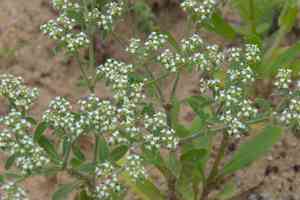
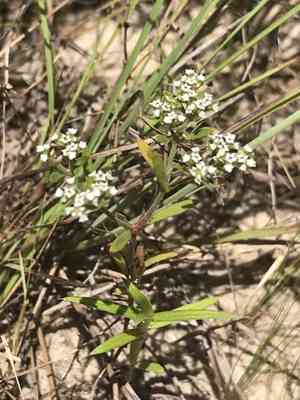
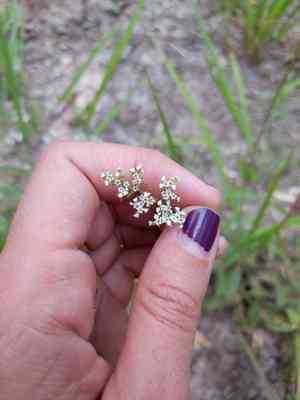
Images of Drummond's nailwort
Quickly Identify Drummond's nailwort
1
Drummond\'s Nailwort can be identified by its small, opposite leaves, white to cream-colored flowers, and the silvery bracts that surround the flowers. The plant forms low-lying mats and often grows in rocky or sandy soils.
Scientific Classification of Drummond's nailwort
Phylum
Vascular plants
Class
Dicotyledons
Order
Caryophyllales
Family
Pink
Genus
Chickweed
Species
Drummond's nailwort
Planting and Growing of Drummond's nailwort
Care Difficulty
Easy
Watering Schedule
Every 2 days
Sunlight Requirements
Full sun
Sunshine Duration
4-8 hours
Ideal Temperature
65-75℉
Soil Type
Potting Mix, Peat Mix
Soil pH
6.5-7.5
Fertilizer Type
Balanced
Pruning Season
Spring, Summer
Pruning Area
Branches, Leaves
Pruning Frequency
Once a year
Repotting Season
Spring
Pot Type
Plastic, Ceramic
 How to Water Drummond's nailwort?
For Paronychia drummondii, water this plant thoroughly but ensure the soil is well-draining. You should see water coming out of the drainage holes, indicating the soil is fully moistened. The 250 ml usually suffices in getting the soil appropriately soaked.
What are the symptoms of an underwatered Drummond's nailwort?
›
What should I do if my Drummond's nailwort is not getting enough water?
›
What are the symptoms of an overwatered Drummond's nailwort?
›
How to save an overwatered Drummond's nailwort?
›
 What Are the Sunlight Requirements for Drummond's nailwort?
Paronychia drummondii prospers in full to partial sun, enjoying the benefits of vigorous growth, improved immunity to pests, and increased flowering potential under ideal light conditions.
How much sunlight does Paronychia drummondii need daily?
›
What solutions exist to ensure optimal sunlight exposure?
›
What benefits are achieved with ideal sunlight conditions?
›
 What Is the Ideal Temperature Range for Drummond's nailwort?
Paronychia drummondii thrives best in moderate temperatures, ranging from 65°F to 75°F. This range supports active growth and helps the plant maintain its metabolic processes efficiently. Keeping the plant within this range ensures optimal flowering and robust foliage.
 What Soil is Best for Drummond's nailwort?
Paronychia drummondii thrives in well-drained soils that prevent waterlogging. This ensures the roots have access to oxygen, reducing the risk of root rot and encouraging healthy growth. It prefers moderately fertile soils that can provide essential nutrients for optimal growth. Having the right balance of nutrients supports vibrant foliage and robust flowering. This plant can tolerate low moisture conditions, making it ideal for drier regions. It conserves water without compromising growth, an advantage in areas with water restrictions.
 How to Fertilize Drummond's nailwort?
For Paronychia drummondii, apply a balanced liquid fertilizer diluted to half its strength. As it thrives in relatively poor soil, moderate fertilization is crucial to prevent nutrient overload. For each application, use approximately 250ml of the diluted solution per plant, ensuring the soil is moist prior to application.
 How to Prune Drummond's nailwort?
Begin by examining the plant for dead, damaged, or diseased branches. Removing these first will not only improve the plant's appearance but also its overall health. In dense patches, thin out branches to allow more light and air to penetrate the plant. This encourages better health and growth by reducing the chances of fungal disease. After cleaning up, shape the plant to the desired look by trimming excessive growth. Keep the natural form of Paronychia drummondii in mind to maintain its aesthetic appeal.
More About Pruning Techniques→
 How to Propagate Drummond's nailwort plant?
1
Start by soaking the seeds in lukewarm water for 24 hours to enhance germination rates. This softens the seed coats, making it easier for seeds to absorb moisture and sprout.
2
Use sharp pruning shears to take 4-6 inch cuttings from healthy, non-flowering stems. Make a clean diagonal cut just below a leaf node to encourage root development.
3
Place seeds or cuttings in a growing medium that is well-draining. Water them lightly and cover with a plastic dome or film to retain moisture and humidity essential for initial growth.
 How to Repot Drummond's nailwort plant?
1
Paronychia drummondii shows it’s ready for repotting when roots begin to outgrow their pot or when the soil loses its vitality. Spring or early summer is the optimal time, as they’re less likely to stress during their growing phase.
2
Choose a pot that is only slightly larger than the previous one, ensuring it has ample drainage holes. A terracotta pot can be an excellent choice to prevent root rot because it allows evaporation and air circulation.
3
Opt for a well-draining sandy soil mix. This type of soil mimics its natural habitat, preventing water retention, which can cause root rot, all while providing enough aeration for healthy root development.
Learn More About Drummond's nailwort Diseases
Anthracnose
Bacterial Leaf Spot
Bacterial Wilt
Chemical Injury
Crown Gall
Cyst Nematode
Damping-off
Downy Mildew
Drought Stress
Fusarium Wilt
Gray Mold
Leaf Curl
Leaf Spot
Mosaic
Nutrient Deficiency
Nutrient Toxicity
Powdery Mildew
Root Rot
Root-knot Nematode
Rusts
Sooty Mold
Spider Mites
Temperature Stress
Thrips Damage
White Mold



