How to Transplant Mediterranean beach daisy?
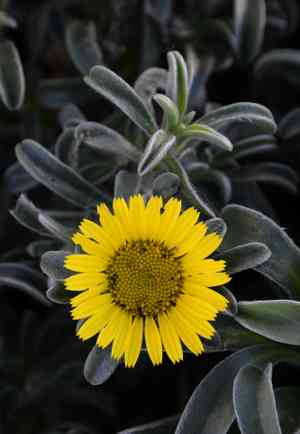
Mediterranean beach daisy flourishes when relocated to new environments between late spring and the onset of early summer, promoting vigorous development. Select a bright area featuring soil that drains effectively to accommodate mediterranean beach daisy's root system.
Preparations Required Before Relocating Mediterranean Beach Daisy?
When is the Best Time to Move Mediterranean Beach Daisy?
The prime time for moving mediterranean beach daisy is as warmer weather begins, typically from late spring into mid-summer. Transplanting mediterranean beach daisy during this fertile window encourages strong root development, benefiting from rising temperatures and longer daylight hours that stimulate growth. A friendly reminder: relocating mediterranean beach daisy when the ground is ready ensures a smooth transition to its new spot, boosting its vigor and flowering potential.
What Distance Should Be Maintained Between Mediterranean Beach Daisy Plants?
Greetings, aspiring gardener! Ready to provide your mediterranean beach daisy with a fresh home? Let's discuss spacing. You'll want to give them ample room to flourish. Aim for approximately 6-8 inches (15-20 cm) between each plant. This will allow their lovely blooms sufficient space to expand and brighten your garden.
What is the Optimal Soil Blend for Mediterranean Beach Daisy Transplantation?
For your mediterranean beach daisy to thrive, they will appreciate a comfortable bed of well-draining soil. It's like selecting the perfect mattress for a restful night's sleep! Incorporate a handful of compost or a slow-release fertilizer to provide them with a nourishing start. They will reward you with robust and healthy growth.
Where Should You Replant Your Mediterranean Beach Daisy?
Sunlight is the ultimate remedy for your mediterranean beach daisy! Select a location where they can soak in full sun for most of the day. They adore the sun as much as a cat enjoys a warm windowsill. However, a bit of afternoon shade is acceptable, especially in very hot climates. Now, grab your sunglasses and begin planting!
What Tools Should You Prepare Before Transplanting Mediterranean Beach Daisy?
Gardening Gloves
To safeguard your hands while handling soil and plants.
Trowel
For excavating smaller plants or creating holes for planting.
Spade or Shovel
For digging up larger plants and preparing the new planting area.
Watering Can or Hose
For hydrating the mediterranean beach daisy before and after relocation.
Pruning Shears
For trimming any damaged roots or foliage.
How Do You Extract Mediterranean Beach Daisy from the Ground?
How Do You Extract Mediterranean Beach Daisy from the Ground?
From Ground: First, water the mediterranean beach daisy to moisten the surrounding earth. Use a shovel or spade to dig a wide circle around the plant, being careful to keep the root ball intact. Gently work the tool under the roots to lift the mediterranean beach daisy from its original spot. From Pot: Begin by watering the plant, then invert the pot and gently tap the base to encourage the mediterranean beach daisy to slide out. If it resists, you might need to roll the pot or apply light pressure to the sides to loosen the soil. From Seedling Tray: Moisten the soil to facilitate removal. Carefully lift the mediterranean beach daisy seedling with a trowel or by gently pushing on the bottom of the tray cell to dislodge it, ensuring the root structure remains undamaged.
Step-by-Step Guide for Relocating Mediterranean Beach Daisy
Transplant Timing
Perform the transplant during the early morning or late afternoon to avoid the intense midday heat that can stress the mediterranean beach daisy.
Prepare New Location
Dig a hole at the new site that is twice as wide and as deep as the mediterranean beach daisy's root ball, loosening the soil at the bottom for easier root penetration.
Root Pruning
Trim any damaged or excessively long roots with pruning shears to encourage new growth and simplify the transplanting process.
Placing the mediterranean beach daisy
Position the mediterranean beach daisy in the center of the hole, ensuring it sits at the same depth as it did in its previous location. The plant should be upright and centered.
Fill the Hole
Gently backfill the hole with soil, firming it around the mediterranean beach daisy to eliminate air pockets. Do not compact the soil too much, as this can impede root growth.
Water Thoroughly
After planting, saturate the soil with water to settle it around the roots and to help alleviate transplant shock.
How Do You Care For Mediterranean Beach Daisy After Relocation?
Mulching
Apply a layer of mulch around the mediterranean beach daisy to retain moisture, regulate soil temperature, and suppress weeds.
Monitor Moisture
Ensure the soil remains consistently moist for several weeks as the mediterranean beach daisy establishes itself in its new spot, but avoid overwatering which can lead to root rot.
Pruning
Trim any stressed or damaged foliage to direct the mediterranean beach daisy's energy towards establishing its roots.
Support Structures
If the mediterranean beach daisy shows signs of weakness or instability, use stakes or other supports to maintain an upright position until the roots take hold and strengthen.
Addressing Common Issues with Mediterranean Beach Daisy Transplantation.
How do I know the best time to transplant mediterranean beach daisy?
The ideal period is late spring to early summer, offering warmer soil and stable weather conditions for mediterranean beach daisy.
What is the optimal spacing for mediterranean beach daisy when transplanting?
Allow ample room by giving mediterranean beach daisy a space of 6-8 inches (15-20 cm) apart.
Why is my mediterranean beach daisy wilting after transplanting?
Wilting may indicate shock or insufficient watering. Ensure it receives adequate moisture but isn't waterlogged.
How deep should I plant mediterranean beach daisy during transplantation?
The root ball should be level with the soil surface, ensuring roots are neither too deep nor exposed.
Can I transplant mediterranean beach daisy on a hot, sunny day?
It's best to transplant on a cool, overcast day to minimize stress and water loss for mediterranean beach daisy.
What soil type is best for transplanting mediterranean beach daisy?
Use well-draining soil rich in organic matter to provide the nutrients and moisture balance mediterranean beach daisy needs.
Should I fertilize mediterranean beach daisy immediately after transplanting?
Wait a few weeks before fertilizing to allow mediterranean beach daisy to settle and its roots to recover from the move.
What signs indicate that mediterranean beach daisy is ready to be transplanted?
Look for mediterranean beach daisy outgrowing its current container or when it's in its active growth phase in late spring.
How should I handle the roots of mediterranean beach daisy during transplanting?
Gently untangle matted roots and trim any damaged sections to promote healthy growth in mediterranean beach daisy's new location.
How much water does mediterranean beach daisy require after transplanting?
Water mediterranean beach daisy thoroughly after transplanting to settle the soil around the roots, then continue with regular watering.



