How Much Sunlight Do Mediterranean beach daisy Need?
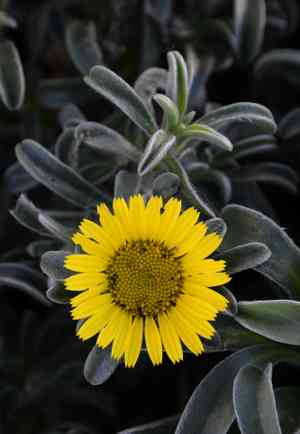
1
The Mediterranean beach daisy flourishes optimally with over six hours of direct sun exposure each day.
2
Insufficient light can impede its flowering and general development.
3
Thoughtfully placing your Mediterranean beach daisy can greatly improve its access to sunlight.
Optimal Light Conditions for Mediterranean beach daisy
Full Sun Needs
The Mediterranean beach daisy, as its name implies, thrives in settings that replicate the bright, coastal areas of the Mediterranean. This charming perennial prefers full sun, requiring at least 6 to 8 hours of direct sunlight daily. Ample light is vital for its vibrant blooms and lush foliage, making it a lovely garden addition. Ensure your chosen garden spot receives uninterrupted sunlight for best results.
Partial Sun Adaptability
While the Mediterranean beach daisy flourishes in full sun, it can endure partial sunlight. If your garden has areas with filtered or partial sunâmeaning 3 to 6 hours of direct lightâyour daisy will still grow, though less vigorously. The plant might produce fewer flowers and be less robust than those in full sun. Thus, balancing expectations is crucial when cultivating these daisies in less-than-ideal light.
Seasonal Light Changes
Seasonal shifts significantly affect the amount of sunlight your Mediterranean beach daisy receives. During spring and summer, with longer, more intense days, the daisy will get ample light, promoting its flowering phase. However, in fall and winter, sunlight hours shorten, and intensity decreases. It's important to consider these variations and, if necessary, provide artificial light if growing daisies in movable indoor containers.
Impacts of Insufficient Sunlight on Mediterranean beach daisy
Signs of Low Light
If your Mediterranean beach daisy isn't getting enough sunlight, it will display clear, easily noticeable signs. The most prominent symptom is leggy or stretched growth, where stems become unusually long and thin, reaching for more light. Leaves may turn pale green or yellow, and you might observe a significant reduction in blooms. Regular plant inspection helps catch these signs early for timely adjustments.
Effect on Growth and Flowering
Sunlight is essential for photosynthesis, the process plants use to generate energy for growth. For the Mediterranean beach daisy, insufficient sunlight impedes this process, leading to stunted growth and fewer flowers. Any blooms that do appear may be smaller and less vibrant. Over time, a persistent lack of sunlight can weaken the plant, increasing its susceptibility to pests and diseases. Ensuring adequate sunlight is key to maintaining its health and beauty.
Best Practices for Mediterranean beach daisy Sunlight
Garden Placement
Selecting the correct garden location is the first step to ensuring your Mediterranean beach daisy gets enough sunlight. Choose an area facing south or southwest, as these spots typically receive the most sun throughout the day. Avoid placing your daisy too close to taller plants or structures that might cast shadows. If growing in a pot, you have the flexibility to move it as needed to follow the sun.
Utilizing Reflective Surfaces
An effective yet often overlooked method to maximize sunlight exposure is using reflective surfaces. Placing light-colored stones or reflective garden ornaments near your Mediterranean beach daisy can help direct additional light onto the plant. This is particularly useful if your garden spot doesn't receive full day-long sunlight. Reflective mulches and bright white nearby walls can also boost available sunlight, benefiting your daisy's growth.
Monitoring and Adjusting Light
Consistent monitoring is crucial for ensuring your Mediterranean beach daisy receives optimal sunlight. Periodically observe your plant's growth patterns and overall health. Consider using a light meter to measure actual light levels in your garden spot. If you notice insufficient sunlight, think about relocating your daisy or pruning nearby plants that might be creating shade. During winter, explore supplementary lighting options if keeping the plant indoors.
Common Questions About Mediterranean beach daisy Sunlight
Can Mediterranean beach daisy Grow in Shade?
While the Mediterranean beach daisy can endure some shade, it does not flourish in full-shade conditions. Growing in full shade results in reduced growth and fewer flowers. If your garden only has shady areas, consider other shade-tolerant plants instead of this sun-loving daisy.
How to Boost Indoor Sunlight for Mediterranean beach daisy?
For indoor Mediterranean beach daisies, enhancing sunlight can be achieved by positioning the plant near south-facing windows that provide ample light all day. If natural light is limited, using grow lights can supplement the necessary sunlight. Place grow lights approximately 6 inches (15 cm) above the plant and leave them on for 12-14 hours daily to mimic natural sunlight as closely as possible.



