How to Prune Mediterranean beach daisy?
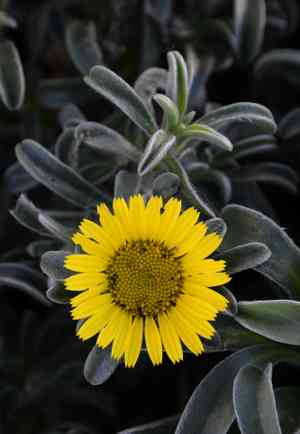
This perennial, which enjoys full sun and resembles a daisy, flourishes in seaside environments. To preserve the mediterranean beach daisy's dense shape and stimulate abundant flowering, consistently remove faded blossoms. Perform a light trim in late spring or early summer, following the primary bloom season. This schedule facilitates robust new growth and readies the mediterranean beach daisy for its subsequent flowering phase. Consistent trimming prevents the plant from becoming sparse and encourages a fuller look, boosting the mediterranean beach daisy's visual attractiveness and general health.
What Are the Benefits of Pruning Mediterranean Beach Daisy?
What Are the Benefits of Pruning Mediterranean Beach Daisy?
Trimming mediterranean beach daisy promotes more abundant flowering and builds stronger resistance to pests and diseases, resulting in a healthier, more attractive plant.
What Is the Best Time for Pruning Mediterranean Beach Daisy?
What Is the Best Time for Pruning Mediterranean Beach Daisy?
The optimal periods for pruning mediterranean beach daisy align with its post-flowering stage, typically following the initial spring bloom. Pruning in late spring or early summer allows the plant to recover and stimulates a second flowering cycle, usually within the same season. This timing also avoids cutting the plant during its active spring growth phases, which are vital for energy production and bloom development. Furthermore, by trimming mediterranean beach daisy after the spring bloom, gardeners can help shape the plant and remove faded flowers, encouraging healthier growth and potentially extending the flowering period. This pruning schedule is consistent with the natural lifecycle of mediterranean beach daisy, ensuring plant vigor and minimizing the risk of harm from ill-timed pruning.
What Tools Do I Need to Prune Mediterranean Beach Daisy?
Bypass Hand Pruners
Given the small and delicate nature of mediterranean beach daisy, sharp bypass hand pruners are ideal for making precise cuts without harming stems or surrounding foliage. They resemble scissors and are perfect for clean, healthy cuts on green, living growth.
Floral Snips
Mediterranean beach daisy may also produce dense clusters of stems and leaves, and floral snips offer the precision needed for thinning or deadheading these without disturbing the rest of the plant. Their slender blades are specifically designed for intricate work on delicate plants, minimizing damage to the plant's structure.
Pruning Shears
For slightly thicker stems or overgrown sections of mediterranean beach daisy, a sturdy pair of pruning shears is suitable. They are more robust than basic hand pruners and are designed to handle woody stems, offering a good balance of precision and strength.
How to Prune Mediterranean Beach Daisy
Clean tools
Before pruning mediterranean beach daisy, disinfect pruning shears or scissors with a solution of 1 part bleach to 9 parts water to prevent disease spread.
Remove diseased parts
Cut away any diseased leaves or branches from mediterranean beach daisy at their base, being careful not to tear the plant's tissue. Dispose of these parts safely to prevent contamination.
Trim dead material
Identify and trim any dead or withered leaves and branches, as well as faded flowers, from mediterranean beach daisy to promote healthy growth and improve air circulation. Make cuts just above a node or a set of leaves.
Shape plant
Prune excessive growth branches on mediterranean beach daisy to maintain the desired shape and size. Make cuts at a 45-degree angle above a node where new growth is desired.
Thin out
Thin out mediterranean beach daisy by removing some of the older branches to rejuvenate the plant and encourage new growth. Ensure that the interior of the plant receives light and air.
Common Pruning Mistakes with Mediterranean Beach Daisy
Overpruning
Removing too much foliage can stress mediterranean beach daisy, leading to reduced blooming and potentially harming the plant's health.
Using dull tools
Dull pruning tools can cause jagged cuts that make mediterranean beach daisy more susceptible to disease and pest infestation.
Pruning into old wood
Cutting into the old, woody parts of mediterranean beach daisy can result in poor or no new growth, as these plants typically regenerate from new or green wood.
Ignoring dead or diseased growth
Neglecting to remove dead or diseased growth can prevent mediterranean beach daisy from directing energy to produce new, healthy growth and blooms.
Pruning too short
Cutting stems too short might remove the buds that would eventually flower, diminishing mediterranean beach daisy's display of blossoms.
Common Pruning Tips for Mediterranean Beach Daisy
Clean cuts
Make clean, angled cuts just above a leaf node or bud to encourage mediterranean beach daisy to produce more branches and blooms.
Sanitize tools
Always use sanitized pruning tools to prevent the spread of diseases to or from mediterranean beach daisy.
Thin out
Thin out overcrowded stems to improve air circulation, which can help reduce the likelihood of fungal diseases and encourage more blooms on mediterranean beach daisy.
Shape plant
Shape mediterranean beach daisy by evenly pruning around the plant, keeping its natural form in mind for an aesthetic appearance and balanced growth.
Cut back after flowering
After mediterranean beach daisy has bloomed, cut back the spent flowers to promote a second flush of blooms.



