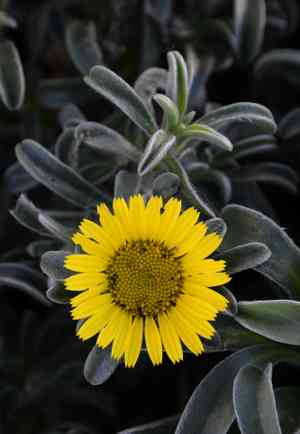
Mediterranean beach daisy (Pallenis maritima)
Also known as: Sea Aster, Beach Fleabane
Found along the Mediterranean coast, the Mediterranean beach daisy is an evergreen perennial with yellow flowers in the sunflower family. It thrives in full sun, tolerates dry spells, and can withstand temperatures as low as 15 degrees Fahrenheit.
In This Article
Attributes of Mediterranean beach daisy
Lifespan
Perennial
Plant Type
Shrub
Plant Height
30 cm
Spread
45 cm
Leaf Color
Green Blue
Flower Size
3 cm to 4 cm
Flower Color
Yellow
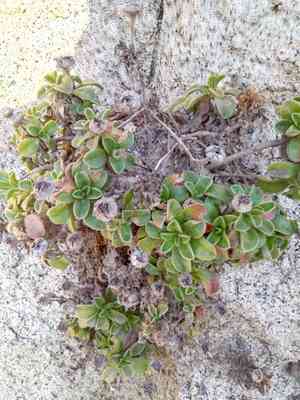
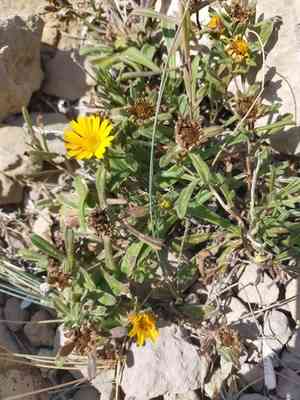
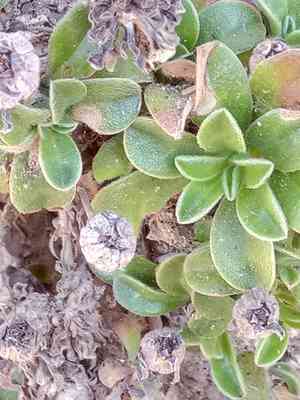
Images of Mediterranean beach daisy
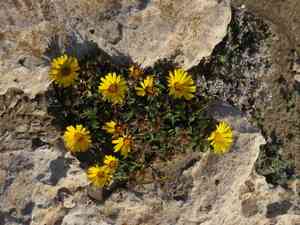
Quickly Identify Mediterranean beach daisy
1
Pallenis maritima can be identified by its bright yellow, daisy-like flowers and its fleshy, lance-shaped leaves. The plant typically grows in coastal areas, often in sandy or rocky soils.
Scientific Classification of Mediterranean beach daisy
Phylum
Vascular plants
Class
Dicotyledons
Order
Asterales
Family
Daisy
Genus
Pallenis
Species
Mediterranean beach daisy
Planting and Growing of Mediterranean beach daisy
Care Difficulty
Easy
Watering Schedule
Every 4 days
Sunlight Requirements
Full sun
Sunshine Duration
6-10 hours
Ideal Temperature
60-75℉
Soil Type
Potting Mix, Peat Mix
Soil pH
6.5-7.5
Fertilizer Type
Balanced
Pruning Season
Spring, Summer
Pruning Area
Branches, Leaves
Pruning Frequency
2 times a year
Repotting Season
Spring
Pot Type
Plastic, Ceramic
 How to Water Mediterranean beach daisy?
Pallenis maritima prefers a moderate approach to watering. Each time you water, aim to provide approximately 250 milliliters. This allows the soil to soak thoroughly without becoming waterlogged. Make sure to let the water penetrate deeply, reaching the plant’s roots, then let the soil dry out a bit before watering again.
What are the symptoms of an underwatered Mediterranean beach daisy?
›
What should I do if my Mediterranean beach daisy is not getting enough water?
›
What are the symptoms of an overwatered Mediterranean beach daisy?
›
How to save an overwatered Mediterranean beach daisy?
›
 What Are the Sunlight Requirements for Mediterranean beach daisy?
Full sun with a preference for uninterrupted daylight is the best range for Pallenis maritima. Ideal light ensures maximum chlorophyll production and energy storage, promoting vigorous growth and hearty flowering.
More About Sunlight Requirements Techniques→
How much light does Pallenis maritima need?
›
What can be done to provide the ideal light?
›
What are the benefits of ideal lighting?
›
 What Is the Ideal Temperature Range for Mediterranean beach daisy?
For optimal growth, Pallenis maritima thrives in temperatures ranging from 60°F to 75°F. This range provides the warmth essential for its development while avoiding extremes that could stress the plant. Consistently maintaining these temperatures outdoors or in controlled environments will ensure healthy foliage and flowering.
 What Soil is Best for Mediterranean beach daisy?
Pallenis maritima thrives in well-drained soil that prevents waterlogging. Well-drained soil ensures the roots get enough oxygen, reducing the risk of root rot and promoting healthy growth. Though hardy, Pallenis maritima benefits from a nutrient-rich soil composition. A good nutrient supply supports robust flowering and vibrant foliage, enhancing the plant's ornamental appeal. The plant prefers soils with moderate moisture levels. This balance helps maintain vital metabolic processes, ensuring the plant remains vigorous and resilient during dry spells.
 How to Fertilize Mediterranean beach daisy?
For Pallenis maritima, the fertilizer amount should be proportional to its size and growth stage. Use half the recommended amount of a balanced liquid fertilizer per liter of water. This plant prefers a light feeding regime.
 How to Prune Mediterranean beach daisy?
Pruning Pallenis maritima is best done in spring and early summer, as this is when the plant is actively growing and can quickly recover. Use sharp, clean pruning shears to make precise cuts and prevent disease. Aim to maintain a compact shape by cutting back overgrown stems by half their length. This encourages bushier growth and helps the plant resist wind and other environmental stresses. Regularly remove spent blooms to extend the flowering period. Snip below the dried flower heads to encourage the plant to divert energy into creating more vibrant blooms.
More About Pruning Techniques→
 How to Propagate Mediterranean beach daisy plant?
1
Ensure the soil is well-draining and nutrient-rich. Mix sand or perlite into potting soil to improve aeration and drainage, essential for seedling health.
2
Sow seeds shallowly in a seed tray during the spring, covering them lightly with soil and maintaining moisture to facilitate germination.
3
Select healthy non-flowering shoots and cut them at an angle. Remove the lower leaves and dip the cut end in rooting hormone before planting in soil.
 How to Repot Mediterranean beach daisy plant?
1
Pallenis maritima often shows signs such as roots growing out of drainage holes or a visible slowdown in growth, indicating the need for repotting. This typically happens every couple of years during spring or early summer. Observing these signals will ensure the plant continues to thrive.
2
Opt for a pot that's slightly larger than the current one, with ample drainage holes. A pot that's too large can lead to overwatering, whereas the right size will support moderate growth and maintain soil moisture balance, preventing root rot.
3
Choose well-drained sandy soil, ideal for Pallenis maritima. This type of soil allows excess water to escape, reducing the risk of waterlogged roots while providing a sandy texture that mimics its natural habitat, ensuring healthy growth.
Learn More About Mediterranean beach daisy Diseases
Anthracnose
Bacterial Leaf Spot
Bacterial Soft Rot
Bacterial Wilt
Black Spot
Chemical Injury
Crown Gall
Cyst Nematode
Damping-off
Downy Mildew
Drought Stress
Fusarium Wilt
Gray Mold
Leaf Curl
Leaf Spot
Mosaic
Nutrient Deficiency
Nutrient Toxicity
Powdery Mildew
Root Rot
Root-knot Nematode
Rusts
Sooty Mold
Spider Mites
Temperature Stress
Thrips Damage
White Mold



