How to Transplant Sand palafox?
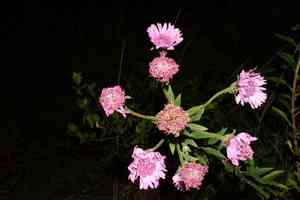
For sand palafox, the ideal time for relocation is the moderately warming phase from the end of spring to the beginning of summer, guaranteeing vigorous development. Select a bright location with soil that drains effectively to accommodate this attractive plant. Exercise caution, as sand palafox thrives with limited disruption to its root system.
Essential Preparations Before Relocating Sand Palafox?
Optimal Period for Moving Sand Palafox?
The best time to move sand palafox is as spring concludes and summer begins. This period offers mild weather, ideal for root development without intense heat. Carefully transferring sand palafox to your garden during this window supports its growth cycle, ensuring a smooth transition and promoting strong development. A helpful hint: Water consistently after transplanting to ensure your green companion settles in successfully!
Required Spacing Between Sand Palafox Plants?
When relocating sand palafox, provide each plant ample room to flourish. Aim for a comfortable distance of approximately 12-18 inches (30-46 cm) between them. This spacing allows your sand palafox to spread its roots and display its beauty without overcrowding.
Ideal Soil Mixture for Sand Palafox Transplantation?
Before your sand palafox finds its new home, ensure the soil drains well and is rich in nutrients. Incorporating a balanced, slow-release fertilizer into your garden bed will give your plants a head start. Strive for a soil pH near neutral, unless specific instructions for sand palafox suggest otherwise.
Recommended Location for Your Sand Palafox?
Your sand palafox enjoys soaking up the sun as much as you do! Select a spot where it can receive at least 6 hours of direct sunlight daily. Full sun will help your sand palafox thrive, so consider sunny borders or open beds away from the shade of larger plants.
Equipment Needed Before Transplanting Sand Palafox?
Gardening Trowel
For excavating and creating a hole in the ground for the sand palafox.
Gardening Gloves
To safeguard your hands while handling soil and the plant.
Watering Can or Hose
For hydrating the sand palafox before and after its relocation.
Spade or Shovel
For digging up the plant if it's being moved from the ground.
Hand Fork
To gently loosen the soil around the plant's roots without causing harm.
Pruning Shears
For trimming any damaged roots or foliage prior to transplanting.
Wheelbarrow or Plant Carrier
To safely transport the sand palafox to its new spot.
Plant Support Stakes
To offer stability for the sand palafox if necessary after transplanting.
How to Extract Sand Palafox from the Soil?
How to Extract Sand Palafox from the Soil?
From Ground: Hydrate the sand palafox plant to moisten the soil, facilitating easier removal with minimal root disturbance. Use a spade or shovel to dig a wide circle around the plant. Carefully insert the shovel beneath the root ball and lift the plant from the ground, being cautious not to harm the roots.From Pot: Water the soil in the pot beforehand to ensure it's damp. Gently grasp the base of the sand palafox and tilt the pot. Tap or lightly press the sides of the pot to loosen the root ball. Carefully slide the plant out of the pot while supporting the root ball with your hand.From Seedling Tray: Moisten the soil in the seedling tray. Use a hand fork or gardening trowel to gently lift the seedling by scooping out the soil and roots from the tray cell. Hold the seedling by its leaves rather than its more fragile stem to prevent damage.
Step-by-Step Guide for Relocating Sand Palafox
Preparation
Ensure the new planting area for the sand palafox is clear of weeds and debris. Gently loosen the soil with a hand fork in preparation for the transplant.
Digging Hole
Use the gardening trowel to dig a hole in the new location that matches the depth and is twice the width of the sand palafox's root ball.
Plant Positioning
Carefully place the sand palafox into the hole, ensuring it sits at the same depth as it was previously growing. The top of the root ball should be level with the surrounding soil surface.
Refilling Hole
Backfill the hole with the excavated soil, gently firming it around the root ball to eliminate any large air pockets.
Watering
Thoroughly water the sand palafox after transplanting to settle the soil around the roots and aid in recovery from transplant shock.
Mulching
Apply a layer of mulch around the base of the sand palafox to retain moisture and regulate soil temperature. Ensure the mulch does not touch the stem to prevent rot.
Supporting
If the sand palafox appears unstable in its new spot, use plant support stakes to help it stay upright and protect it from strong winds.
Post-Transplant Care for Sand Palafox
Monitoring
Regularly inspect the sand palafox for indications of transplant shock, such as wilting or yellowing leaves, and intervene if necessary.
Watering
Maintain consistently moist soil around the sand palafox for several weeks. Water deeply rather than frequently to encourage robust root growth.
Pruning
Trim away any damaged or dead parts of the sand palafox to allow it to direct energy towards new growth after the move.
Stabilization
Continue to adjust the support stakes as the sand palafox grows and becomes more stable in its new environment.
Adapting
Allow the sand palafox time to adjust to its new surroundings. Avoid applying any fertilizer until it shows signs of new growth and has recovered from the transplanting process.
Resolving Common Issues with Sand Palafox Transplantation.
How do I prepare soil for transplanting sand palafox?
Enhance the soil with organic matter and ensure it drains well. Loosen soil to a depth of 10 inches (25 cm) for root establishment.
What's the best season to transplant sand palafox?
Transplant during the ideal period of late spring to early summer, when the soil has warmed sufficiently.
What should I consider for sand palafox's transplant spacing?
Space sand palafoxs approximately 12-18 inches (30-45 cm) apart. Proper spacing aids air circulation and growth.
Why are my sand palafox transplants wilting after planting?
Wilting may indicate shock. Minimize root disturbance during transplant and water immediately after planting.
How much should I water sand palafox after transplanting?
Water thoroughly post-transplant, keeping soil moist but not soggy. Reduce frequency once established.
Can I transplant sand palafox on a hot day?
Avoid transplanting on extremely hot days. Choose a cooler part of the day or a cloudy day to reduce stress on sand palafox.
How deep should I plant sand palafox?
Transplant sand palafox with the root ball level with the soil surface to prevent stem rot or drying out.
Should I fertilize sand palafox after transplanting?
Wait 2-4 weeks before applying a balanced fertilizer to avoid burning the roots while they settle.
Why isn't sand palafox growing after transplant?
Growth delay can occur due to transplant shock. Ensure proper care, avoid overwatering or underwatering, and give it time to recover.
Can I transplant sand palafox in windy conditions?
Wind can increase water loss and stress the plant. Provide shelter from strong winds during the initial establishment period.



