How to Prune Sand palafox?
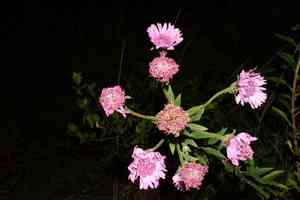
This delicate-stemmed, blooming perennial flourishes in sandy environments. For sand palafox, strategic trimming in spring, summer, or autumn stimulates vigorous development and flowering. Clip away faded blossoms to promote continuous flowering and preserve a dense shape. Eliminating lifeless or frail stalks improves the plant's well-being and visual attractiveness. Trimming immediately following a flowering period optimizes growth and bloom output for the subsequent season. Meticulous deadheading is particularly advantageous for this variety to extend its floral presentation.
Advantages of Trimming Sand Palafox
Advantages of Trimming Sand Palafox
Trimming sand palafox promotes robust development and helps maintain its desired shape. Consistent pruning can encourage stronger, more resilient stems and foliage, while also managing its size for aesthetic and spatial reasons.
Optimal Time for Pruning Sand Palafox
Optimal Time for Pruning Sand Palafox
Pruning or trimming sand palafox in late spring allows for the removal of any branches damaged by frost and fosters a healthy growing season, as the plant enters its active growth period. This timing ensures the plant has the entire growing season to recover and flourish. Early autumn is also suitable, as it allows sand palafox to heal before the potential stress of winter after it flowers. Avoid pruning in late autumn, as new growth may not have sufficient time to harden off before frost, and avoid extensive pruning in summer when sand palafox is likely stressed by heat.
Necessary Tools for Pruning Sand Palafox
Bypass Pruners
For precise cuts on stems and small branches of sand palafox, bypass pruners provide clean cuts that support healthy growth. They operate like scissors, with two blades 'passing by' each other, causing less harm to the plant tissues.
Gardening Gloves
Though not a cutting implement, gloves are crucial for safeguarding hands from thorns and rough stems during the pruning of sand palafox. Durable gloves can prevent cuts and skin irritations, ensuring a safe gardening experience.
Pruning Saw
For mature sand palafox with thicker branches that cannot be managed by pruners, a small pruning saw is ideal. It can cleanly cut through woodier stems, helping to manage the plant's shape and remove any dead or diseased growth effectively.
Long-handled Loppers
If sand palafox has branches that are out of reach or require leverage to cut, long-handled loppers are advantageous. Their extended handles provide the extra reach and leverage needed to prune thicker branches with ease.
How to Prune Sand Palafox
Sanitize tools
Before pruning sand palafox, clean and disinfect pruning shears to prevent the spread of diseases.
Identify
Locate withered leaves on sand palafox that require removal; these may appear discolored or feel dry.
Cut cleanly
Using the sanitized shears, make a clean cut to remove the withered leaves at their base without harming healthy tissue.
Dispose
Discard the removed leaves away from sand palafox to prevent any potential fungal or insect infestations.
Clean up
After pruning, tidy the area around sand palafox to maintain cleanliness and deter pests.
Common Pruning Errors with Sand Palafox
Overpruning
Excessive pruning of sand palafox can weaken the plant by removing too many branches, which reduces its ability to photosynthesize adequately and can lead to stress or disease.
Incorrect cut placements
Making cuts either too close or too far from the bud can harm sand palafox, as cuts that are too close can damage the bud, while cuts that are too far may leave a segment of dead wood that can attract pests and disease.
Using dull tools
Employing dull tools can result in jagged cuts that make sand palafox vulnerable to infections. Clean, sharp tools are essential for healthy pruning cuts.
Ignoring diseased material
Failing to remove diseased branches or not disinfecting tools after cutting through diseased material can spread pathogens throughout sand palafox.
Shaping without consideration
Random shaping without considering the natural growth habit of sand palafox can lead to a decline in plant health and aesthetics.
Neglecting deadheading
Not deadheading spent flowers can result in limited blooms for sand palafox, as the plant might direct its energy into seed production rather than new blooms.
General Pruning Advice for Sand Palafox
Clean cuts
Make clean cuts at a 45-degree angle above a bud or leaf node to promote healthy regrowth for sand palafox.
Regular maintenance
Perform regular maintenance by removing any dead or damaged stems to maintain the overall health and appearance of sand palafox.
Plant structure
Consider the structure of sand palafox when pruning by creating an open center to facilitate light penetration and air circulation, which can help prevent the onset of disease.
Growth phase pruning
Prune sand palafox lightly during active growth phases to shape the plant and encourage bushier growth without stimulating excessive new growth that cannot mature before the less active season.
Tool disinfection
Disinfect pruning tools before and after working on sand palafox to prevent the spread of disease among garden plants.
Conservative approach
Take a conservative approach to pruning sand palafox, as heavy pruning can reduce flowering; instead, focus on light pruning to maintain shape and encourage new blooms.



