The Sand palafox Plant Advantage: Maximizing Home and Office Appeal and Wellness
1
Sand palafox provides ecological benefits.
2
It aids in stabilizing sandy soils.
3
It draws in pollinators, boosting local biodiversity.
What is Sand palafox?
A Brief Overview
Sand palafox is a plant that flourishes in sandy environments, making it uniquely suited to areas where other flora might struggle. Its robust nature enables it to endure and thrive in conditions less than ideal for many other plants.
Habitat and Growth Requirements
This plant typically grows in regions with well-drained sandy substrates. It prefers full sun to partial shade and is known for its drought-tolerant characteristics. This makes it a vital plant in arid and semi-arid zones where water is scarce, offering a resilient vegetation option.
Ecological Benefits of Sand palafox
Soil Stabilization
Sand palafox plays a crucial role in stabilizing soil, especially in sandy areas prone to erosion. The plant's root system helps bind the earth, reducing erosion and preventing the loss of valuable topsoil. This is particularly advantageous in coastal and desert regions, where soil degradation can lead to significant land loss.
Enhancing Biodiversity
By offering habitat and food sources for various insects, including pollinators, Sand palafox contributes to local biodiversity. It attracts bees, butterflies, and other pollinators, thereby supporting the reproduction of other plant species nearby. This symbiotic relationship boosts the area's overall biodiversity, fostering a healthier ecosystem.
How Does Sand palafox Support Pollinators?
Attracting Beneficial Insects
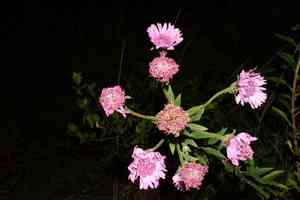
Sand palafox produces appealing flowers that serve as a food source for pollinators. The nectar and pollen provided by these blooms are essential for the survival of many insect species. This floral appeal ensures the continued presence of pollinators, which are crucial for the reproduction of numerous plants.
Impact on Pollination
By drawing in a diverse range of pollinators, Sand palafox facilitates the cross-pollination of other plants. This process is vital for the genetic diversity and resilience of many plant communities. Effective pollination leads to increased fruit and seed production, securing the propagation of plant species within the ecosystem.
The Role of Sand palafox in Habitat Restoration
Reclaiming Degraded Lands
In areas where land degradation has occurred due to factors like deforestation, overgrazing, or mining, Sand palafox can be utilized to restore the soil and bring back vegetation. Its ability to flourish in poor soil conditions makes it an excellent pioneer species for habitat recovery.
Supporting Native Vegetation
By stabilizing the soil and providing initial cover, Sand palafox creates a more welcoming environment for other native plants to establish. This subsequently leads to the recovery of native flora and the reestablishment of a stable and diverse ecosystem. The presence of Sand palafox can thus catalyze the natural process of ecological succession in degraded areas.
Can Sand palafox Mitigate Climate Change Effects?
Carbon Sequestration
While not a primary carbon sink like forests, Sand palafox still contributes to carbon sequestration through its biomass. The plant absorbs carbon dioxide during photosynthesis, storing carbon in its biomass and later in the soil when it decomposes. This process helps lessen the effects of climate change by reducing the overall amount of CO2 in the atmosphere.
Resilience to Climate Extremes
The adaptability of Sand palafox to harsh conditions (such as drought and high temperatures) makes it a resilient component of ecosystems facing climate change impacts. By maintaining vegetation cover during extreme weather events, Sand palafox helps protect the soil and sustains ecological functions, thus buffering the ecosystem against climatic disturbances.



