How to Transplant Paeonia ostii?
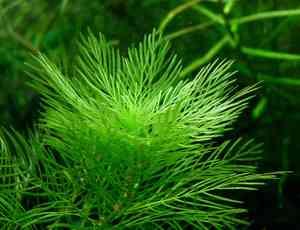
Paeonia ostii, a perennial species, thrives most effectively when relocated during the ideal window of early to mid-spring. Choose a bright, adequately drained spot to encourage peak development. Verify that the root system stays hydrated and manage the specimen gently.
What Preparations are Needed Before Transplanting Paeonia Ostii?
What is the Ideal Time for Transplanting Paeonia Ostii?
Paeonia ostii, a perennial plant, should ideally be moved in early to mid-spring. This timing ensures the plant benefits from mild temperatures and consistent rainfall, promoting quick root establishment and new growth. Transplanting during this period minimizes stress and enhances the plant's resilience and overall health.
How Much Space Should You Leave Between Paeonia Ostii Plants?
When transplanting paeonia ostii, ensure each plant has sufficient room! Aim for 3-4 feet (about 1-1.2 meters) between each one. This allows them space to grow and ensures good air circulation, which helps prevent diseases.
What is the Best Soil Mix for Paeonia Ostii Transplanting?
For paeonia ostii, choose well-draining soil that is rich in organic matter. A mix of loamy soil with compost works great. Before planting, amend the soil with a balanced base fertilizer, such as a 10-10-10 or similar, to encourage healthy growth.
Where Should You Relocate Your Paeonia Ostii?
Place paeonia ostii in a location where it receives full sun, ideally 6-8 hours a day. While it can tolerate some afternoon shade, bright sunlight will promote the best blooming and overall health for your plant.
What Equipments Should You Prepare Before Transplantation Paeonia Ostii?
Gardening Gloves
To protect your hands while working with the soil and plant.
Shovel or Spade
For digging around the plant and its new location.
Garden Fork
To loosen the soil around the plant.
Trowel
For more delicate digging around the roots.
Pruners
To trim any damaged or overgrown roots.
Watering Can or Hose
For watering the plant during and after the transplant.
How Do You Remove Paeonia Ostii from the Soil?
How Do You Remove Paeonia Ostii from the Soil?
From Ground: First, water the paeonia ostii plant to dampen the soil. Then, dig a wide trench around the plant using a shovel or spade, ensuring the plant's root ball remains intact. Carefully work the shovel under the root ball to lift the plant from its original location.From Pot: Begin by gently tapping the sides of the pot to loosen the soil. Turn the pot on its side and carefully slide the plant and its root ball out, supporting the plant as you do so. If the plant is stuck, you can use a trowel to carefully loosen the edges.From Seedling Tray: Water the seedlings well to help loosen them from the tray. Gently press the bottom of the seedling tray to pop out the plants, taking care to support the tender stems and roots. Use a trowel if necessary to help pry them loose.
Step-by-Step Guide for Transplanting Paeonia Ostii
Prepare the New Location
Clear the area of weeds and debris where you will transplant your paeonia ostii plant. Dig a hole that is twice as wide and just as deep as the plant's root ball.
Remove the Plant
Follow the steps from the relevant removal process (ground, pot, or seedling tray) to carefully extract the paeonia ostii plant from its original location.
Check and Trim the Roots
Examine the root ball for any damaged or overly long roots. Use pruners to trim these parts gently to encourage new growth.
Place the Plant in the Hole
Position the paeonia ostii plant in the center of the hole, making sure it sits at the same depth as it was in its original location. Backfill the hole with soil, firming it gently around the roots.
Water Thoroughly
Water the plant thoroughly after transplanting to ensure the soil settles properly around the roots. This helps eliminate air pockets and provides the necessary moisture.
How Do You Care For Paeonia Ostii After Transplanting?
Watering
Keep the soil around the paeonia ostii consistently moist, but not soggy, for the first few weeks after transplanting to help establish strong roots.
Mulching
Apply a layer of mulch around the base of the plant to help retain moisture and regulate soil temperature. Avoid placing mulch directly against the stem to prevent rot.
Staking
If the paeonia ostii plant is tall or top-heavy, consider staking it to provide additional support until it establishes firmly in the new location.
Monitoring
Regularly check the plant for signs of stress, such as wilting or yellowing leaves, and adjust care as needed. Look out for pests and diseases, and treat them promptly if they occur.
Troubleshooting Common Issues with Paeonia Ostii Transplantation.
When is the best time to transplant paeonia ostii?
Transplant paeonia ostii in early to mid-spring when the soil is workable for optimal results.
How much space should I leave between each paeonia ostii plant?
Ensure to plant paeonia ostii 3-4 feet (90-120 cm) apart to allow optimal growth.
What soil type is best for transplanting paeonia ostii?
Plant paeonia ostii in well-draining, fertile soil that's rich in organic matter for best growth.
How deep should I plant paeonia ostii during transplanting?
Plant paeonia ostii so its crown is level with the soil surface to prevent rot.
How to handle paeonia ostii's roots carefully during transplanting?
Gently tease out the roots without damaging them, ensuring they are spread out when planted.
Should I water paeonia ostii immediately after transplanting?
Yes, water paeonia ostii thoroughly right after transplanting to help settle the soil and reduce shock.
How can I minimize transplant shock for paeonia ostii?
Water frequently, avoid direct sunlight initially, and use mulch to retain moisture and reduce shock.
Is there a specific fertilizer required for newly transplanted paeonia ostii?
Use a balanced slow-release fertilizer to support paeonia ostii's root establishment and growth post-transplant.
Can I transplant paeonia ostii in the summer or fall?
It's best to avoid summer and fall transplanting for paeonia ostii; early to mid-spring is ideal.
How do I prepare the new site for paeonia ostii before transplanting?
Amend the soil with compost, ensure good drainage, and clear any weeds at the new site for paeonia ostii.



