How to Propagate Paeonia ostii?
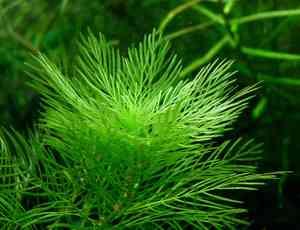
Paeonia ostii is a ligneous perennial recognized for its substantial, striking blossoms. The most efficient method for propagation involves division, where established clusters are divided and transplanted to stimulate fresh development. Verify that the separated sections possess viable roots and shoots to ensure successful integration. Cultivate in soil that drains effectively with sufficient sunlight, preserving moderate hydration levels to foster robust growth.
Optimal Period for Paeonia Ostii Propagation
Propagation Type
Division
Propagation Season
Spring,Autumn
Tools Required for Paeonia Ostii Propagation
Garden Spade
A garden spade is crucial for carefully excavating the mature paeonia ostii plant for division. Ensure the spade is sharp to minimize root trauma when lifting the plant from the soil.
Hand Trowel
A hand trowel is beneficial for making precise cuts and further dividing the plant if needed. Its compact size allows for accurate handling around the root structure.
Pruning Shears
Pruning shears are essential for trimming back the foliage and any damaged roots during the division process. Sharp, clean shears help prevent disease and ensure clean cuts.
Root Knife
A root knife is advantageous for cleanly slicing through tough or tangled roots during division. This tool ensures minimal disruption to each plant section, promoting quicker recovery and growth.
Planting Containers
Utilize planting containers for temporarily holding divided sections of paeonia ostii before replanting. Containers should have good drainage to prevent root rot during this interim period.
Watering Can with Fine Rose
A watering can with a fine rose helps provide gentle, even watering to the newly divided sections, reducing the risk of washing away soil and causing root disturbance.
Rooting Hormone
Applying rooting hormone to the cut sections can stimulate root growth and improve the chances of successful propagation. This is especially important for divisions to establish quickly.
Mulching Material
Organic mulch, such as straw or leaf mold, can be applied around the newly planted divisions to retain moisture, regulate soil temperature, and suppress weeds, all of which are crucial for establishment.
Method for Propagating Paeonia Ostii
Propagation Type
Easy
Post-Propagation Care for Paeonia Ostii
Post-Propagation Care for Paeonia Ostii
Following paeonia ostii propagation, consistent care is vital for successful growth. Keep the soil consistently moist, but not waterlogged, especially during the initial growing season. Apply a balanced fertilizer in early spring to encourage robust growth. Mulch around the base to retain moisture and regulate soil temperature. Monitor the plants for any signs of pests or diseases, and take appropriate action if needed. With proper care, paeonia ostii will establish well and continue to thrive in your garden.
Common Errors to Avoid When Propagating Paeonia Ostii
Overwatering
Excessive watering of paeonia ostii can lead to root rot, a fungal condition that can severely damage the plant's root system, impeding propagation success.
Incorrect Soil Composition
Using soil that lacks proper drainage, such as heavy clay, can suffocate the roots and prevent successful establishment.
Improper Cutting Technique
Taking cuttings with improper tools or methods can damage plant tissues, leading to poor rooting or disease introduction.
Neglecting Dormancy Considerations
Failing to respect the plant's natural dormancy period can result in weak or failed propagations, as the plant may not have the energy to develop new roots and shoots.
Inadequate Light
Placing seedlings or cuttings in insufficient light can lead to weak growth and poor root development, impacting survival and vitality.
Advice for Propagating Paeonia Ostii
Use Well-Draining Soil
Choose a soil mix that ensures proper drainage to prevent waterlogging and root rot.
Sterilize Cutting Tools
Always use sterilized tools to make clean cuts and reduce the risk of infection and disease.
Maintain Moderate Moisture
Water sparingly and ensure the medium stays moist but not soggy to support healthy root development.
Monitor Root Growth
Regularly check on the progress of roots, ensuring they are developing healthily without signs of rot or disease.
Provide Adequate Light
Place propagating plants in an area with bright, indirect light to help them establish strong growth.



