How to Prune Paeonia ostii?
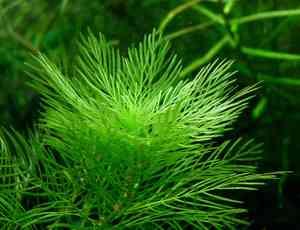
Paeonia ostii is distinguished by its abundant leaves and sizable, appealing blossoms. Trimming ought to occur in early spring or late winter to eliminate deceased or feeble stems, sculpt the plant, and foster robust flowering. It is crucial to sever the stem just above a bud to stimulate fresh development. Consistent pruning improves air movement and lowers the chance of illness, guaranteeing vivid flowers. Cultivators must employ sanitized, keen implements to avoid harming the plant.
Advantages of Trimming Paeonia Ostii
Advantages of Trimming Paeonia Ostii
Trimming paeonia ostii encourages robust development and maintains its form. It boosts blooming, manages size, and enhances appearance. Regular trimming deters pests and illnesses, leading to a healthier plant overall.
Optimal Period for Trimming Paeonia Ostii
Optimal Period for Trimming Paeonia Ostii
Trimming paeonia ostii in late winter or early spring is ideal as it coincides with the plant's dormant phase. During this time, paeonia ostii's growth is minimal, lessening the chance of harm and allowing for better recovery. Pruning before new growth begins in early spring ensures the plant can direct its energy to developing healthy, strong shoots and buds, resulting in more abundant flowering and overall plant vitality.
Tools Required for Trimming Paeonia Ostii
Hand Pruners (Secateurs)
Crucial for precise cuts on smaller stems and branches. Perfect for removing dead or damaged wood and shaping paeonia ostii.
Lopping Shears
Useful for cutting thicker branches that hand pruners cannot manage, ensuring clean cuts without harming the plant.
Pruning Saw
Essential for removing larger, woody branches. Provides clean cuts which aid faster healing for paeonia ostii.
Bypass Pruners
Preferred over anvil pruners as they create cleaner cuts, reducing the risk of crushing stems and branches of paeonia ostii.
Gloves
Protect hands from thorns and potential injuries while trimming paeonia ostii.
Disinfectant Solution
Crucial for sanitizing tools between cuts to prevent the spread of disease in paeonia ostii.
How to Trim Paeonia Ostii
Plant evaluation
Inspect paeonia ostii thoroughly to identify diseased or withered leaves. Note their locations and extent.
Clear surroundings
Ensure the area around paeonia ostii is clean and free from debris to allow clear access and prevent disease transmission.
Sanitize tools
Sterilize pruning shears with rubbing alcohol or a disinfectant to avoid spreading pathogens.
Remove diseased foliage
Carefully cut off all diseased leaves near their base, ensuring to remove the entire infected area without harming healthy parts.
Trim withered foliage
Trim withered leaves by cutting them at the point where healthy tissue begins, ensuring overall plant health and encouraging new growth.
Common Trimming Errors with Paeonia Ostii
Incorrect method
Using dull or dirty tools that can cause damage or spread disease instead of clean, sharp pruners.
Inappropriate timing
Trimming at the wrong time of year can hinder flowering and slow down growth.
Excessive trimming
Removing too much foliage can stress the plant and reduce its vigor.
Ignoring plant structure
Failing to consider the natural shape and growth habit of paeonia ostii, which can lead to an unbalanced and unattractive plant.
General Trimming Advice for Paeonia Ostii
Utilize clean tools
Always use sharp, clean pruning shears to make precise cuts and prevent the spread of disease.
Remove dead wood
Begin by removing any dead, damaged, or diseased wood to improve overall plant health.
Maintain natural shape
Trim to preserve paeonia ostii's natural form, avoiding drastic alterations to its inherent structure.
Limit foliage removal
When thinning out branches, remove no more than one-third of the total foliage to reduce stress.
Enhance air circulation
Ensure adequate spacing between branches to improve air circulation and reduce the risk of fungal diseases.



