How to Transplant Balsam groundsel?
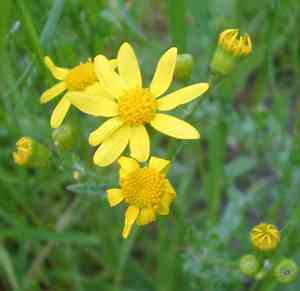
The ideal period for transplanting balsam groundsel extends from the revitalization of early spring into the onset of summer's heat, facilitating prime root development. Select a location receiving full sun to partial shade, making certain that damp, adequately draining earth assists in its adaptation.
What Preparations are Needed Before Transplanting Balsam Groundsel?
What is the Ideal Time for Transplanting Balsam Groundsel?
The perfect time to move balsam groundsel is as winter's cold recedes and spring's warmth arrives. This period, from early spring's awakening until summer's edge, ensures balsam groundsel settles comfortably in its new spot. Enjoying moderate temperatures and spring's gentle rains, balsam groundsel flourishes, with roots deepening to prepare for hotter months. Transplanting balsam groundsel then leverages the season's natural water, promoting root growth and lessening transplant shock. Embrace this time of renewal for balsam groundsel's vibrant future!
How Much Space Should You Leave Between Balsam Groundsel Plants?
For your balsam groundsel, aim for ample room! Position them roughly 12-18 inches (30-45 cm) apart. This provides each plant sufficient area to thrive and grow tall.
What is the Best Soil Mix for Balsam Groundsel Transplanting?
To establish a healthy base for your balsam groundsel, select well-draining, humus-rich soil. Before planting, incorporate a balanced, slow-release fertilizer to give your balsam groundsel a nourishing start.
Where Should You Relocate Your Balsam Groundsel?
Find a sunny or partially shaded location for your balsam groundsel. They love sunlight but also appreciate some relief from the day's heat. A spot with morning sun and afternoon shade is ideal!
What Equipments Should You Prepare Before Transplantation Balsam Groundsel?
Gardening Gloves
To safeguard your hands while handling soil and plants.
Trowel
For digging small holes or adjusting the size of the transplant opening.
Shovel or Spade
To efficiently excavate balsam groundsel while preserving its root ball.
Pruners or Scissors
To trim any dead or overly long roots prior to transplanting.
Watering Can or Hose
To hydrate balsam groundsel in both its original and new locations.
Wheelbarrow or Garden Cart
For moving balsam groundsel and any tools or soil amendments.
How Do You Remove Balsam Groundsel from the Soil?
How Do You Remove Balsam Groundsel from the Soil?
From Ground: Start by thoroughly watering balsam groundsel to soften the earth. Create a wide circle with your shovel or spade around the plant, maintaining a safe distance from the main root system to secure the root ball. Carefully, use the spade to lift the balsam groundsel from its original spot.From Pot: Ensure the soil is damp before beginning. Tilt the pot sideways and gently tap or shake it to loosen balsam groundsel and its soil. If needed, slide a trowel along the pot's inner edge to help ease the root ball out.From Seedling Tray: Water the soil to facilitate removal. Use a trowel or your fingers to gently lift balsam groundsel by pushing up from the tray's bottom, ensuring minimal root disturbance.
Step-by-Step Guide for Transplanting Balsam Groundsel
Contextual Adaptation
Understand the specific depth and spacing requirements of balsam groundsel to ensure its smooth transition to the new environment.
Excavation
Dig a hole in the ground large enough to accommodate balsam groundsel's root ball, with some extra room for expansion. Aim for a depth that allows balsam groundsel to sit at its previous growing level.
Positioning
Carefully place balsam groundsel in the center of the hole, adjusting its position to ensure it stands upright and level.
Filling-in
Gently backfill the hole with the excavated soil, tamping it down around balsam groundsel's roots to eliminate any air pockets that may have formed.
Watering
Thoroughly water balsam groundsel at its new location to settle the soil and hydrate the roots, aiding in recovery from transplant shock.
How Do You Care For Balsam Groundsel After Transplanting?
Monitoring
Regularly inspect balsam groundsel for signs of transplant shock, such as wilting or discolored leaves, and respond carefully to alleviate stress.
Mulching
Apply a layer of mulch around balsam groundsel's base to retain soil moisture and regulate temperature, keeping it away from the stem to prevent rot.
Supporting
If balsam groundsel shows signs of weakness or instability, use stakes or ties to provide necessary support until it establishes itself.
Supplemental Watering
Continue to provide balsam groundsel with consistent watering during its establishment period, allowing the soil surface to dry slightly between waterings.
Troubleshooting Common Issues with Balsam Groundsel Transplantation.
What's the best time to transplant balsam groundsel?
Optimal transplanting occurs in early to late spring when temperatures are mild.
How much space do I need between balsam groundsel plants?
Allow approximately 12 to 18 inches (30 to 46 cm) between each balsam groundsel for proper growth.
Why is my balsam groundsel wilting after transplanting?
Wilting may be due to transplant shock. Keep the soil moist and avoid direct sun initially.
How deep should I plant balsam groundsel's roots in the soil?
Roots should be planted at their previous growing depth, neither deeper nor shallower.
What kind of soil is best for transplanting balsam groundsel?
Use well-drained soil, rich in organic matter for optimal health of your balsam groundsel.
Is it necessary to prune balsam groundsel when transplanting?
Light pruning can help reduce transplant shock, but avoid extensive pruning immediately.
How can I tell if my balsam groundsel has enough water after transplanting?
Soil should be moist but not waterlogged. Check by feeling soil 2 inches (5 cm) below surface.
Can I use fertilizer when transplanting balsam groundsel?
Fertilizer can be beneficial, but wait 2-3 weeks after transplanting to avoid root burn.
Should I transplant balsam groundsel on a sunny or cloudy day?
Cloudy days are best for transplanting to minimize stress from direct sunlight.
How to protect balsam groundsel from pests after transplanting?
Monitor balsam groundsel for pests and use appropriate organic pesticides when necessary.



