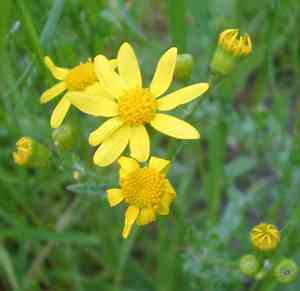
Balsam groundsel (Packera paupercula)
Also known as: Savanna balsam groundsel
Balsam groundsel (Packera paupercula) is a versatile wildflower with varying bloom times based on its location. In warmer regions, it typically flowers in late spring, while in northern areas, the blooming period can extend into midsummer. It's sometimes cultivated for its appealing daisy-like blossoms, although it's important to note that the leaves are toxic upon contact or ingestion.
In This Article
Attributes of Balsam groundsel
Lifespan
Perennial
Plant Type
Herb
Plant Height
15 cm to 46 cm
Spread
10-20 cm
Leaf Color
Green Blue
Flower Size
1-2.5 cm
Flower Color
Yellow Orange
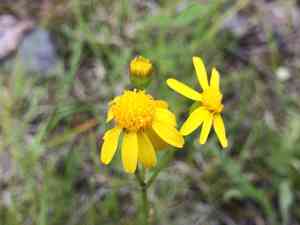
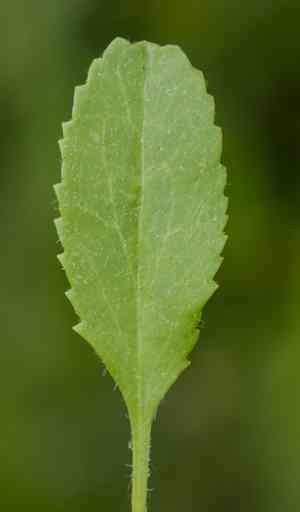
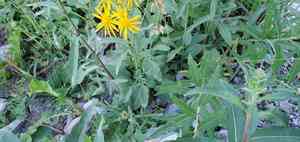
Images of Balsam groundsel
Quickly Identify Balsam groundsel
1
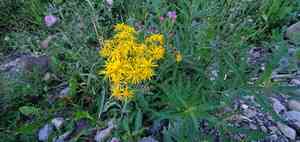
This plant can be identified by its bright yellow, daisy-like flowers, which bloom in clusters. It has deeply lobed, basal leaves, and its stems are often reddish and hairy. The flowers typically bloom from late spring to early summer.
Scientific Classification of Balsam groundsel
Phylum
Vascular plants
Class
Dicotyledons
Order
Asterales
Family
Daisy
Genus
Packera
Species
Balsam groundsel
Planting and Growing of Balsam groundsel
Care Difficulty
Easy
Watering Schedule
Every 2 days
Sunlight Requirements
Full sun
Sunshine Duration
6-8 hours
Ideal Temperature
60-70℉
Soil Type
Potting Mix, Peat Mix
Soil pH
5.5-7.5
Fertilizer Type
Balanced
Pruning Season
Spring, Summer
Pruning Area
Branches, Leaves
Pruning Frequency
2 times a year
Repotting Season
Spring
Pot Type
Plastic, Ceramic
 How to Water Balsam groundsel?
Packera paupercula prefers moderate watering. Ensure that the soil is consistently moist but not waterlogged. A single deep watering of about 500 ml should suffice to reach the roots, allowing the soil to absorb the moisture effectively, following which excess should drain out. The goal is to maintain sustained moisture without drowning the roots, as excessive water can lead to root rot.
What are the symptoms of an underwatered Balsam groundsel?
›
What should I do if my Balsam groundsel is not getting enough water?
›
What are the symptoms of an overwatered Balsam groundsel?
›
How to save an overwatered Balsam groundsel?
›
 What Are the Sunlight Requirements for Balsam groundsel?
Packera paupercula thrives best in partial to full sun conditions, where it enjoys a balance of morning light and some afternoon shade. Ideal light ensures healthy blooms and robust foliage structure.
More About Sunlight Requirements Techniques→
What is the best location for sunlight?
›
How to ensure optimal sunlight?
›
What benefits does ideal sunlight provide?
›
 What Is the Ideal Temperature Range for Balsam groundsel?
For optimal growth, Packera paupercula ideally thrives in temperatures between 60 and 70°F. This range allows for proper physiological processes and helps the plant maintain healthy growth patterns. Maintaining this temperature also maximizes photosynthesis efficiency.
 What Soil is Best for Balsam groundsel?
Packera paupercula thrives in well-drained soil environments. This requirement ensures the roots are not waterlogged, which can lead to root rot and other diseases. Well-drained soil allows for adequate air circulation, promoting healthy root development and robust plant growth. This plant prefers soils that are rich in nutrients, which support its vibrant foliage and flowering. A nutrient-rich environment provides essential minerals and elements that enhance the plant's natural defenses and increase resilience against pests and diseases. Adding organic matter is highly beneficial for Packera paupercula. It improves soil structure, increases water retention capacity, and supplies essential nutrients over time. Incorporating organic compost or leaf mold can boost the plant's growth and vitality.
 How to Fertilize Balsam groundsel?
For Packera paupercula, the ideal amount of fertilizer should be moderate. Use a balanced, water-soluble liquid fertilizer at half the recommended strength. This ensures that the plant receives essential nutrients without overwhelming its root system.
 How to Prune Balsam groundsel?
Begin by removing any dead, damaged, or diseased stems. This not only improves the plant's appearance but also reduces the risk of disease spread. Cut back to a point where the stem looks healthy, ideally just above a node or a set of healthy leaves. Pruning is a great way to maintain the shape of your Packera paupercula. Trim back overgrown branches to encourage a more compact form. This helps in maintaining a neat appearance and avoids the plant becoming too leggy. Lightly prune the top growth to encourage bushier foliage. Target shoots that cross over each other, as removing these can reduce crowding. This makes room for sunlight to penetrate deep into the plant, promoting more even growth.
More About Pruning Techniques→
 How to Propagate Balsam groundsel plant?
1
Harvest seeds from mature Packera paupercula plants as the flowers fade and seed pods dry. Be sure to gather seeds when they are completely dry to ensure their viability and longevity.
2
For division propagation, prepare a fertile and well-draining soil mix. Loosen the soil and enrich it with organic matter. This promotes healthy root growth and establishment when the divided plants are replanted.
3
Sow seeds in the prepared seed tray, lightly covering them with soil. Maintain consistent moisture levels and keep the tray in a warm, light-filled area to encourage germination and healthy seedling development.
 How to Repot Balsam groundsel plant?
1
Repot Packera paupercula when you notice its roots clog the drainage holes or if growth has stunted. Excessive water sitting in the pot, or soil that dries out very quickly, are also signs that it's time to upgrade to a larger container or freshen its soil.
2
Pick a pot that is one size larger with good drainage holes. A pot too large can retain excess moisture, leading to root rot, while a pot too small restricts root growth. Terracotta pots are perfect as they allow moisture to evaporate, maintaining ideal moisture levels.
3
Opt for a well-draining, sandy loam soil. This type of soil ensures that the roots can breathe and discourages the development of fungal diseases. It retains enough moisture for the plant without making the roots soggy, promoting healthy growth.
Toxicity
Ingestion
WARNING
The judgment on toxicity and danger is for reference only. We DO NOT GUARANTEE any accuracy of such judgment. Therefore, you SHALL NOT rely on such judgment. It is IMPORTANT TO SEEK PROFESSIONAL ADVICE in advance when necessary.
Learn More About Balsam groundsel Diseases
Anthracnose
Bacterial Leaf Spot
Bacterial Soft Rot
Bacterial Wilt
Chemical Injury
Crown Gall
Cyst Nematode
Damping-off
Downy Mildew
Drought Stress
Fusarium Wilt
Gray Mold
Leaf Spot
Mosaic
Nutrient Deficiency
Nutrient Toxicity
Powdery Mildew
Root Rot
Root-knot Nematode
Rusts
Sooty Mold
Spider Mites
Temperature Stress
Thrips Damage
White Mold



