How to Prune Balsam groundsel?
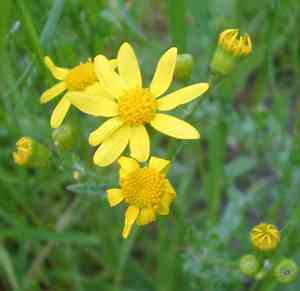
A perennial plant that thrives in damp, adequately drained earth, balsam groundsel benefits from the removal of spent blossoms to encourage ongoing flowering. The most effective time for trimming is in the spring and summer following its bloom, by snipping off faded flowers. This method fosters a more compact development and potentially a subsequent flowering period, while also deterring unwanted self-propagation. Strategic trimming preserves balsam groundsel's form and vitality, and curtails its expansion in garden spaces where restricted growth is desired.
Advantages of Trimming Balsam Groundsel
Advantages of Trimming Balsam Groundsel
Trimming balsam groundsel promotes vigorous development by eliminating faded flowers and overgrown stems, preserving its compact form and preventing it from becoming leggy or sprawling.
Optimal Period for Trimming Balsam Groundsel
Optimal Period for Trimming Balsam Groundsel
Trimming balsam groundsel in spring enables the plant to direct energy towards new growth after old or dead tissue is removed. Early summer trimming helps maintain shape and health before the plant enters a period of reduced growth in late summer and fall. These seasons avoid disrupting balsam groundsel's flowering cycle and allow the plant to recover before winter arrives.
Essential Tools for Trimming Balsam Groundsel
Hand Pruners
Perfect for making precise cuts on the soft stems of balsam groundsel, fostering healthy growth and maintaining the desired form.
Pruning Shears
Suitable for cutting back dead or overgrown sections on balsam groundsel, ensuring the plant remains robust and well-kept.
Gardening Gloves
Offer hand protection when handling balsam groundsel, preventing any potential irritation from its sap or foliage.
How to Trim Balsam Groundsel
Sanitize tools
Before beginning, ensure all trimming tools are clean and sterilized to prevent the spread of disease to balsam groundsel.
Remove diseased foliage
Carefully snip off balsam groundsel's diseased leaves at their base, using sharp scissors or pruning shears, to prevent further infection.
Trim withered foliage
Identify and cut away any withered leaves from balsam groundsel to encourage healthy growth and improve air circulation.
Prune diseased branches
For balsam groundsel, remove any branches showing signs of disease by making a clean cut above a healthy leaf node or set of leaves.
Dispose of waste
Safely dispose of all removed material from balsam groundsel by burning or binning them to prevent disease spread. Do not compost diseased plant parts.
Common Trimming Errors with Balsam Groundsel
Excessive trimming
Removing too much foliage at once can shock balsam groundsel, leading to weakened growth and reduced vitality.
Cutting into old wood
Trimming too far back into old, non-productive wood may prevent balsam groundsel from producing new shoots, as it may not regenerate well from old growth.
Shearing
Using shearing techniques creates an unnatural shape and can encourage diseases by creating dense foliage where air circulation is poor.
Uneven cuts
Making uneven or jagged cuts can lead to disease and pest infestation, as balsam groundsel heals better from clean, sharp cuts.
Dull tools
Using dull tools can damage stems and branches, leaving balsam groundsel vulnerable to infection.
Neglecting sanitation
Failing to sanitize tools between cuts and plants can spread disease among balsam groundsel, and to other plants in the garden.
General Trimming Advice for Balsam Groundsel
Sharp clean tools
Always use sharp, sanitized tools to make clean cuts, which helps promote quick healing for balsam groundsel.
Light trimming
Engage in light trimming only, to maintain the natural shape and encourage bushier, more floriferous growth without stressing balsam groundsel.
Snipping spent blossoms
Deadhead or snip off spent blossoms regularly to encourage balsam groundsel to produce more flowers and prevent self-seeding if not desired.
Thinning
Thin out dense areas to increase air circulation, which can minimize the risk of fungal diseases in balsam groundsel.
Cut to healthy wood
When removing damaged or diseased stems, cut back to just above a set of leaves on healthy wood to ensure balsam groundsel can recover properly.
Maintain natural shape
Trim in a way that maintains the natural habit of balsam groundsel, allowing for a more attractive plant and healthier growth.



