How to Transplant Purple woodsorrel?
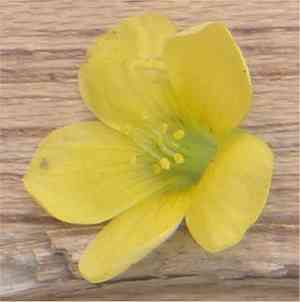
With the gradual increase in daily temperatures, the ideal period for relocating purple woodsorrel arrives. Choose a brightly lit location featuring soil that drains effectively. Helpful advice: Guarantee minimal disruption to the roots for a successful establishment.
What Preparations are Needed Before Transplanting Purple Woodsorrel?
What is the Ideal Time for Transplanting Purple Woodsorrel?
The perfect time for moving purple woodsorrel is undeniably the middle of spring. This period is optimal, as it grants purple woodsorrel sufficient time to establish roots in the warming ground, guaranteeing a vigorous growth season ahead. By selecting this moment for your transplanting efforts, you're giving purple woodsorrel the best chance to flourish, utilizing the mild weather to lessen transplant shock and promote vitality.
How Much Space Should You Leave Between Purple Woodsorrel Plants?
When relocating purple woodsorrel, maintain a distance of approximately 0.5-1 feet (about 15-30 cm) between each plant. This not only provides individual space but also aids in fostering healthy, lush growth. Remember, correct spacing is vital to prevent overcrowding!
What is the Best Soil Mix for Purple Woodsorrel Transplanting?
Soil preparation is essential! Purple woodsorrel thrives in well-drained soil, abundant in organic material. Before planting, incorporate a slow-release base fertilizer to supply crucial nutrients. Mix it into the top layer of soil for improved absorption. Gardening can be enjoyable and fulfilling, don't you agree?
Where Should You Relocate Your Purple Woodsorrel?
Sunlight is key! Purple woodsorrel favors partial to full sun, so choose a spot that receives 6-8 hours of light daily. Insufficient sunlight might lead to less robust growth. But don't worry, with careful attention, your purple woodsorrel will thrive!
What Equipments Should You Prepare Before Transplantation Purple Woodsorrel?
Gardening Gloves
These are crucial for protecting your hands from cuts and scrapes while handling soil and plants.
Trowel
This tool will be useful for digging small holes and shifting minor amounts of soil.
Digging Spade
To be utilized for extracting the plant from its original spot and for excavating the new hole in the ground where the purple woodsorrel plant will be replanted.
Garden Hose or Watering Can
Needed to moisten the soil both prior to and following the transplanting procedure.
Mulch
This can be applied to offer an additional layer of defense for the purple woodsorrel plant once it has been moved.
How Do You Remove Purple Woodsorrel from the Soil?
How Do You Remove Purple Woodsorrel from the Soil?
From Ground: Begin by lightly watering the purple woodsorrel plant to dampen the soil, which will facilitate easier removal without harming the roots. After adequate watering, use the spade to gently dig around the root area, being careful not to cut into the root ball. Once you've dug deep enough to encompass the root ball, carefully slide the spade underneath it and gently lift the plant from the ground.From Pot: Water your purple woodsorrel plant thoroughly a few hours before relocation. When ready, tilt the pot sideways and gently tap the bottom to ease the plant and root ball out. Completely avoid pulling the plant as this could damage the roots.Seedling Tray: Moisten the soil in the seedling tray beforehand. Then, delicately lift the purple woodsorrel seedling by gently holding its leaves, not the stem or roots. Push up from the tray's bottom and slowly extract the seedling, ensuring the root ball remains intact.
Step-by-Step Guide for Transplanting Purple Woodsorrel
Preparation
Before transplanting, thoroughly water the purple woodsorrel plant. This makes the roots resilient and prepared for the relocation process.
Plant Removal
Follow the instructions outlined in the removal process. Maintain a gentle hold when handling the plant to ensure the stem and roots are not harmed.
Hole Preparation
Dig a hole where you intend to replant the purple woodsorrel plant. The hole should be twice the width of the root ball and equally deep.
Placing the Plant
Delicately position the purple woodsorrel plant in the hole, ensuring the top of the root ball is level with the ground surface. Refill the hole with soil, gently tamping as you fill to eliminate any air pockets.
Watering and Mulching
After the transplant, water thoroughly and cover the surface with mulch to help retain moisture and protect the plant.
How Do You Care For Purple Woodsorrel After Transplanting?
Watering Routine
Initially after transplanting, give the purple woodsorrel plant a good drenching and continue to water it regularly, once daily for the first week. Subsequently, it can be watered less often, depending on the weather.
Root Growth
It is important for the purple woodsorrel plant's roots to establish in its new environment, so avoid unnecessary movement of the plant.
Monitor Health
Keep a close watch on the plant's health. Signs of stress such as wilting or loss of color might indicate transplant shock. Don't be discouraged, as this is common. Continue to provide good care, and your purple woodsorrel plant should recover in due course.
Troubleshooting Common Issues with Purple Woodsorrel Transplantation.
What's the best season to transplant purple woodsorrel?
The optimal period falls in season S2. This would provide purple woodsorrel with ideal conditions for growth and survival.
What distance should be maintained when transplanting purple woodsorrel?
It's best to maintain a distance of about 0.5 to 1 feet (around 15 to 30 cm). This would ensure that each purple woodsorrel plant has sufficient space to grow.
How would I know if purple woodsorrel is ready for transplanting?
Purple woodsorrel is ready for transplant when it has developed several mature leaves and if it's grown in a pot, has started to appear pot-bound or outgrown its current surroundings.
Trouble shooting tips when purple woodsorrel's leaves are yellowing after transplant?
Yellowing leaves might indicate overwatering or nutrient deficiency. Reduce watering, ensure proper drainage, and add organic compost for nourishment.
Why are my transplanted purple woodsorrels wilting?
Wilting can be a result of transplant shock. Keep soil consistently moist but not waterlogged, provide shade for the initial few days, and ensure it's not excessively windy.
What should I do if my transplanted purple woodsorrels are not growing?
Ensure compacted or poor soil is not hindering root growth. Amend the soil with compost to improve texture and supply essential nutrients.
How can I ensure roots of purple woodsorrel get established after transplant?
Water purple woodsorrel moderately to keep the roots consistently moist but not saturated. This will encourage roots to extend into the surrounding soil.
What kind of soil does purple woodsorrel prefer during transplant?
Purple woodsorrel prefers well-drained soil that is rich in organic matter. A layer of compost on the surface can be very beneficial.
How to deal with pests after transplanting purple woodsorrel?
Keep an eye out for pests. If found, treat the plant with organic insecticidal soap or introduce natural predators like ladybugs to the area.
What steps can I take to prevent transplant shock in purple woodsorrel?
Minimize root exposure during the transplant, water well after planting, and provide ample shade for the first few days to allow the plant to acclimate.



