Enhancing Your Garden Design with the Purple woodsorrel Plant: A Landscaping Guide
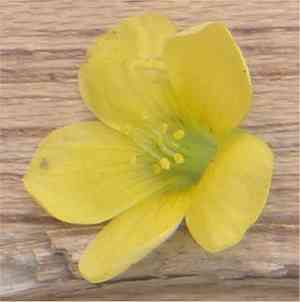
1
Purple woodsorrel adds beauty to gardens through its vivid leaves.
2
Purple woodsorrel flourishes in soil that drains well and favors partial sun exposure.
3
Consistent care is essential for maintaining Purple woodsorrel's health and vigor.
Understanding the Role of Purple woodsorrel in Landscaping
Enhancing aesthetic appeal with Purple woodsorrel
Incorporating Purple woodsorrel into your home's outdoor design can significantly boost your garden's visual charm. Its distinct leaf color and texture offer a striking contrast to other plants, making it a central feature in any landscape plan. Whether placed in a flower bed, border, or container, Purple woodsorrel adds a touch of sophistication and vibrancy that draws attention and admiration.
Creating eco-friendly gardens using Purple woodsorrel
Purple woodsorrel is not only visually appealing but also an excellent choice for sustainable gardening. It demands relatively little water and upkeep compared to other decorative plants, fostering an environmentally friendly garden. Furthermore, Purple woodsorrel can attract beneficial insects like bees, encouraging pollination and biodiversity in your garden.
Key considerations in landscape designing with Purple woodsorrel
When planning to integrate Purple woodsorrel into your landscape, consider its growth patterns, mature dimensions, and compatibility with other plants. It's crucial to ensure that Purple woodsorrel complements rather than dominates your existing garden elements. Design your garden layout to provide ample room for Purple woodsorrel to flourish without overcrowding, which could hinder its development and visual impact.
Choosing the Perfect Location for Purple woodsorrel
Sunlight Needs: Finding optimal exposure
Purple woodsorrel requires a balanced amount of sunlight to thrive. It performs best in conditions ranging from partial shade to full sun, meaning you should find a spot in your garden that receives both. Morning sun with afternoon shade is ideal, allowing the plant to benefit from sunlight without being scorched by intense midday rays.
Soil Preferences: Best soil types for Purple woodsorrel
Soil quality is crucial for Purple woodsorrel's health. It flourishes in well-drained soil rich in organic matter. If your garden has heavy clay soil, consider amending it with compost or organic material to improve drainage and nutrient content. Avoid waterlogged areas, as poor drainage can lead to root rot and other plant diseases.
Spacing and Placement Strategies
Correct spacing is vital when planting Purple woodsorrel. Ensure sufficient room for air circulation, which helps prevent fungal diseases. A spacing of approximately 6-12 inches between plants is generally advised, though this can vary based on the specific Purple woodsorrel variety and your overall garden design. Positioning Purple woodsorrel in the foreground of garden beds or along walkway edges can highlight its beauty and maximize its visual appeal.
Incorporating Purple woodsorrel into Your Current Landscape
Complementing plants that pair well with Purple woodsorrel
To cultivate a harmonious garden, combine Purple woodsorrel with plants that possess complementary colors and growth habits. Consider pairing it with evergreen shrubs, vibrant annuals, or other perennial ground covers. The key is to ensure that companion plants thrive under similar growing conditions and do not excessively compete for resources.
Design Tips: Harmonizing with existing elements
Integrate Purple woodsorrel by aligning its aesthetic with your garden's current features. Use it to fill empty spaces in flower beds, add bursts of color to dull areas, or as a border to define garden boundaries. Be mindful of color schemes and textures in your gardenâPurple woodsorrel's distinctive appearance can either serve as a focal point or blend seamlessly, depending on your design preference.
Seasonal considerations for Purple woodsorrel
Consider Purple woodsorrel's seasonal behavior when planning your landscape. Some varieties may become dormant in winter, so planning for year-round interest is essential. Complement Purple woodsorrel with plants that bloom or display their best features in different seasons to ensure your garden remains attractive throughout the year. Additionally, protect Purple woodsorrel from frost and extreme weather conditions by using mulch or other protective measures.
Long-term Maintenance Tips for Purple woodsorrel
Routine upkeep and seasonal care
Regular care is crucial for maintaining Purple woodsorrel's health. Consistent watering, especially during dry spells, and fertilizing with a balanced garden fertilizer can encourage vigorous growth. Monitor for pests and diseases, and take prompt action to address any issues. Seasonal care, such as mulching in winter and pruning dead or damaged foliage, helps Purple woodsorrel endure adverse conditions.
Managing growth: Trimming and control
Managing Purple woodsorrel's growth involves regular trimming and controlling its spread. Prune it to shape and remove any overgrown or unhealthy parts. If Purple woodsorrel begins to encroach on other plants or garden areas, take steps to control its spread, such as using root barriers or selective thinning. Proper management ensures that Purple woodsorrel remains an attractive and well-behaved component of your landscape.
Dealing with common landscape challenges
Typical challenges when cultivating Purple woodsorrel include managing pests, diseases, and unfavorable weather. Regularly inspect the plant for any signs of problems and address them quickly. Employ natural remedies, such as neem oil for pests or fungicidal sprays for infections, to keep Purple woodsorrel disease-free. Preparing your garden for seasonal changes, like using frost covers in winter, can lessen the impact of extreme weather.



