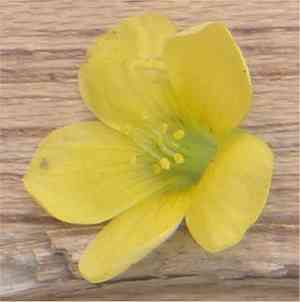
Purple woodsorrel (Oxalis purpurea)
Also known as: Purple Woodsorrel, Bermuda Buttercup
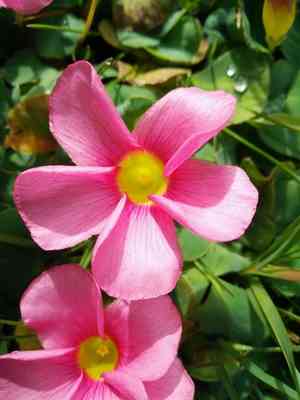
Purple woodsorrel (*Oxalis purpurea*) is a low-growing perennial, typically reaching no more than 8 cm in height. This plant is an excellent ground cover, featuring heart-shaped leaves and charming funnel-shaped flowers that range from pinkish purple to creamy white with yellow centers. The blooms are attractive to bees and butterflies. Purple woodsorrel thrives in full sun to partial shade and prefers dry, sandy soil.
In This Article
Attributes of Purple woodsorrel
Lifespan
Perennial
Plant Type
Herb
Plant Height
8 cm to 15 cm
Spread
8 cm to 15 cm
Leaf Color
Purple, Dark Green
Flower Size
3 cm to 4 cm
Flower Color
White Yellow Purple Pink Green Red
Images of Purple woodsorrel
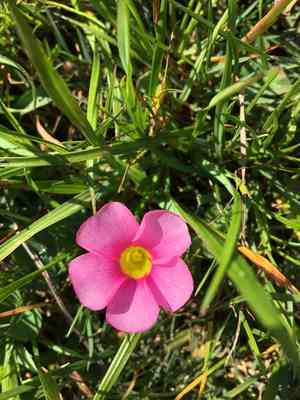
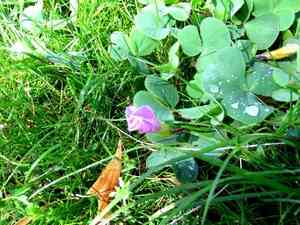
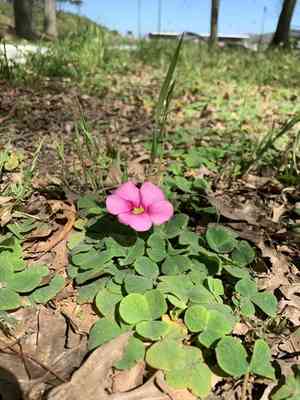
Quickly Identify Purple woodsorrel
1
To identify Oxalis purpurea, look for its distinctive trifoliate purple leaves, which are clover-like in shape. During the bloom period, the plant produces bright yellow, five-petaled flowers that contrast beautifully with its dark foliage.
Scientific Classification of Purple woodsorrel
Phylum
Vascular plants
Class
Dicotyledons
Order
Oxalidales
Family
Wood sorrel
Genus
Wood sorrels
Species
Purple woodsorrel
Planting and Growing of Purple woodsorrel
Care Difficulty
Easy
Watering Schedule
Every 4 days
Sunlight Requirements
Full sun
Sunshine Duration
6-10 hours
Ideal Temperature
60-75℉
Soil Type
Potting Mix, Peat Mix
Soil pH
6.5-7.5
Fertilizer Type
Balanced
Pruning Season
Spring, Summer
Pruning Area
Branches, Leaves
Pruning Frequency
2 times a year
Repotting Season
Spring
Pot Type
Plastic, Ceramic
 How to Water Purple woodsorrel?
When watering Oxalis purpurea, aim for around 150 milliliters per session. Ensure the soil is evenly moist but not waterlogged. The key is to keep the soil consistently moist, allowing the top layer to dry out slightly between waterings.
What are the symptoms of an underwatered Purple woodsorrel?
›
What should I do if my Purple woodsorrel is not getting enough water?
›
What are the symptoms of an overwatered Purple woodsorrel?
›
How to save an overwatered Purple woodsorrel?
›
 What Are the Sunlight Requirements for Purple woodsorrel?
Oxalis purpurea prefers partial to full sun exposure. Providing this range of light encourages optimal growth and stability, supporting the plant's natural development and blooming potential.
More About Sunlight Requirements Techniques→
What is the ideal light for Oxalis purpurea?
›
How can you achieve this ideal lighting condition?
›
What benefits does ideal lighting provide for Oxalis purpurea?
›
 What Is the Ideal Temperature Range for Purple woodsorrel?
The ideal temperature range for Oxalis purpurea is between 60°F and 75°F. These temperatures support optimal growth and ensure that the plant's metabolic processes occur smoothly. Maintaining this range helps maximize flowering and leaf development, promoting a healthy and vibrant plant.
 What Soil is Best for Purple woodsorrel?
Oxalis purpurea thrives in well-drained soil, which enables the roots to breathe and access necessary oxygen. This reduces the risk of root rot and other diseases, supporting healthy growth. The plant requires soil with moderate fertility to ensure it receives enough nutrients for vibrant foliage and blooming. Balancing nutrients is essential for maintaining plant health without over-fertilization. Soil that retains moisture yet doesn’t become waterlogged is vital for Oxalis purpurea. Consistent moisture supports lush growth and vibrant foliage without drowning the roots.
 How to Fertilize Purple woodsorrel?
For Oxalis purpurea, use a balanced fertilizer diluted to half the strength recommended on the package. This ensures that the plant receives adequate nutrients without the risk of over-fertilization, which could damage the delicate roots.
 How to Prune Purple woodsorrel?
Start by inspecting your Oxalis purpurea to identify parts that need removal. Look for brown, withered stems or any excessively long, leggy growth that disrupts the plant's compact form. These are your primary targets for pruning to keep the plant healthy and visually appealing. When you find parts to remove, make your cuts at the base of the plant. This promotes cleaner regrowth and helps direct the plant's energy towards healthier parts, ensuring a bushier, more robust appearance as the plant recovers and continues to grow. Pinch back tips of the plant gently to promote bushier growth. This practice encourages your Oxalis to sprout new shoots at the base, rather than elongating, which maintains a denser, more attractive form throughout the growing season.
More About Pruning Techniques→
 How to Propagate Purple woodsorrel plant?
1
Begin by carefully digging around Oxalis purpurea bulbs, loosening the soil, and gently lifting them from the ground, ensuring not to damage the roots.
2
Separate the bulbs gently by hand, ensuring each division has a healthy set of roots, and remove any damaged or decaying sections with clean shears.
3
Replant each bulb division in well-draining soil, placing them at the same depth they were previously growing, and water lightly to settle the soil.
 How to Repot Purple woodsorrel plant?
1
Oxalis purpurea typically shows signs that indicate it’s time for repotting. If you notice roots growing through the drainage holes or the soil drying out quickly after watering, it’s likely time to consider providing your plant with a bit more room to grow. Repotting is best done when the plant is actively growing.
2
Select a pot that is just slightly larger than the current one, ideally 1-2 inches wider in diameter. This ensures your Oxalis purpurea will not have excessive space which might lead to root rot. A pot with good drainage is crucial to prevent waterlogging.
3
Opt for a well-draining potting mix. A combination of standard potting soil with added perlite or sand will suffice. This ensures adequate aeration in the soil which helps keep the roots healthy and prevents any potential for overwatering issues.
Toxicity
Ingestion
WARNING
The judgment on toxicity and danger is for reference only. We DO NOT GUARANTEE any accuracy of such judgment. Therefore, you SHALL NOT rely on such judgment. It is IMPORTANT TO SEEK PROFESSIONAL ADVICE in advance when necessary.
Learn More About Purple woodsorrel Diseases
Anthracnose
Bacterial Leaf Spot
Bacterial Soft Rot
Bacterial Wilt
Black Spot
Chemical Injury
Crown Gall
Cyst Nematode
Damping-off
Downy Mildew
Drought Stress
Fusarium Wilt
Gray Mold
Leaf Curl
Leaf Spot
Mosaic
Nutrient Deficiency
Nutrient Toxicity
Powdery Mildew
Root Rot
Root-knot Nematode
Rusts
Sooty Mold
Spider Mites
Temperature Stress
Thrips Damage
White Mold



