How to Prune Purple woodsorrel?
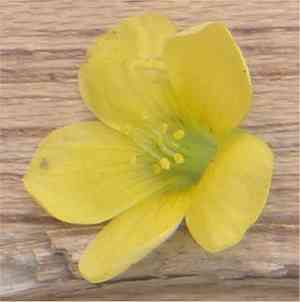
A perennial with a bulbous base, purple woodsorrel is distinguished by its clover-like foliage and vivid blossoms. Trimming should concentrate on eliminating spent flowers and compromised leaves to stimulate fresh development, utilizing sanitized shears for precise incisions. Optimally, conduct minor trimming during spring, summer, and autumn to uphold the plant's vitality and aesthetic. Pruning benefits purple woodsorrel by fostering a compact, bushy shape and hindering seed dissemination, which could result in aggressive spreading. Take care to disturb the bulbs as little as possible when trimming.
What Are the Benefits of Pruning Purple Woodsorrel?
What Are the Benefits of Pruning Purple Woodsorrel?
Trimming purple woodsorrel promotes abundant flowering, stimulates vigorous development, and preserves its compact form, aligning with optimal horticultural practices for plant health and beauty.
What Is the Best Time for Pruning Purple Woodsorrel?
What Is the Best Time for Pruning Purple Woodsorrel?
Spring pruning allows purple woodsorrel to recover swiftly during its active growth phase, fostering denser foliage and healthier development. Early Fall pruning should occur post-flowering but pre-dormancy to prepare purple woodsorrel for winter, removing spent blooms and shaping the plant without negatively impacting next season's growth.
What Tools Do I Need to Prune Purple Woodsorrel?
Bypass Pruners
Perfect for clean cuts on the delicate stems of purple woodsorrel, bypass pruners inflict minimal damage to plant tissues, encouraging healthier regrowth.
Gardening Shears
Useful for shaping purple woodsorrel and trimming larger sections of overgrowth without causing undue stress to the plant.
Fine-tipped Scissors
Excellent for precise snips, especially for deadheading or removing small, fragile parts of purple woodsorrel.
How to Prune Purple Woodsorrel
Disinfect Tools
Before trimming purple woodsorrel, ensure all pruning tools are sanitized using either rubbing alcohol or a bleach solution to prevent disease spread.
Diseased Leaves
Carefully inspect purple woodsorrel for any diseased leaves. Using your disinfected pruning shears, snip the leaves off at their base where they meet the stem. Be careful not to harm healthy tissue.
Withered Leaves
Identify withered leaves that appear dry and brown. Trim these leaves from purple woodsorrel at their base to encourage healthy growth and improve air circulation.
Withered Flowers
To maintain the appearance and promote further blooming on purple woodsorrel, deadhead withered flowers. Pinch these off just below the flower head with your fingers or snip with pruning shears.
Cleanup
After trimming, collect and dispose of all removed material from purple woodsorrel to prevent potential fungal growth or pest infestation in the garden.
Common Pruning Mistakes with Purple Woodsorrel
Overpruning
Beginner gardeners might tend to cut back purple woodsorrel too much, which can harm the plant. Purple woodsorrel stores energy in its bulbs, and excessive pruning can deplete its resources.
Using Dull Tools
Trimming purple woodsorrel with dull or dirty shears can cause jagged cuts that are more prone to disease and may damage the plant's structure.
Neglecting Dead Diseased Material
Not removing dead or diseased foliage can impede purple woodsorrel's growth. Such material can drain energy from the plant and should be pruned to maintain health.
Ignoring Plant Shape
Purple woodsorrel should be pruned while considering its natural shape. Random cuts can lead to an unattractive appearance and may hinder its growth pattern.
Common Pruning Tips for Purple Woodsorrel
Sharp Clean Tools
Always use sharp, clean pruning shears or scissors. This ensures clean cuts that heal quickly, reducing the risk of disease entry.
Focusing On Deads Diseased Rubbery
Target dead, diseased, or rubbery stems for pruning. This encourages the growth of healthy new shoots and a more vibrant display of flowers on purple woodsorrel.
Post-Bloom Pruning
After purple woodsorrel has flowered, prune spent blooms to promote a second blooming cycle and to prevent the plant from putting energy into seed production if that isn't desired.
Maintain Plant Structure
Prune purple woodsorrel by following its natural growth habit. This technique maintains the plant's shape and encourages robust growth without stressing the plant.



