How to Transplant drooping star-of-Bethlehem?
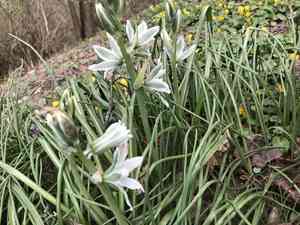
The most favorable period for transplanting Ornithogalum umbellatum is in the revitalizing spring, which guarantees robust development. Select a location offering partial shade and soil that drains effectively. A subtle suggestion: carefully separate intertwined roots to foster organic expansion in their new environment.
What Preparations are Needed Before Transplanting Drooping Star-of-bethlehem?
What is the Ideal Time for Transplanting Drooping Star-of-bethlehem?
The optimal time for moving drooping star-of-Bethlehem is during the spring months. This allows the root system to become established under favorable growing conditions. Choosing this period maximizes the plant's vigor and ensures abundant blooms in future seasons. Warmth promotes root development, and moisture levels are perfect, providing an excellent base for drooping star-of-Bethlehem to flourish. Planting at this time mirrors nature's revival, leading to a more robust and thriving drooping star-of-Bethlehem.
How Much Space Should You Leave Between Drooping Star-of-bethlehem Plants?
For drooping star-of-Bethlehem, ensure a spacing of approximately 0.5-1 foot (15-30 cm) when transplanting. This provides ample room for each plant to grow and thrive without competing for resources.
What is the Best Soil Mix for Drooping Star-of-bethlehem Transplanting?
Prepare a fertile soil for drooping star-of-Bethlehem by incorporating compost or a slow-release granular fertilizer. The soil must drain well, as drooping star-of-Bethlehem dislikes overly wet conditions!
Where Should You Relocate Your Drooping Star-of-bethlehem?
Select a site for drooping star-of-Bethlehem that receives partial to full sun exposure. About 4-6 hours of sunlight daily should be ideal. They also tolerate shaded areas well, so don't worry if your garden isn't a sun trap!
What Equipments Should You Prepare Before Transplantation Drooping Star-of-bethlehem?
Gardening Gloves
To safeguard your hands while digging and handling the drooping star-of-Bethlehem plant; particularly important due to its potential for skin irritation.
Shovel or Spade
For excavating holes and carefully supporting the plant's roots during relocation.
Trowel
Useful for loosening the root ball when removing the plant from a container.
Wheelbarrow
Helpful for transporting the drooping star-of-Bethlehem from its original spot to the new planting location.
Watering Can
To hydrate the drooping star-of-Bethlehem before and after transplantation.
Mulch
Applied after transplanting to help retain soil moisture around drooping star-of-Bethlehem.
How Do You Remove Drooping Star-of-bethlehem from the Soil?
How Do You Remove Drooping Star-of-bethlehem from the Soil?
From Ground: Water the drooping star-of-Bethlehem plant thoroughly some time before transplanting to moisten the soil, which will facilitate the process. Using your shovel or spade, dig a trench around the drooping star-of-Bethlehem, ensuring it's wide enough to encompass the entire root system. Push the spade beneath the root ball and gently lift it from its original position.From Pot: Use the trowel to loosen the soil around the pot's edge. Tilt the pot sideways and gently pull the base of the drooping star-of-Bethlehem to release it. If the plant is root-bound, it's acceptable to tap the pot to help dislodge the plant.From Seedling Tray: Water the drooping star-of-Bethlehem just enough to lightly dampen the soil. Gently hold the drooping star-of-Bethlehem at its base and wiggle it to loosen it. Tilt the tray and guide the plant out, ensuring the root system remains intact.
Step-by-Step Guide for Transplanting Drooping Star-of-bethlehem
Digging the Hole
The hole's depth should be roughly twice that of the drooping star-of-Bethlehem's root ball. Allow ample room for the roots to spread comfortably.
Preparing the Plant
Once the drooping star-of-Bethlehem is ready for transplant, ensure its root ball stays moist. A dry root ball can cause transplant shock.
Placing the Plant
Gently lower the drooping star-of-Bethlehem into the hole, making sure it's level with the soil surface. Spread the roots within the hole. Gradually begin filling the hole with soil, pressing it down around the roots.
Watering
After transplanting, water the drooping star-of-Bethlehem generously, allowing the water to penetrate deep into the soil.
Mulching
Following watering, apply a layer of mulch around the base of the drooping star-of-Bethlehem, being careful not to smother the stem.
How Do You Care For Drooping Star-of-bethlehem After Transplanting?
Observation
For the initial couple of weeks after transplanting your drooping star-of-Bethlehem, monitor for any indications of transplant shock, such as wilting or yellowing leaves. If these appear, ensure your drooping star-of-Bethlehem receives adequate water and protection from strong winds or extreme temperatures.
Watering
Continue to water your drooping star-of-Bethlehem regularly, but avoid overwatering. Once established, drooping star-of-Bethlehem are quite drought-tolerant.
Maintaining
After about a month, consider applying a balanced fertilizer for optimal growth.
Pruning
Once the drooping star-of-Bethlehem has finished flowering, you can trim back the stems to encourage new growth.
Troubleshooting Common Issues with Drooping Star-of-bethlehem Transplantation.
What's the best season to transplant drooping star-of-Bethlehem?
It's best to move drooping star-of-Bethlehem during seasons S1-S3, when the plant is not actively growing.
How much space should be left in between individual drooping star-of-Bethlehem plants during transplanting?
Ensure a spacing of 0.5-1 foot (15-30 cm) between each transplant. This provides sufficient room for growth.
What should I do if the drooping star-of-Bethlehem appears wilted post-transplantation?
This is likely due to transplant shock. Timely watering and appropriate shading can aid in the recovery of drooping star-of-Bethlehem.
Does drooping star-of-Bethlehem require any special soil conditions?
Drooping star-of-Bethlehem thrives best in fertile, well-drained soil. Avoid waterlogged or excessively dry conditions.
Should the drooping star-of-Bethlehem be deeply planted when transplanted?
Avoid planting drooping star-of-Bethlehem too deeply. The root-ball should be level with or slightly below the soil surface.
If the drooping star-of-Bethlehem doesn't bloom after transplanting, what could be wrong?
This might be due to insufficient sunlight exposure or nutrient deficiency. Ensuring enough sunlight and fertilizer can help.
What should I do if the leaves of drooping star-of-Bethlehem turn yellow after transplantation?
Yellow leaves might indicate overwatering or too much sunlight. Adjust watering and placement.
Are there any pest issues to watch out for after transplantation?
Yes, be vigilant for pests like slugs or snails. If observed, use eco-friendly pesticides to manage them.
How should I water drooping star-of-Bethlehem post-transplant?
Water drooping star-of-Bethlehem consistently but ensure not to water-log the plant to promote healthy root growth.
Why is my drooping star-of-Bethlehem not expanding after transplantation?
Check if drooping star-of-Bethlehem is crowded by other plants or obstructed by hardscapes. If so, consider a new transplant location.



