How Much Sunlight Do drooping star-of-Bethlehem Need?
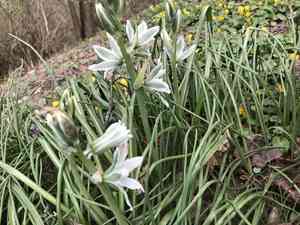
1
Drooping star-of-Bethlehem thrives in direct sunlight but can endure some shade.
2
Insufficient light causes this plant to stretch or lose its rich green hue.
3
For best growth, drooping star-of-Bethlehem needs at least 6 hours of sun each day.
What are the Light Requirements for drooping star-of-Bethlehem?
Optimal Light Conditions
The drooping star-of-Bethlehem flourishes in environments where it receives ample sunlight. Ideal circumstances involve at least 6 hours of direct sun daily. When cultivated outdoors, it performs best in spots with unobstructed light. However, this robust plant also endures partial sun, meaning it can thrive with 3 to 6 hours of sunlight. Ensuring your plant gets sufficient morning sun is especially beneficial, as it encourages vigorous development.
Indicators of Insufficient Light
Your drooping star-of-Bethlehem will signal if it's not receiving enough illumination. Common indicators include etiolation, where the plant grows tall and thin with fewer leaves. The foliage might also lose its vibrant green color, becoming pale or yellow. If these symptoms appear, it clearly shows your plant requires more light.
Preferred Planting Locations
For outdoor cultivation, select a garden site that receives abundant sunshine throughout the day. The south-facing area of your garden is often perfect. Indoors, position your drooping star-of-Bethlehem near a large window that gets plenty of light. East or west-facing windows are typically the best choices, offering balanced morning or afternoon light without harsh midday intensity.
How to Adjust Light Exposure for drooping star-of-Bethlehem?
Modifying Indoor Light Conditions
When cultivating drooping star-of-Bethlehem indoors, ensure it's placed in a brightly lit area. If natural light is inadequate, consider supplementing with artificial grow lights. These lights should be positioned to provide a mix of direct and indirect illumination, mimicking natural settings. Additionally, rotating the plant every few days can help ensure uniform light exposure and prevent uneven growth.
Best Practices for Outdoor Cultivation
Planting your drooping star-of-Bethlehem outdoors involves choosing a site with appropriate light conditions. Select a spot that gets full sun for most of the day but offers some protection from intense afternoon rays, particularly in warmer climates. Applying mulch around the plant can help retain soil moisture and shield roots from extreme temperatures. Regularly inspecting the plant and repositioning it if needed can ensure it receives the correct amount of sunlight.
Seasonal Light Adjustments
Seasonal shifts can significantly impact light exposure. In summer, the sun is more intense, so ensure your plant isnât scorched. Conversely, in winter, daylight hours are shorter, so you might need to move your plant to a sunnier location or add supplemental lighting. Adapting to seasonal variations helps maintain your drooping star-of-Bethlehem's health throughout the year.
Do drooping star-of-Bethlehem Plants Prefer Direct or Indirect Light?
Benefits of Direct Light
Direct sunlight is crucial for the robust development of drooping star-of-Bethlehem. Exposure to direct sun for several hours daily ensures the plant produces sufficient energy through photosynthesis, leading to vigorous growth, bright green foliage, and abundant blossoms. Full sun conditions are especially vital during the active growing period to promote healthy maturation.
Advantages of Indirect Light
While direct sunlight is beneficial, indirect light can also play a role, particularly in preventing heat stress. Indirect light can be adequate for promoting steady growth when direct sunlight is unavailable, such as on cloudy days. This makes partial sun conditions viable, provided the plant still receives sufficient overall illumination.
Balancing Light Intensity
Balancing light intensity is essential for the well-being of your drooping star-of-Bethlehem. Excessive direct sun without relief can cause leaf burn, while too little impedes growth. Observing your plant and moving it if necessary helps maintain this equilibrium. It's about finding the optimal balance where the plant gets enough direct light to flourish without being overwhelmed by intense rays.
Common Problems Caused by Incorrect Light Exposure for drooping star-of-Bethlehem
Symptoms of Overexposure
Overexposure to sunlight can lead to several issues for drooping star-of-Bethlehem. Leaves can become scorched, displaying brown or blackened edges. The plant may also appear wilted despite adequate hydration. If these symptoms are observed, it strongly indicates your plant is receiving too much direct sunlight and requires some protective shading, especially during the hottest parts of the day.
Effects of Insufficient Light
Insufficient light causes a range of problems in drooping star-of-Bethlehem. The plant may become leggy, with stems elongating towards the available light source. Leaves might turn pale or yellow, with slower growth and fewer blooms. These signs suggest a need to reposition the plant or enhance lighting conditions.
Corrective Actions to Take
To rectify light issues, begin by moving the plant to a more suitable spot. For overexposed plants, provide some afternoon shade using garden fabric or by placing potted plants under a tree. For insufficient light, relocate the plant to a sunnier area or add artificial grow lights. Monitoring and adjusting light exposure ensures your drooping star-of-Bethlehem remains healthy and vibrant.



