How to Prune drooping star-of-Bethlehem?
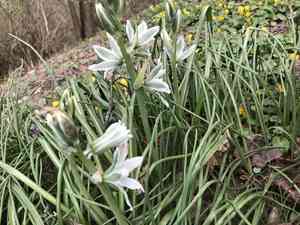
This perennial, characterized by its bulbous structure, is known for its pendulous white blossoms featuring a greenish outer layer. For Ornithogalum nutans, trimming requirements are slight, primarily involving the removal of faded flower stalks subsequent to flowering to encourage nutrient redirection to the bulbs. Any foliage that is dead or yellowing ought to be trimmed back after the blooming phase, but only once it has completely dried out, as these leaves supply essential nutrients to the bulb for the subsequent growth cycle. The most suitable period for pruning extends from late spring through autumn, aligning with the plant's dormant phase following its bloom. Consistent trimming helps sustain the plant's vitality and visual attractiveness.
What Are the Benefits of Pruning Drooping Star-of-bethlehem?
What Are the Benefits of Pruning Drooping Star-of-bethlehem?
Trimming drooping star-of-Bethlehem encourages more abundant blossoms by directing energy towards flower development, promotes robust growth through improved light and air circulation, and maintains a desired form and size for visual appeal and garden balance.
What Is the Best Time for Pruning Drooping Star-of-bethlehem?
What Is the Best Time for Pruning Drooping Star-of-bethlehem?
Drooping star-of-Bethlehem actively grows in late spring and flowers during this period. Pruning in late spring, post-flowering, allows the plant to allocate energy to new growth and potentially a second bloom, rather than sustaining faded flowers. Early summer provides an additional opportunity for pruning, helping to shape the plant and manage its size before it enters a more dormant phase in late summer and fall. Autumn pruning is not recommended, as drooping star-of-Bethlehem needs its foliage to accumulate energy for the subsequent growth cycle. Winter pruning is also ill-advised, as it exposes the plant to potential cold damage.
What Tools Do I Need to Prune Drooping Star-of-bethlehem?
Bypass Pruners
Perfect for making clean cuts on the green or live stems of drooping star-of-Bethlehem without crushing plant tissue, ensuring healthier regrowth.
Gardening Gloves
Protects hands when trimming drooping star-of-Bethlehem, as some individuals may experience skin reactions to the plant's sap.
Pruning Snips
Ideal for precise trimming of small or delicate areas of drooping star-of-Bethlehem, enabling intricate work without harming nearby foliage.
How to Prune Drooping Star-of-bethlehem
Clean Tools
Before beginning, ensure your pruning shears are clean and sanitized to prevent the spread of disease to drooping star-of-Bethlehem.
Diseased Leaves
Carefully inspect drooping star-of-Bethlehem for any diseased leaves. Use your shears to snip off any unhealthy leaves at their base, taking care to avoid damaging the healthy surrounding tissue.
Withered Leaves
Identify and remove any dried or dead leaves to maintain the aesthetic appeal and health of drooping star-of-Bethlehem. Cut these leaves at the base without harming new growth.
Withered Flowers
After drooping star-of-Bethlehem blooms, look for withered flowers. Gently prune these spent flowers close to their base to encourage new growth and potentially extend the blooming period.
Clean Up
Dispose of all removed material by either composting (if not diseased) or discarding in the trash to minimize the risk of disease or pests affecting drooping star-of-Bethlehem. Clean your tools again after finishing.
Common Pruning Mistakes with Drooping Star-of-bethlehem
Overpruning
Removing too much foliage from drooping star-of-Bethlehem can weaken the plant, limiting its ability to photosynthesize and making it susceptible to diseases.
Improper Cutting Technique
Using dull or dirty tools can cause jagged cuts, which are more prone to infection. Always use sharp, clean pruning shears.
Pruning At The Wrong Time
While the exact season is not discussed, pruning drooping star-of-Bethlehem at an incorrect point in its growth cycle can hinder blooming.
Neglecting Deadheading
Failing to remove spent flowers can lead to unwanted self-seeding and a reduction in the following year's flowering.
Cutting Too Close
Cutting the flowering stalks too near the basal rosette may damage the plant's base, from which new growth emerges.
Common Pruning Tips for Drooping Star-of-bethlehem
Correct Pruning Stage
Drooping star-of-Bethlehem should be pruned once the flowers have faded but before the seeds have fully developed to prevent self-seeding if not desired.
Tool Preparation
Ensure that the pruning shears are sterilized before use to prevent the spread of pests and diseases.
Deadheading
Carefully remove spent blooms by cutting the flowering stalk down to the base to promote more vigorous growth.
Gentle Handling
When pruning, handle drooping star-of-Bethlehem gently to avoid snapping the tender stems, which can cause unnecessary stress to the plant.
Monitoring Growth
Regularly inspect drooping star-of-Bethlehem for unhealthy or damaged foliage, removing these to maintain plant vigor and aesthetic appeal.



