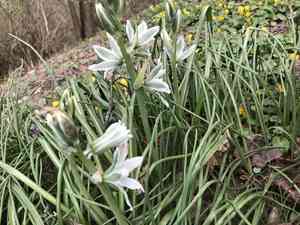
drooping star-of-Bethlehem (Ornithogalum nutans)
Also known as: Silver Bells
The Star-of-Bethlehem (Ornithogalum umbellatum), originally from Europe and Southwest Asia, is a flowering plant known for its distinctive star-shaped, nodding white blooms. While commonly grown for its ornamental appeal in gardens and borders, it is also recognized as an invasive species in several U.S. states due to its aggressive growth and ability to dominate local ecosystems.
In This Article
Attributes of drooping star-of-Bethlehem
Lifespan
Perennial
Plant Type
Herb
Plant Height
45 cm
Spread
20 cm
Leaf Color
Green
Flower Size
3 cm
Flower Color
White Green
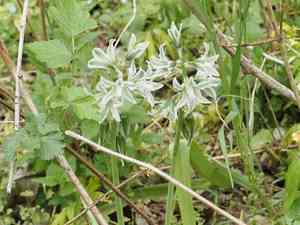
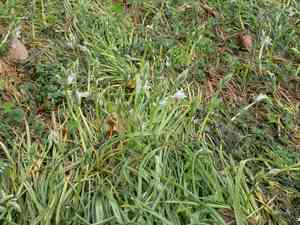
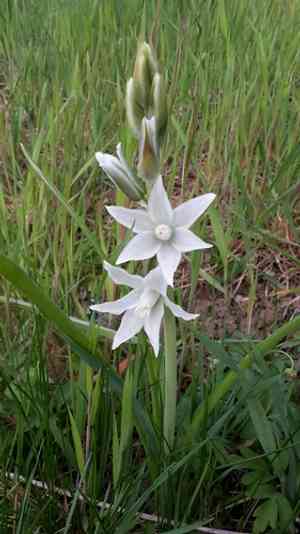
Images of drooping star-of-Bethlehem
Quickly Identify drooping star-of-Bethlehem
1
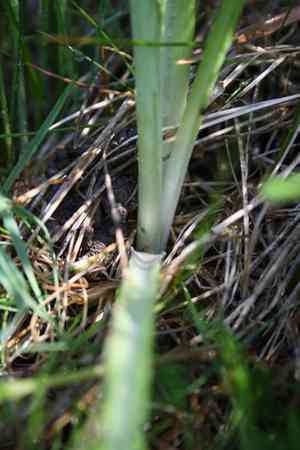
Ornithogalum nutans can be identified by its drooping, star-shaped flowers that have a distinct green stripe on the outer petals. The leaves are linear and grass-like with a whitish midrib.
Scientific Classification of drooping star-of-Bethlehem
Phylum
Vascular plants
Class
Monocotyledons
Order
Asparagales
Family
Asparagus
Genus
Star-of-bethlehem
Species
drooping star-of-Bethlehem
Planting and Growing of drooping star-of-Bethlehem
Care Difficulty
Easy
Watering Schedule
Every 2 days
Sunlight Requirements
Partial sun
Sunshine Duration
4-8 hours
Ideal Temperature
60-75℉
Soil Type
Potting Mix, Peat Mix
Soil pH
6.5-7.5
Fertilizer Type
Balanced
Pruning Season
Spring, Summer
Pruning Area
Branches, Leaves
Pruning Frequency
2 times a year
Repotting Season
Spring
Pot Type
Plastic, Ceramic
 How to Water drooping star-of-Bethlehem?
Ornithogalum nutans, a beautiful bulbous plant, requires careful watering to thrive. Water with 150 milliliters each time, ensuring the soil is moist but never soggy. The goal is to imitate its natural habitat where it experiences a dry and wet cycle.
What are the symptoms of an underwatered drooping star-of-Bethlehem?
›
What should I do if my drooping star-of-Bethlehem is not getting enough water?
›
What are the symptoms of an overwatered drooping star-of-Bethlehem?
›
How to save an overwatered drooping star-of-Bethlehem?
›
 What Are the Sunlight Requirements for drooping star-of-Bethlehem?
Partial sun to full sun ensures healthy growth with vibrant foliage and abundant flowering. Ideal light provides energy for photosynthesis, supporting vigorous plant development and blooming.
More About Sunlight Requirements Techniques→
What is the best light condition for Ornithogalum nutans?
›
How can I ensure adequate light for my Ornithogalum nutans?
›
What are the benefits of optimum lighting for Ornithogalum nutans?
›
 What Is the Ideal Temperature Range for drooping star-of-Bethlehem?
The ideal temperature range for cultivating Ornithogalum nutans lies between 60°F to 75°F. This range ensures optimal growth and blooming, providing the plant with the warmth it needs without the risk of overheating or wilting.
 What Soil is Best for drooping star-of-Bethlehem?
Ornithogalum nutans thrives best in soil that provides excellent drainage, preventing waterlogged conditions which could lead to bulb and root rot. Good drainage enhances airflow to the roots, promoting healthy growth. This plant prefers soil enriched with organic matter, enhancing its nutrient supply. Nutrient-rich soil supports robust growth and vibrant blooms, essential for the ornamental appeal of the plant. While avoiding waterlogged conditions, the soil must also retain some moisture to sustain the plant during drier periods. Balanced moisture levels ensure sustained hydration, promoting consistent growth.
 How to Fertilize drooping star-of-Bethlehem?
For Ornithogalum nutans, use a balanced liquid fertilizer diluted to half strength to promote healthy growth. Apply approximately 10-20 milliliters of the diluted solution per plant, ensuring the soil is moist before application to enhance nutrient uptake and avoid root burn.
 How to Prune drooping star-of-Bethlehem?
Ornithogalum nutans, commonly known as the drooping star-of-Bethlehem, should be pruned once a year after the flowering season has concluded. This timing allows the plant to direct its energy towards bulb development rather than seed production. To prune Ornithogalum nutans, use sharp, sterilized pruning shears to cut back the flower stems down to the base once the flowers have faded. Be sure to leave the foliage intact until it naturally withers, as it is essential for photosynthesis and nutrient storage in the bulb.
More About Pruning Techniques→
 How to Propagate drooping star-of-Bethlehem plant?
1
Begin by choosing a healthy parent plant. Loosen the soil around it using a garden trowel to avoid damage to the bulbs. Gently lift the plant to expose the root system.
2
Use a sterilized knife to carefully cut the offsets from the main bulb. Ensure each offset has a portion of roots attached to it, promoting better growth once replanted.
3
Prepare a new planting site with well-draining soil. Plant the offsets at the same depth they were growing previously. Water the newly planted offsets lightly to settle the soil around them.
 How to Repot drooping star-of-Bethlehem plant?
1
The ideal time to repot Ornithogalum nutans is during spring when new growth appears. If you notice the plant's roots poking through the drainage holes or stunted growth, it's signaling the need for repotting. The fresh vigor in spring ensures the plant can adjust and thrive in its new home.
2
Choose a pot slightly larger than the current one, crafted from ceramic or clay for better breathability. Ensure it has ample drainage holes to prevent waterlogging, which can harm the plant's delicate roots. The new pot should offer enough space for root expansion while providing a stable environment for the plant's growth.
3
Select a well-draining potting mix, ideally one with a blend of sand, peat, and loam. This soil combination provides excellent drainage, allowing the roots to breathe and preventing overwatering issues, which can lead to root rot. The soil's lightness also makes transplanting less stressful for the plant.
Toxicity
Ingestion
WARNING
The judgment on toxicity and danger is for reference only. We DO NOT GUARANTEE any accuracy of such judgment. Therefore, you SHALL NOT rely on such judgment. It is IMPORTANT TO SEEK PROFESSIONAL ADVICE in advance when necessary.
Learn More About drooping star-of-Bethlehem Diseases
Anthracnose
Bacterial Leaf Spot
Bacterial Soft Rot
Damping-off
Downy Mildew
Drought Stress
Fusarium Wilt
Gray Mold
Leaf Spot
Mosaic
Nutrient Deficiency
Nutrient Toxicity
Powdery Mildew
Root Rot
Root-knot Nematode
Rusts
Sooty Mold
Spider Mites
Temperature Stress
Thrips Damage
White Mold
Chemical Injury



