How to Transplant Greek oregano?
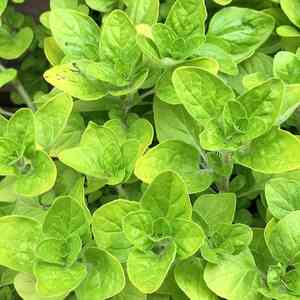
Greek oregano flourishes when relocated from early to mid-spring, benefiting from the moderate climate. Select a bright location featuring soil that drains effectively. Offer protection from strong gusts to improve the likelihood of successful root establishment. Enjoy your transplanting!
What Preparations are Needed Before Transplanting Greek Oregano?
What is the Ideal Time for Transplanting Greek Oregano?
The best period for relocating greek oregano is from early to mid-spring. This timing ensures the plant benefits from mild temperatures and increased rainfall, fostering robust root development and establishment. Transplanting during this window enhances the plant's ability to flourish and minimizes transplant shock.
How Much Space Should You Leave Between Greek Oregano Plants?
Greek oregano should be positioned 12-18 inches (30-45 cm) apart to allow for sufficient air circulation and growth. This spacing helps reduce disease risk and ensures plants have ample room to thrive.
What is the Best Soil Mix for Greek Oregano Transplanting?
Greek oregano thrives in well-draining soil. It's advisable to incorporate compost or a balanced organic fertilizer to enrich the soil before transplanting. Aim for a slightly alkaline to neutral pH, approximately 6.5 to 7.5.
Where Should You Relocate Your Greek Oregano?
Greek oregano requires full sunlight. Select a garden spot that receives at least 6-8 hours of direct sun daily. This will promote strong growth and enhance flavor.
What Equipments Should You Prepare Before Transplantation Greek Oregano?
Gardening Gloves
To safeguard your hands while handling soil and plants.
Small Shovel or Trowel
For excavating the plant from its original spot and placing it in the ground.
Watering Can or Hose
To hydrate the plant before, during, and after relocation.
Garden Fork
To gently loosen the soil surrounding the plant.
Pruning Shears
To trim any damaged or excessively long roots.
Compost or Organic Matter
To enrich the soil in the new planting hole.
How Do You Remove Greek Oregano from the Soil?
How Do You Remove Greek Oregano from the Soil?
From Ground: First, moisten the greek oregano plant's soil. Then, dig a wide trench around the plant using a small shovel or trowel, ensuring the root ball remains intact. Carefully work a garden fork beneath the root ball and gently lift the plant from its original location.From Pot: Gently lay the pot on its side and tap the bottom to loosen the soil. Carefully slide the greek oregano plant out, supporting the plant's base and ensuring the root ball stays intact.From Seedling Tray: Water the seedlings thoroughly before transplanting. Using a small tool like a popsicle stick or pencil, gently lift the seedlings from the tray, being careful not to damage the roots.
Step-by-Step Guide for Transplanting Greek Oregano
Site Preparation
Select a location with adequate sunlight and space for your greek oregano plant to reach its mature size. Amend the soil with compost or organic matter to ensure it is nutrient-rich and drains well.
Digging the Hole
Excavate a hole in the prepared site that is twice as wide and as deep as the root ball of your greek oregano plant.
Plant Placement
Position the plant in the hole, ensuring the top of the root ball is level with the surrounding soil. Backfill the hole with soil, gently firming it around the plant's base to eliminate air pockets.
Watering the Plant
Thoroughly water the greek oregano plant immediately after transplanting to help settle the soil and remove any remaining air pockets.
Applying Mulch
Apply a layer of mulch around the plant's base to help retain moisture and suppress weeds, being careful not to bury the stem or crown.
How Do You Care For Greek Oregano After Transplanting?
Watering
Keep the soil around the greek oregano consistently moist, but not waterlogged, for the initial weeks after transplanting to aid in strong root establishment.
Monitoring
Watch for signs of transplant shock, such as wilting or discoloration, and address issues promptly by adjusting water levels or providing light shade if needed.
Pruning
Trim any damaged leaves or stems to direct the plant's energy towards root establishment and overall healthy growth.
Mulching
Replenish the mulch as necessary to maintain a consistent layer, which will help regulate soil moisture and temperature.
Troubleshooting Common Issues with Greek Oregano Transplantation.
When is the best time to transplant greek oregano?
The optimal time to transplant greek oregano is from early to mid-spring.
How far apart should I space greek oregano plants?
Space greek oregano plants 12-18 inches (30-45 cm) apart for best growth.
How do I prepare the soil for transplanting greek oregano?
Ensure the soil is well-draining, fertile, and enriched with compost.
How deep should I plant greek oregano transplants?
Plant greek oregano transplants at the same depth they were in their previous container.
What should I do if greek oregano appears wilted after transplanting?
Water thoroughly and provide some shade until the plant recovers.
Should I water greek oregano immediately after transplanting?
Yes, water greek oregano immediately to help settle the soil around the roots.
How can I minimize transplant shock for greek oregano?
Transplant during cool, cloudy days and avoid disturbing the roots excessively.
What type of mulch is best for greek oregano after transplanting?
Use organic mulch like straw or compost to retain moisture and regulate temperature.
How often should I water greek oregano after transplanting?
Water greek oregano regularly, keeping the soil consistently moist but not waterlogged.
What should I do if greek oregano shows signs of poor growth?
Ensure proper spacing, adequate sunlight, and check for pests or soil nutrient deficiencies.



