How to Propagate Greek oregano?
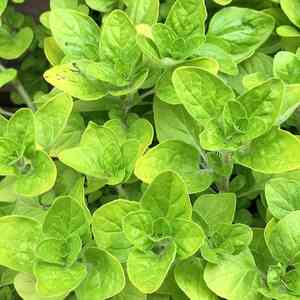
Greek oregano flourishes when reproduced via stem sections. To achieve successful development, select robust, non-blooming stalks and embed them in a potting blend that drains effectively. Guarantee a moist atmosphere and sustain steady hydration without saturating the soil. Root formation generally takes place within several weeks given ideal circumstances.
Optimal Time for Greek Oregano Propagation
Propagation Method
Cutting
Propagation Period
Spring,Summer
Tools for Greek Oregano Propagation
Sharp Pruning Shears
These are vital for taking clean, precise cuttings from greek oregano, minimizing harm to both the parent plant and the new cuttings. A clean cut helps prevent infection and encourages better root growth once planted.
Rooting Hormone
This chemical compound stimulates root development from the cut stem of greek oregano. Dipping the stem's end into rooting hormone increases the likelihood of establishing a strong root system, crucial for successful propagation.
Sterile Potting Mix
Using a sterile potting mix prevents the introduction of harmful pathogens to greek oregano cuttings. A soilless mix or one with perlite and vermiculite ensures good drainage and air circulation, essential for root formation.
Small Pots or Trays
Appropriately sized containers are key for starting greek oregano's cuttings. They should be small enough to hold cuttings securely without overcrowding, promoting better nutrient absorption and root expansion.
Plastic Covers or Mini Greenhouses
These create a humid microenvironment vital for greek oregano cuttings to root. Maintaining high humidity around the cuttings prevents them from drying out before roots develop.
Watering Can with Fine Rose
Gentle watering is necessary to keep the soil moist for greek oregano's cuttings. A watering can with a fine rose attachment distributes water evenly and softly, avoiding disturbance to newly planted cuttings.
Labels and Markers
For proper identification and tracking of growth stages in various greek oregano cuttings, use durable, weather-proof labels and markers. This aids in organizing the propagation process and monitoring each plant's progress.
How to Propagate Greek Oregano?
Propagation Type
Easy
Caring for Your Newly Propagated Greek Oregano
Caring for Your Newly Propagated Greek Oregano
Once roots are established, gradually introduce greek oregano to lower humidity by removing the plastic cover for increasing durations over a week. When greek oregano shows new growth, it can be moved to a larger pot or the garden. Keep soil moderately moist and provide full sun. Prune regularly to encourage bushiness and prevent legginess. During the growing season, fertilize greek oregano lightly every 4-6 weeks with a balanced, water-soluble fertilizer.
Common Mistakes to Avoid When Propagating Greek Oregano
Overwatering
Excessive moisture can lead to root rot, stunted growth, and increased disease susceptibility, which can be detrimental to the propagation process.
Poor Soil Drainage
Using soil that retains too much water without proper drainage can cause waterlogged conditions, hindering root development.
Insufficient Light
Providing inadequate light reduces the plant's ability to photosynthesize, resulting in weak growth and a lower propagation success rate.
Incorrect Cutting Techniques
Improperly cutting the parent plant, such as damaging stems or using dull tools, can introduce infections and reduce cutting viability.
Neglecting to Harden Off
Failing to acclimate cuttings to outdoor conditions can result in transplant shock when they are eventually planted outside.
Tips For Propagating Greek Oregano
Use Well-Draining Soil
Ensure the medium allows for good drainage to prevent waterlogged conditions, promoting healthy root development.
Water Sparingly
Keep the soil moderately moist but not saturated to prevent root rot and encourage robust growth.
Maintain Bright, Indirect Light
Provide ample light without direct sun exposure to facilitate photosynthesis while avoiding potential leaf scorching.
Sterilize Cutting Tools
Use clean, sharp tools for taking cuttings, reducing the risk of introducing pathogens and increasing the chances of successful rooting.
Acclimate Gradually
Gradually expose the cuttings to outdoor conditions over time to build resilience and reduce the likelihood of transplant shock.



