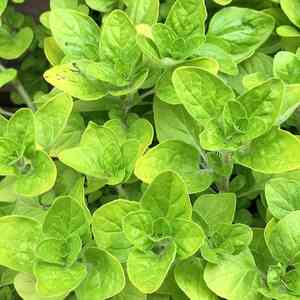
Greek oregano (Origanum onites)
Also known as: Pot marjoram
Greek oregano holds a significant place in Mediterranean cuisine, prized for its robust flavor and aromatic qualities. It is widely used to enhance the taste of meats, fish, salads, and sauces, and features prominently in many traditional dishes such as Greek salad and moussaka. Historically, it has also been valued for its medicinal properties.
Modern research is delving into the health benefits of oregano, examining its antimicrobial, antioxidant, and anti-inflammatory effects. Scientists are exploring its potential to boost immune function, combat bacterial infections, and possibly aid in cancer prevention.
In This Article
Attributes of Greek oregano
Lifespan
Perennial
Plant Type
Herb
Plant Height
15 cm
Spread
30 cm
Leaf Color
Green
Flower Size
0.5-1 cm
Flower Color
White
Images of Greek oregano
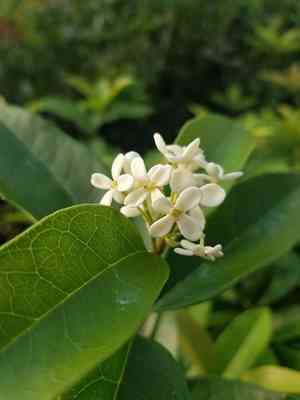
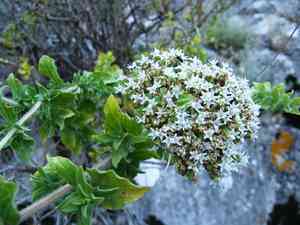
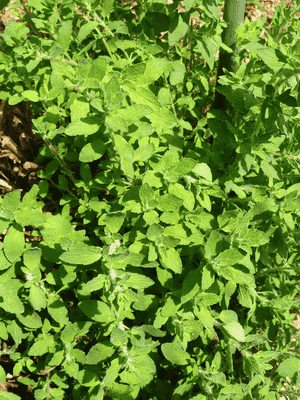
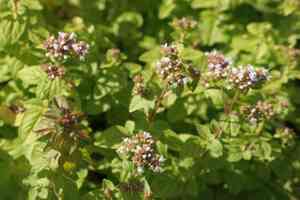
Quickly Identify Greek oregano
1
Origanum onites can be identified by its oval, grey-green leaves that are covered with fine hairs. The plant produces small white or pink flowers in dense clusters. The leaves emit a strong, pleasant aroma when crushed.
Scientific Classification of Greek oregano
Phylum
Vascular plants
Class
Dicotyledons
Order
Lamiales
Family
Mint
Genus
Marjorams
Species
Greek oregano
Planting and Growing of Greek oregano
Care Difficulty
Easy
Watering Schedule
Every 4 days
Sunlight Requirements
Full sun
Sunshine Duration
6-10 hours
Ideal Temperature
60-70℉
Soil Type
Potting Mix, Peat Mix
Soil pH
6.5-7.5
Fertilizer Type
Balanced
Pruning Season
Spring, Summer
Pruning Area
Branches, Leaves
Pruning Frequency
2 times a year
Repotting Season
Spring
Pot Type
Plastic, Ceramic
 How to Water Greek oregano?
The watering amount for Origanum onites should be approximately 200 milliliters per session. Ensure the soil is evenly moist but not saturated. Water until a small amount starts to seep through the drainage holes, indicating thorough hydration without waterlogging the roots.
What are the symptoms of an underwatered Greek oregano?
›
What should I do if my Greek oregano is not getting enough water?
›
What are the symptoms of an overwatered Greek oregano?
›
How to save an overwatered Greek oregano?
›
 What Are the Sunlight Requirements for Greek oregano?
Origanum onites favors full to partial sun exposure, enjoying 6 to 8 hours of sunlight daily. Proper light ensures strong, healthy growth, maximizes foliage density, and enhances its culinary traits.
What is the ideal lighting condition for Origanum onites?
›
How do I achieve the ideal sunlight exposure?
›
What are the benefits of providing ideal sunlight?
›
 What Is the Ideal Temperature Range for Greek oregano?
For optimal growth and thriving, Origanum onites prefers a temperature range of 60°F to 70°F. Within this range, the plant can efficiently perform photosynthesis, maintain its metabolism, and produce the best flavors and aroma, which are essential for its use as a culinary herb.
 What Soil is Best for Greek oregano?
Origanum onites thrives in well-drained soils, which prevent waterlogging and root rot. This quality ensures the roots receive adequate oxygen and nutrients without being suffocated by excessive moisture, promoting vigorous growth and healthy foliage. This plant benefits from moderately fertile soil that provides essential nutrients for growth. Excessive fertility is avoided as it may lead to lush foliage at the expense of flowering, impacting the aromatic qualities of the leaves. The soil should have low moisture retention, allowing it to dry out between waterings. This condition replicates the plant's natural Mediterranean environment and prevents fungal diseases, leading to robust, aromatic leaves.
 How to Fertilize Greek oregano?
Origanum onites, commonly known as Greek oregano, requires moderate fertilization. When applying liquid fertilizer, use half-strength solutions to avoid nutrient burn, as the plant is sensitive to high nutrient concentrations. For slow-release fertilizers, use according to manufacturer guidelines, generally at a rate of 10 grams per square meter.
 How to Prune Greek oregano?
Begin by selecting sharp, clean pruning shears to avoid damaging the plant. Trim back about one-third of the plant's height to encourage bushy growth. Focus on cutting just above a pair of leaves or a node to stimulate new growth. Remove dead or dry stems first, as they can harbor pests or diseases. To maintain a pleasing shape and prevent the plant from becoming too sprawling, trim the outer branches more than the inner ones. Aim for a consistent, rounded shape by pinching back stems to maintain balance and shape.
More About Pruning Techniques→
 How to Propagate Greek oregano plant?
1
Begin by filling seed trays with a well-draining seed starting mix. Sow Origanum onites seeds lightly on the surface, covering them gently with a thin layer of soil. Keep the moisture consistent and place the trays in a warm, sunny location.
2
Select a healthy parent plant and use pruning shears to cut a 4-6 inch section just below a node. Remove the lower leaves to expose the stem before planting in a nutrient-rich soil mix to encourage rooting.
3
Carefully dig up a mature Origanum onites plant and separate its root clumps into smaller sections. Ensure each section has both roots and shoots before planting them into individual pots or directly in the garden.
 How to Repot Greek oregano plant?
1
Origanum onites shows signs of needing repotting when roots begin circling the pot inside or protruding through drainage holes. Additionally, diminished growth, wilting despite watering, or soil compactness are indicators. Typically, spring or early summer is ideal, as this is when the plant is actively growing and can adjust better.
2
Selecting the right pot for Origanum onites involves ensuring there are adequate drainage holes to prevent waterlogging. The pot should be slightly larger than the current one, offering room for root expansion without excessive space that might lead to overwatering. Terracotta is an excellent choice as it allows soil to dry evenly.
3
Opting for a well-draining potting mix is crucial for Origanum onites because it prevents root rot by ensuring excess water can escape. Soil mixes with components like sand or perlite enhance drainage and aeration, offering a supportive environment where roots can thrive without becoming waterlogged.
Learn More About Greek oregano Diseases
Anthracnose
Bacterial Leaf Spot
Bacterial Soft Rot
Chemical Injury
Damping-off
Downy Mildew
Drought Stress
Fusarium Wilt
Gray Mold
Leaf Spot
Mosaic
Nutrient Deficiency
Nutrient Toxicity
Powdery Mildew
Root Rot
Root-knot Nematode
Rusts
Sooty Mold
Spider Mites
Temperature Stress
Thrips Damage
White Mold



