How to Prune Greek oregano?
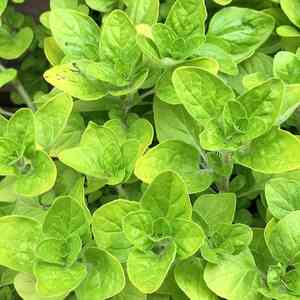
A perennial herb prized for its fragrant foliage, greek oregano flourishes with consistent trimming. Optimal pruning occurs in spring and summer to encourage dense development and avert spindly stems. Early spring pruning stimulates fresh growth, whereas summer trimming, after blooming, boosts leaf output. Routine removal of faded blossoms preserves plant vitality and aesthetic appeal. This strategic pruning not only maximizes leaf collection but also upholds plant well-being, guaranteeing an abundant harvest annually.
What Are the Benefits of Pruning Greek Oregano?
What Are the Benefits of Pruning Greek Oregano?
Trimming greek oregano promotes robust development and maintains its desired form. Regular cutting back revitalizes the plant, fostering dense foliage and preventing elongated stems. This managed shape supports more uniform development and enhances the overall well-being of greek oregano.
What Is the Best Time for Pruning Greek Oregano?
What Is the Best Time for Pruning Greek Oregano?
Pruning greek oregano in Spring ensures it begins its rapid growth phase with a healthy, manageable structure, improving sunlight exposure and air flow, crucial for vigorous growth. Trimming in early Summer helps shape the plant and control its size, especially before it dedicates energy to flowering. This timing encourages lush, dense foliage, thereby maximizing leaf production, which is vital as the leaves are the primary culinary use of greek oregano. These periods are recommended as they align with greek oregano's natural growth cycle and preparation for productive seasons, preventing undue stress that could impede development and flavor potency.
What Tools Do I Need to Prune Greek Oregano?
Hand pruners
Perfect for trimming and shaping greek oregano due to their precise cutting capability. They enable clean cuts that facilitate healthier growth and maintenance of the desired plant form.
Garden scissors
These are useful for snipping off dead or overgrown branches of greek oregano. Their smaller, sharper blades are ideal for reaching tight spots within the herb's bushy growth.
Pruning shears
Effective for larger, woodier stems that greek oregano may develop over time, providing the necessary leverage to make clean cuts without harming the plant.
How to Prune Greek Oregano
Identify
Locate and evaluate all diseased, withered, or dead leaves and stems on greek oregano. Carefully observe signs of discoloration, spots, or unusual texture as these indicate the unhealthy parts of the plant that need removal.
Prepare
Ready the necessary tools for pruning, which should include sharp, clean pruning shears or scissors. Sanitize the blades using rubbing alcohol or a bleach solution to prevent the spread of any disease during the pruning process.
Cut leaves
Gently remove diseased and withered leaves from greek oregano by cutting at the base of the leaf stalk where it meets the stem. Make clean cuts to avoid damaging the healthy parts of the plant. This is crucial for preventing disease spread and promoting healthy growth.
Cut stems
Prune diseased stems of greek oregano by making a cut at a point just above a healthy leaf node or internode. Ensure each cut is clean and angled away from the node to facilitate water runoff and prevent rot.
Cleanup
Properly dispose of all removed parts to prevent reinfection or disease spread. Clear away all fallen debris around greek oregano and discard it away from healthy plants. Clean and sterilize the tools used in pruning once again.
Common Pruning Mistakes with Greek Oregano
Overpruning
Removing too much foliage from greek oregano can weaken the plant, reducing its ability to photosynthesize effectively and making it vulnerable to diseases and stunted growth.
Improper cut angle
Cuts made at incorrect angles can result in damaged stems for greek oregano, which may lead to disease entry and poor regrowth.
Cutting healthy growth
Novice gardeners often mistakenly cut back healthy, vibrant growth in an attempt to shape the plant or reduce its size, unknowingly removing parts essential for the vitality of greek oregano.
Ignoring diseased sections
Failing to remove diseased or dead sections during pruning can allow problems to persist or spread, negatively impacting the overall health of greek oregano.
Common Pruning Tips for Greek Oregano
Utilize sharp tools
Ensure that pruning tools are sharp and clean before cutting greek oregano to make clean cuts that heal quickly, reducing stress and exposure to pathogens.
Focus on older growth
Prune older, woody growth to stimulate new shoots and promote a bushier appearance. This helps greek oregano produce denser foliage and a more compact form.
Thin center
Thin out the center of greek oregano to improve air circulation and light penetration, which are critical for reducing the risk of fungal diseases and encouraging healthy growth.
Cut just above leaf nodes
Make cuts just above leaf nodes on greek oregano, as this will encourage branching and lead to fuller plants. Avoid leaving too long a stub as it can attract pests and diseases.



