How to Transplant Velvet tree-pear?
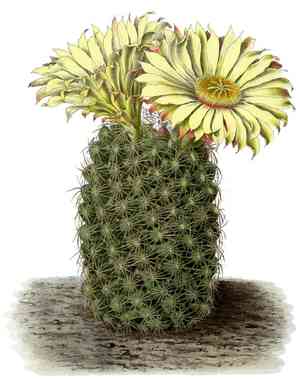
For best results, transplanting velvet tree-pear during mid-spring improves root establishment, thanks to mild temperatures and sufficient development period. Choose a bright spot with soil that drains effectively. Careful manipulation protects fragile roots, guaranteeing a smooth relocation.
Essential Preparations Before Relocating Velvet Tree-pear
Optimal Period for Moving Velvet Tree-pear?
The best time to move velvet tree-pear is during the lively period of mid to late spring. This timeframe offers ideal growth conditions, enabling velvet tree-pear to establish roots in the warming ground. This timing not only leverages the season's mild temperatures but also provides velvet tree-pear a full growing season to thrive. Starting spring with velvet tree-pear ensures a strong, flourishing plant, far beyond the simple act of moving it.
Required Spacing Between Velvet Tree-pear Plants?
Ensure each velvet tree-pear is positioned approximately 3-4 feet (0.9-1.2 meters) apart. This provides ample room for their growth and expansion. It's crucial to avoid overcrowding these beautiful plants!
Best Soil Blend for Velvet Tree-pear Relocation?
Prepare your soil using a well-draining sandy or gritty mixture, and incorporate a balanced base fertilizer. These conditions are optimal for velvet tree-pear's development and will help it flourish!
Recommended Spot for Your Velvet Tree-pear?
Velvet tree-pear thrives in abundant sunlight! Select a location where it will receive at least 6-8 hours of direct sun daily. This will ensure its healthy development and vibrant blossoms.
Tools Required Before Transplanting Velvet Tree-pear?
Gardening Gloves
For hand protection when handling the velvet tree-pear, as it possesses thorns that can irritate skin.
Shovel or Trowel
For excavating the velvet tree-pear from its original spot and for digging the new planting hole.
Gardening Spade
For gently lifting the plant from its previous location, minimizing root damage.
Wheelbarrow or Sack
For moving the plant to its new site.
Watering Can or Hose
For hydrating the plant before and after its relocation.
Mulch
To help the soil retain moisture and suppress weed growth post-transplant.
Method for Extracting Velvet Tree-pear from Soil?
Method for Extracting Velvet Tree-pear from Soil?
From Ground: First, thoroughly water the velvet tree-pear to moisten the soil, facilitating easier removal. Next, use a shovel or spade to dig a wide circle around the plant, being careful not to disturb healthy roots. Afterward, gently dig beneath the plant and carefully lift it, ensuring the root ball stays intact. For larger plants, a wheelbarrow or sack might be needed for transport to its new spot. From a Pot: Water the plant well, then gently tilt the pot sideways and carefully slide out the velvet tree-pear, supporting the root ball. If it doesn't come out easily, you might need to tap the pot's bottom to loosen soil and roots. From a Seedling Tray: Water the seedlings first to make the soil more manageable. Gently loosen the soil around the roots with your fingers and lift the velvet tree-pear from the tray. Be sure to hold seedlings by their leaves, not their stems or roots.
Step-by-Step Guide for Relocating Velvet Tree-pear
Preparation
Preparation is crucial when moving the velvet tree-pear. Before beginning, clear the new area of any other plants, rocks, or debris. This includes preparing the new hole, which should be twice as wide and equal in depth to the velvet tree-pear's root ball.
Plant Extraction
Follow the removal process instructions provided above to safely lift the velvet tree-pear from its current location.
Transport
If necessary, use a wheelbarrow or sack to move the plant to its new location, minimizing root damage.
Planting
Place the velvet tree-pear into the new hole. Ensure the top of the root ball is level with or slightly above the surrounding soil. Backfill the hole with original soil, gently firming it around the root ball.
Watering
Thoroughly water the plant after transplanting. This helps the soil settle around the roots and reduces plant stress.
Mulching
Apply a layer of mulch around the base of the velvet tree-pear to conserve soil moisture and prevent weed growth.
Post-Transplant Care for Velvet Tree-pear?
Consistent Watering
Velvet tree-pear requires regular watering until it establishes itself in its new spot. However, avoid overwatering as it prefers well-drained soil. Ensure the soil dries out between waterings.
Pruning
Pruning is not immediately necessary after transplanting, but it will be important later to manage the velvet tree-pear's size and promote its health. Remove any dead, damaged, or diseased branches.
Pest/Disease Monitoring
Watch for any indications of pest infestation or disease on your velvet tree-pear. Prompt action can prevent significant harm to your plant.
Adjustment Period
Our leafy companion might experience some transplant shock, which could manifest as wilting leaves or halted growth. Be patient! Allow the plant some time – it's adapting to its new environment.
Resolving Common Issues with Velvet Tree-pear Transplantation.
When is the optimal time to move velvet tree-pear?
The best period for transplanting velvet tree-pear is during S2-S3. Relocating it according to local seasons will significantly boost the plant's survival rate.
What spacing should I maintain between each velvet tree-pear during transplanting?
Provide each velvet tree-pear with ample room. Ideally, aim for 3-4 feet (0.9-1.2 meters) of spacing, allowing each plant to grow robustly.
What size should the hole be when transplanting velvet tree-pear?
Dig a hole that is twice the width of the root ball and slightly less deep. This provides sufficient space for new root development when relocating velvet tree-pear.
How deep should I plant velvet tree-pear during transplanting?
Plant velvet tree-pear at a similar depth to its previous container. This prevents the root collar from being too deep, which can lead to rot.
What soil type is best for transplanting velvet tree-pear?
Velvet tree-pear thrives in well-drained soil, so mix grit or sharp sand into your planting hole if your soil is heavy or clay-like.
How should I care for velvet tree-pear after transplanting?
Water velvet tree-pear thoroughly after transplanting. Then keep the soil slightly moist but not waterlogged. Shield newly transplanted velvet tree-pear from intense direct sunlight for a few days.
How much sunlight does velvet tree-pear need after transplanting?
Velvet tree-pear loves sunlight! However, for the initial few days post-transplant, keep it in a protected spot. Gradually expose it to more sunlight as it acclimates.
How can I improve the survival rate of velvet tree-pear during transplanting?
Careful handling of velvet tree-pear during transplanting and keeping the roots undamaged can significantly increase the plant's survival rate. Also, using a fresh, well-draining soil mix helps.
What if velvet tree-pear's leaves begin to droop after transplanting?
Drooping leaves after transplanting typically signal stress. Ensure velvet tree-pear is neither overwatered nor underwatered, and that it's not exposed to harsh sunlight immediately after transplant.
Can velvet tree-pear be transplanted into a container?
Absolutely! Velvet tree-pear can be successfully transplanted into a container. Just ensure it has adequate drainage and is large enough for the plant's size.