How to Propagate Velvet tree-pear?
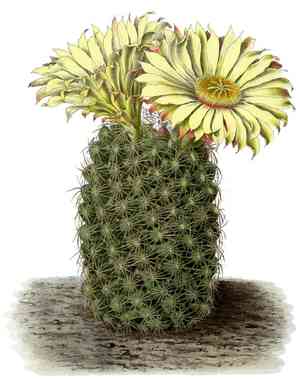
Velvet tree-pear, a species within the Cactaceae family, flourishes when reproduced via cuttings. To ensure successful cultivation, choose robust pads and permit them to form a callus for several days prior to embedding them in adequately draining substrate. This approach facilitates more rapid root formation and establishes velvet tree-pear more efficiently than alternative methods.
Optimal Period for Velvet Tree-pear Propagation
Propagation Method
Cutting
Propagation Period
Autumn,Winter
Essential Tools for Velvet Tree-pear Propagation
Sharp Gardening Shears
Designed for clean, precise cuts, sharp gardening shears are crucial for harvesting velvet tree-pear cuttings. Their keen blades ensure smooth cuts, preventing damage and infection at the cut site. This boosts rooting success by promoting better healing and reducing disease risk.
Rooting Hormone Powder
This hormone stimulates new root growth on cuttings, particularly beneficial for enhancing the rooting process of velvet tree-pear. Applying rooting hormone powder to the fresh cut base significantly increases the likelihood of successful root development, vital for velvet tree-pear's specific growth.
Cactus Potting Mix
A specialized potting mix for cacti, providing the ideal drainage and nutrient balance required by velvet tree-pear. This mix prevents root rot by improving water drainage and offers a stable base for the new plant, supporting effective rooting and growth.
Propagating Tray or Round Pots
Containers like trays or pots hold the growing medium (cactus potting mix) and cuttings. Their design ensures ample space and airflow around each cutting, crucial for velvet tree-pear's health during the critical rooting phase. Clean, properly sized containers help manage water and minimize disease spread.
Sterilizing Alcohol or Solution
Used to clean shears before and after taking velvet tree-pear cuttings, preventing pathogen transmission. This is vital for maintaining the health and viability of cuttings and existing plants, ensuring a sterile propagation environment.
How to Propagate Velvet Tree-pear?
Propagation Type
Moderately Difficult
Post-Propagation Care for Velvet Tree-pear
Post-Propagation Care for Velvet Tree-pear
After propagation, place the pot in an area with indirect, bright light. Water velvet tree-pear sparingly, only when the soil is completely dry, as overwatering can lead to root rot. As it grows, provide monthly cactus fertilizer during the growing season to encourage healthy growth. Avoid extreme temperatures and frost, as velvet tree-pear does not tolerate cold well. Monitor regularly for pests such as scale insects.
Common Errors to Avoid When Propagating Velvet Tree-pear
Overwatering cuttings
Watering velvet tree-pear cuttings too often can cause rot, especially since they need to callus before rooting. Velvet tree-pear stores water in its pads, making it prone to excess moisture.
Using non-sterile tools
Cutting velvet tree-pear with unsterilized tools can introduce pathogens, leading to infections that compromise cutting health and reduce propagation success.
Cutting incorrect pad sections
Choosing older, woody pads or very young, tender pads can hinder rooting. Older pads may not root efficiently, while younger pads may lack sufficient reserves for new growth.
Advice for Propagating Velvet Tree-pear
Allow cuttings to dry
Allowing velvet tree-pear cuttings to dry and form a callus at the cut ends for a few days before planting helps prevent rot and encourages healing, reducing infection risks and promoting rooting.
Use well-draining soil
Planting velvet tree-pear in a well-draining cactus mix or sandy soil facilitates proper drainage, vital for preventing water-related issues and creating an optimal environment for root development.
Appropriate pad selection
Choosing mature but not overly woody pads from velvet tree-pear ensures that the cuttings have enough vigor and stored nutrients to support successful rooting and initial growth.