
Velvet tree-pear (Opuntia tomentosa)
Also known as: Woolly Joint Prickly Pear, Nopal de Castilla
The name "Opuntia tomentosa" originates from the Latin term "tomentum," signifying "dense, matted, woolly hairs." Unlike many cacti that have spines, this species has green segments with a velvety texture thanks to the soft, fine hairs (trichomes) covering them. This cactus, commonly found in Central America, is also cultivated for harvesting cochineal insects used in producing carmine dye.
In This Article
Attributes of Velvet tree-pear
Lifespan
Perennial
Plant Type
Tree, Shrub
Plant Height
3 m to 8 m
Spread
1 to 3 meters (3.3 to 9.8 feet)
Leaf Color
Green Blue
Flower Size
4 cm to 5 cm
Flower Color
Red Orange
Images of Velvet tree-pear
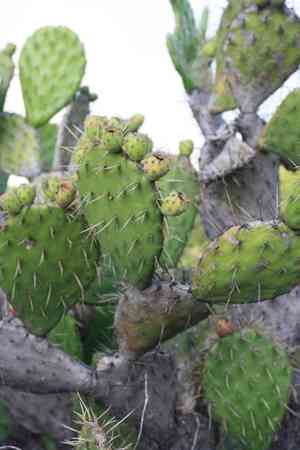
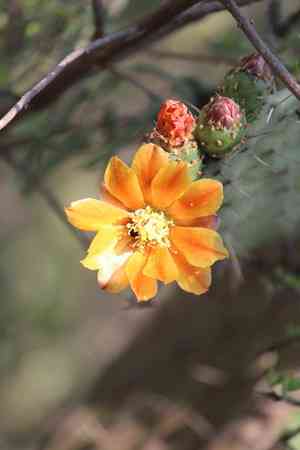
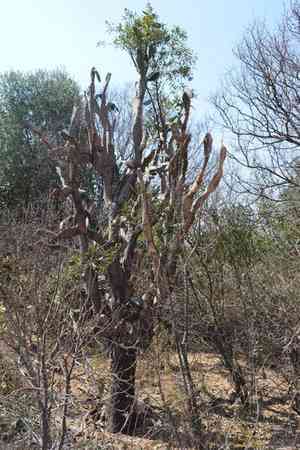
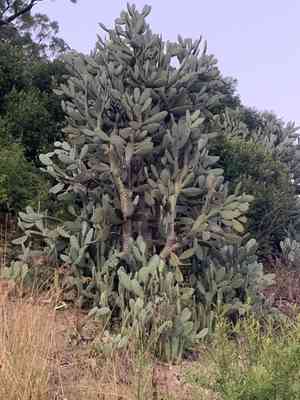
Quickly Identify Velvet tree-pear
1
To identify Opuntia tomentosa, look for its fuzzy, elongated pads which are covered with a fine, felt-like texture. The plant typically has bright yellow flowers and produces red fruits known as tunas.
Scientific Classification of Velvet tree-pear
Phylum
Vascular plants
Class
Dicotyledons
Order
Caryophyllales
Family
Cactuses
Genus
Prickly pear
Species
Velvet tree-pear
Planting and Growing of Velvet tree-pear
Care Difficulty
Easy
Watering Schedule
Every 2 days
Sunlight Requirements
Full sun
Sunshine Duration
4-6 hours
Ideal Temperature
60-80℉
Soil Type
Potting Mix, Peat Mix
Soil pH
6.5-7.5
Fertilizer Type
Balanced
Pruning Season
Spring, Summer
Pruning Area
Branches, Leaves
Pruning Frequency
2 times a year
Repotting Season
Spring
Pot Type
Plastic, Ceramic
 How to Water Velvet tree-pear?
Opuntia tomentosa, commonly known as Velvet Prickly Pear, requires a conservative watering amount. Each session should involve 200ml of water. The aim is to slightly moisten the soil without waterlogging, allowing the top 1-2 inches to dry out before the next watering cycle.
What are the symptoms of an underwatered Velvet tree-pear?
›
What should I do if my Velvet tree-pear is not getting enough water?
›
What are the symptoms of an overwatered Velvet tree-pear?
›
How to save an overwatered Velvet tree-pear?
›
 What Are the Sunlight Requirements for Velvet tree-pear?
Opuntia tomentosa thrives in a setting characterized by full to partial sunlight. Providing this ideal range boosts its photosynthetic processes, resulting in enhanced growth and increased flowering potential.
More About Sunlight Requirements Techniques→
What is the best type of sunlight for Opuntia tomentosa?
›
How can I ensure optimal sunlight exposure?
›
What are the benefits of proper sunlight for Opuntia tomentosa?
›
 What Is the Ideal Temperature Range for Velvet tree-pear?
Opuntia tomentosa, commonly known as the woolly prickly pear, thrives best in temperatures ranging from 60 to 80°F. This range ensures that the plant can photosynthesize effectively and maintain healthy growth rates. Outside these temperatures, growth may be slowed down or result in stress to the plant.
 What Soil is Best for Velvet tree-pear?
Opuntia tomentosa thrives in soil that provides excellent drainage. This helps prevent waterlogged conditions which can lead to root rot and other diseases, ensuring the plant remains healthy and vigorous. While Opuntia tomentosa is not overly demanding, a soil enriched with nutrients supports optimal growth and flowering. This can be achieved by mixing in well-aged compost or a balanced fertilizer during planting. Preferring slightly dry conditions, Opuntia tomentosa can suffer if planted in overly moist soil. Ensuring moderate soil dryness promotes resilience and mimics its natural habitat, which aids in maintaining its structural integrity.
 How to Fertilize Velvet tree-pear?
Opuntia tomentosa requires a moderate amount of fertilizer. When using liquid fertilizers, the solution should be diluted to half the recommended strength on the package, typically around 1/2 teaspoons per gallon of water. For slow-release fertilizers, use approximately 1 tablespoon per plant for each application. It’s important to avoid over-fertilizing to prevent root burn or other issues.
 How to Prune Velvet tree-pear?
Begin by wearing thick gloves to protect against the cactus spines. Use sterilized pruning shears to remove any dead or damaged pads. Aim to cut at the joint where the pad connects to the main plant, which helps the cactus heal better and minimizes stress. To maintain a desirable shape or prevent overgrowth, carefully trim back any overly long or protruding pads. If the plant is becoming top-heavy or lopsided, selectively prune to create a balanced form, prioritizing older pads for removal first.
More About Pruning Techniques→
 How to Propagate Velvet tree-pear plant?
1
Harvest mature fruits from a healthy Opuntia tomentosa plant. Remove the pulp and clean the seeds thoroughly with water. Allow the seeds to dry before planting to ensure better germination rates.
2
Cut a healthy pad or segment from the parent plant with sterilized tools. Ensure the selected cutting is free from disease and has adequate size. Allow it to callous over for a few days before planting.
3
For seeds, use a well-draining soil mix and sow them just beneath the surface. For cuttings, plant the calloused end into a suitable potting mix. Water sparingly to prevent rot.
 How to Repot Velvet tree-pear plant?
1
For Opuntia tomentosa, the right time to repot is when roots become visible through the drainage holes, or the plant seems top-heavy, indicating it has outgrown its current home. Signs such as slow growth, a lack of flowering, or roots growing in circles suggest that it's time for a new pot.
2
Select a pot that is slightly larger than the current one, ensuring it has drainage holes to prevent waterlogging. Opt for clay or terracotta pots which allow for better air exchange at the roots. A good pot provides stability and adequate drainage, crucial for the health of Opuntia tomentosa.
3
Use a cactus-specific soil mix that is light and well-draining. Adding some sand or perlite can further enhance drainage. This type of soil prevents water retention, which could lead to root rot, thus ensuring a healthy growth environment for your plant.



