How to Prune Velvet tree-pear?
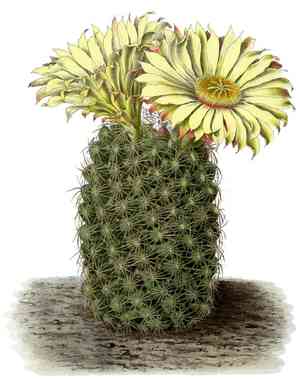
This prickly and soft cactus, velvet tree-pear, thrives with judicious trimming to eliminate impaired or superfluous pads, preserve its form, and stimulate blooming. Perform pruning in winter while velvet tree-pear is inactive. Employ sanitized, keen implements to sever at the pad connections, donning gloves for safety. Trimming not only improves its look but also fosters robust new development and can deter pests and illnesses by enhancing air movement.
What Are the Benefits of Pruning Velvet Tree-pear?
What Are the Benefits of Pruning Velvet Tree-pear?
Trimming velvet tree-pear promotes vigorous development and maintains its desired shape. This process eliminates dead or diseased branches, enhances air circulation, and allows sunlight to reach inner foliage.
What Is the Best Time for Pruning Velvet Tree-pear?
What Is the Best Time for Pruning Velvet Tree-pear?
Pruning velvet tree-pear in late winter to early spring, prior to the new growth season, ensures the plant has time to recover and direct energy towards producing new, healthy growth. This timing minimizes stress on velvet tree-pear as it remains dormant and not actively growing, reducing the risk of shock from pruning. Furthermore, this allows gardeners to easily identify and remove any dead or damaged tissues affected by winter conditions, which helps maintain the overall health and structure of velvet tree-pear. Pruning before the flowering period also ensures that the plant's energy is not wasted on parts that will be removed and can be redirected to new growth and blossoming.
What Tools Do I Need to Prune Velvet Tree-pear?
Heavy-duty Pruning Shears
These are crucial for cutting through the fleshy pads of velvet tree-pear. Due to the plant's succulent nature, shears must be sharp to make clean cuts and avoid crushing the tissue.
Pruning Saw
If velvet tree-pear has developed thick, woody stems, a pruning saw is necessary. It allows for cutting larger diameter branches that shears cannot handle.
Long-handled Loppers
These can be used to reach higher or deeper into the plant without getting too close. Velvet tree-pear is known to have glochids, tiny barbed spines, which can cause irritation upon contact.
Gardening Gloves
Thick, protective gloves are important to protect hands from the spines and glochids of velvet tree-pear during the pruning process.
Tongs
This tool can be used to hold and dispose of trimmed pads safely, further reducing the risk of coming into contact with the spines.
How to Prune Velvet Tree-pear
Safety gear
Wear thick gloves and long sleeves to protect against velvet tree-pear's spines when pruning.
Clean tools
Sanitize pruning shears or a saw with a solution of bleach and water to prevent the spread of disease.
Dead branches
Identify and remove dead branches by cutting at the base where they connect to a healthy section, ensuring a clean cut without tearing.
Diseased branches
Prune diseased branches by cutting well below the affected area, disposing of them to prevent contamination.
Post prune care
Apply a fungicide to the cut surfaces to prevent infections in velvet tree-pear, avoiding water on the wounds immediately after pruning.
Common Pruning Mistakes with Velvet Tree-pear
Over pruning
Removing too much vegetation can stress velvet tree-pear, leading to poor health or stunted growth.
Using dull tools
Dull or unclean pruning tools can damage velvet tree-pear's pads and introduce diseases.
Tearing pads
Incorrect cutting technique may result in pads being torn from the plant, potentially causing injury to velvet tree-pear.
Ignoring diseased areas
Failing to remove diseased or damaged pads can allow problems to persist or spread throughout velvet tree-pear.
Pruning too close
Cutting too close to the base of the pad can harm the areoles, the points from which new pads or flowers emerge.
Lack of personal protection
Not wearing gloves and protective clothing can result to injuries from velvet tree-pear's spines.
Common Pruning Tips for Velvet Tree-pear
Sharp clean tools
Use sharp and sterile pruning tools to make clean cuts on velvet tree-pear, reducing the risk of disease.
Pad removal technique
Cut the pads at the joint, not in the middle of a pad, to promote faster healing and reduce stress to velvet tree-pear.
Disposal of prunings
Properly dispose of pruned pads to prevent pests or diseases from affecting velvet tree-pear.
Considering plant shape
Prune with the shape of velvet tree-pear in mind to maintain an aesthetically pleasing form while fostering healthy growth.
Watering after pruning
Avoid watering velvet tree-pear immediately after pruning, as the wounds need time to heal before being exposed to moisture.
Disease inspection
Regularly inspect velvet tree-pear for signs of disease or pests, and prune affected areas promptly to keep the plant healthy.