How to Transplant Beavertail cactus?
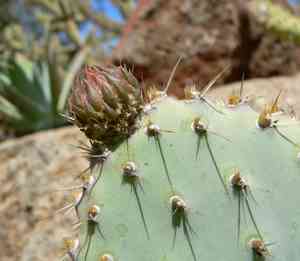
The optimal period for transplanting beavertail cactus is early spring, facilitating a smooth adjustment. Select locations bathed in sunlight with superior drainage to accommodate beavertail cactus, replicating its natural dry environment. A helpful tip: delicate manipulation is crucial to prevent root trauma.
What Preparations are Needed Before Transplanting Beavertail Cactus?
What is the Ideal Time for Transplanting Beavertail Cactus?
The perfect period for moving beavertail cactus is at the start of spring, when new growth is just beginning. This timing ensures that mild temperatures and increasing daylight support root development, setting the stage for strong growth. Embrace this time as it provides your beavertail cactus a smooth transition to its new home, promising a future of thriving beauty under your care.
How Much Space Should You Leave Between Beavertail Cactus Plants?
For beavertail cactus, it's crucial to provide ample room for each plant to flourish. Ideally, space your plants approximately 5-6 feet (1.5-1.8 meters) apart. This spacing allows them to expand and grow without competing for essential resources.
What is the Best Soil Mix for Beavertail Cactus Transplanting?
Beavertail cactus thrives in well-draining soil with a slightly sandy composition. A low-nitrogen base fertilizer would be perfect. Preparing your soil with these elements will help your beavertail cactus establish quickly and grow vigorously.
Where Should You Relocate Your Beavertail Cactus?
When choosing a location to transplant your beavertail cactus, seek an area with full sun exposure. Beavertail cactus enjoys basking in sunlight and can withstand high heat, so a sunny spot in your garden would be optimal.
What Equipments Should You Prepare Before Transplantation Beavertail Cactus?
Gardening Gloves
These will protect your hands from potential thorns when handling the cactus and from moisture while working with the soil.
Shovel/Spade
You'll use this tool to carefully excavate the beavertail cactus from its current position.
Pruners
To trim roots or remove any dead plant parts if necessary.
Garden Trowel
To dig the hole for the transplant.
Watering Can
To irrigate the beavertail cactus after it has been transplanted.
Garden Cart/Wheelbarrow
Useful for moving the beavertail cactus from its original spot to the new planting site, especially if the plant is large.
How Do You Remove Beavertail Cactus from the Soil?
How Do You Remove Beavertail Cactus from the Soil?
From Ground: First, water the beavertail cactus to moisten the surrounding soil, making removal easier. Then, using a shovel or spade, slowly and carefully dig around the cactus to expose its root system. Once the roots are visible, gently work the shovel beneath them to lift the beavertail cactus from its initial location.From Pot: If the beavertail cactus is in a container, begin by watering the plant until the soil is damp. Turn the pot on its side, grasp the plant at its base, and try to gently ease it out. Avoid pulling or yanking to prevent root damage.From Seedling Tray: If the beavertail cactus is in a seedling tray, water it first to moisten the soil. Then carefully lift the beavertail cactus out by holding it from the base, taking care to avoid damaging the roots.
Step-by-Step Guide for Transplanting Beavertail Cactus
Transplant Hole
Dig a hole using a garden trowel at the chosen site that is large enough for the beavertail cactus's root ball. The hole should be the same depth as the root ball but one and a half times wider.
Planting
Gently place the beavertail cactus into the hole and adjust its position so it stands upright. Ensure the beavertail cactus's base is level with or slightly above the ground surface. Refill the hole with the original soil, being careful not to bury the base of the beavertail cactus.
Watering
Immediately after planting, thoroughly water the beavertail cactus, ensuring the soil becomes sufficiently moist. This will help settle the soil around the cactus.
How Do You Care For Beavertail Cactus After Transplanting?
Watering
Keep the soil slightly damp, but be careful not to overwater, especially during the first few weeks after transplanting to help the beavertail cactus establish new roots.
Protection
Shield the newly transplanted beavertail cactus from harsh weather conditions, such as strong winds or intense sunlight, for the initial few weeks until it becomes well-established. A shade cloth or windbreak can be used if necessary.
Checkup
Regularly inspect the beavertail cactus for any indications of stress or disease, and take appropriate action if you notice anything unusual.
Troubleshooting Common Issues with Beavertail Cactus Transplantation.
What's the best time of year to transplant beavertail cactus?
The ideal transplanting period is during S1-S2. This allows beavertail cactus ample time to develop roots before the more demanding growing seasons.
How far apart should I space my beavertail cactus plants when transplanting?
Maintain a distance of approximately 5-6 feet (1.5-1.8 meters) between each beavertail cactus. This helps them grow without competing for resources.
How do I prepare the soil for transplanting beavertail cactus?
Ensure the soil drains effectively. Incorporate some sand or small gravel if needed. Beavertail cactus prefers soil that isn't excessively rich in organic matter.
Is it necessary to water beavertail cactus immediately after transplanting?
Wait about a week before watering to allow beavertail cactus's roots to settle and recover. Excessive water can lead to rot.
How deep should I plant the beavertail cactus?
Plant beavertail cactus so that its base is level with the surrounding soil. Avoid burying it too deeply as this can cause rot.
What to do if the transplanted beavertail cactus is starting to wilt?
Wilting often indicates water stress. Check the soil's moisture level. If dry, water thoroughly; if wet, allow it to dry out.
What's the correct method to remove beavertail cactus from its current position?
Gently loosen the soil and use a spade to dig around the root area. Lift it out carefully, ensuring you don't damage the roots.
What should I do if my transplanted beavertail cactus's leaves are turning yellow?
Yellow leaves could signal overwatering or insufficient sunlight. Evaluate these conditions and adjust accordingly.
How should I care for beavertail cactus after transplanting?
Maintain a consistent watering schedule after the first week, ensure adequate sunlight exposure, and avoid excessive fertilization for optimal results.
Why is my beavertail cactus not blooming after transplanting?
Blooming might be delayed due to the stress of transplantation. Give it time and ensure you're providing the correct care for its recovery.



