How to Propagate Beavertail cactus?
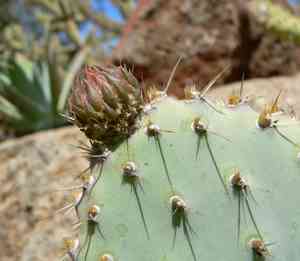
Originating from the Southwestern United States, the beavertail cactus is a succulent species highly amenable to propagation via cuttings for successful cultivation. For propagation, choose a robust pad and permit the severed end to form a callus over approximately seven days prior to embedding it in a substrate that drains effectively. After planting the pad, ensure steady hydration without saturating the soil, thereby guaranteeing ideal circumstances for root formation. Diffused illumination fosters superior development for juvenile beavertail cactus, which, under these conditions, matures into a vigorous new specimen.
Optimal Time for Beavertail Cactus Propagation
Propagation Method
Cuttings
Propagation Period
Spring,Summer
Tools Required for Beavertail Cactus Propagation
Sharp, sterile pruning shears or knife
These implements are vital for making clean cuts when segmenting beavertail cactus for propagation. A keen, sanitized blade ensures a precise incision, minimizing plant tissue damage, reducing infection risk, and fostering healthier, quicker rooting. Tool sterility is especially crucial to prevent pathogen spread to fresh cuts.
Gloves
Given the spiny nature of beavertail cactus, wearing robust gloves is essential to safeguard hands during handling. Gloves must be durable enough to prevent spine penetration, ensuring the propagator's safety while manipulating the plant for cuttings.
Rooting hormone (optional)
Applying a rooting hormone to the severed end of the beavertail cactus segment can boost root formation. While not always mandatory, using rooting hormone can significantly improve the likelihood of successful rooting, particularly in suboptimal environmental conditions.
Cactus potting mix
A well-draining cactus potting mix is critical for successful beavertail cactus propagation. This specialized substrate offers the correct moisture retention and drainage needed by beavertail cactus to prevent root rot and support new root development from cuttings.
Pots with drainage holes
Suitable for planting beavertail cactus cuttings, these containers allow excess water to escape, which is vital for root health. Drainage holes help maintain optimal moisture levels, crucial for preventing root diseases common in poorly drained soils.
Steps to Propagate Beavertail Cactus
Propagation Difficulty
Easy
Post-Propagation Care for Beavertail Cactus
Post-Propagation Care for Beavertail Cactus
Following successful propagation, continue to water beavertail cactus sparingly, only when the soil has completely dried. Keep the plant in bright light, with some direct sun for optimal growth. Shield from frost and extreme cold. Regularly inspect for and treat any signs of pests or diseases. As beavertail cactus matures, it may need repotting or further propagation to manage its size.
Common Errors to Avoid When Propagating Beavertail Cactus
Overwatering
Excessive moisture in beavertail cactus's soil can lead to root rot, as this species is drought-tolerant and surplus water may cause fungal issues.
Incorrect soil mixture
A soil medium that retains too much water can be harmful to beavertail cactus, as it requires a well-draining mix to mimic its natural arid habitat.
Improper cutting technique
Cuttings should be made cleanly without tearing plant tissue. Torn tissues can attract pathogens and hinder rooting.
Cuttings from unhealthy plants
Using cuttings from diseased or stressed beavertail cactus increases the chance of propagation failure due to poor plant vitality.
Failing to allow cuttings to callous
Cuttings require time to form a protective layer over the cut surface before planting to prevent decay.
Incorrect cutting size
Beavertail cactus cuttings that are too small may lack sufficient reserves for rooting, while overly large ones might take longer to establish.
Tips for Propagating Beavertail Cactus
Use a sharp, clean tool
This prevents infection and promotes healthy healing of the cut surface on beavertail cactus.
Allow cuttings to callous
Letting cuttings dry and form a callus over several days to a week prevents rot and supports better root development.
Choose healthy parent plants
Selecting cuttings from robust, disease-free beavertail cactus increases the likelihood of successful propagation.
Provide plenty of light
While avoiding direct midday sun, ensure cuttings receive ample bright light to encourage rooting.
Water sparingly
Beavertail cactus cuttings need minimal watering; waiting until the soil is dry before providing more water is ideal for root development.
Use an appropriate soil mix
A blend of potting soil with sand or perlite improves drainage and replicates beavertail cactus's native conditions.



