Enhancing Your Garden Design with the Beavertail cactus Plant: A Landscaping Guide
1
The Beavertail cactus flourishes in sandy soil and bright areas, making it ideal for dry climates.
2
Being a plant that tolerates dry conditions, the Beavertail cactus needs little water after it's rooted.
3
The Beavertail cactus can draw in native animals like pollinators, enhancing your garden's variety of life.
Introducing Beavertail Cactus in Garden Design
Appreciating the visual appeal of Beavertail cactus
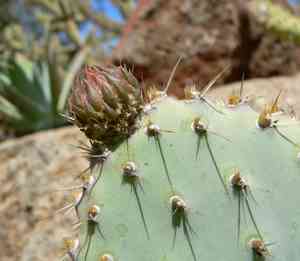
The Beavertail cactus immediately captures attention with its distinctive and striking look. This cactus features flat, wide pads that display colors from bluish-gray to vivid green, often adorned with beautiful pink blooms during its flowering season. Its unique, paddle-shaped pads give the Beavertail cactus a contemporary, sculptural quality that can instantly enhance any garden's aesthetic. Whether you desire a modern or classic feel, the Beavertail cactus's adaptable appearance makes it an excellent addition to various landscape styles.
The role of Beavertail cactus in contemporary landscape designs
In modern landscape architecture, the Beavertail cactus plays a crucial role due to its minimalist yet impactful design. Its structural form can add depth and dimension to a garden layout, making it especially popular in xeriscapingâa landscaping approach designed for arid environments. Landscape designers increasingly use Beavertail cactus to create compelling visual contrasts within garden schemes, pairing it with other plants that emphasize its unique characteristics. The cactus can serve as a stunning focal point or a complementary element in beds and borders, demonstrating its versatility in diverse garden aesthetics.
Advantages of Incorporating Beavertail Cactus into Your Garden
Low maintenance yet visually impressive
Beavertail cactus exemplifies a plant that delivers significant visual impact with minimal care requirements. This cactus species is remarkably resilient, capable of flourishing in poor soil conditions where other plants might struggle. Its modest watering needs and resistance to pests and diseases make it an effortless plant for both novice and experienced gardeners. Its striking appearance ensures your garden remains vibrant and attractive year-round, without demanding constant attention.
Drought resilience: Perfect for xeriscapes
A key characteristic of Beavertail cactus is its exceptional drought tolerance, making it an ideal selection for xeriscaping. Xeriscaping is a water-saving landscaping method that employs drought-resistant plants to create sustainable and appealing gardens. The Beavertail cactus's capacity to store water in its pads enables it to endure extended dry spells, reducing the need for supplementary irrigation. This not only conserves water but also lowers water expenses and maintenance time, making your garden both environmentally friendly and economical.
Boosting biodiversity by attracting local fauna
Adding Beavertail cactus to your garden can significantly boost local biodiversity. The flowers of Beavertail cactus are known to draw various pollinators, including bees and butterflies, contributing to the health and diversity of your garden ecosystem. Furthermore, its pads can offer shelter and sustenance for numerous small animals and insects. By integrating Beavertail cactus into your landscaping, you're not just beautifying your space; you're also establishing a mini-habitat that supports local wildlife, fostering a thriving, balanced garden ecosystem.
Design Concepts Featuring Beavertail Cactus
Creating focal points with Beavertail cactus
An effective way to use Beavertail cactus in your landscaping is by establishing focal points. Its distinctive, sculptural shape can draw the eye and act as a natural centerpiece in your garden. Position Beavertail cactus in a prominent spot where its unique form and seasonal flower blooms can be fully appreciated. Whether surrounded by gravel, mulch, or a variety of smaller plants, Beavertail cactus stands out and adds an artistic flair to your garden design.
Plant pairings for visual contrast
To maximize the unique aesthetics of Beavertail cactus, consider combining it with other plants to generate striking contrasts. For instance, pairing Beavertail cactus with grasses, succulents, or flowering perennials can emphasize its form and color. The key is to select companion plants that thrive in similar conditionsâthose that can tolerate dry soil and ample sunlight. This approach not only enhances your garden's visual dynamism but also ensures all your plants flourish together.
Utilizing Beavertail cactus in rock gardens and gravel beds
Another excellent method to incorporate Beavertail cactus into your landscape design is by including it in rock gardens or gravel beds. The cactus's rugged, resilient nature makes it a perfect fit for these environments. The neutral tones of rocks and gravel can highlight the vibrant greens and pinks of Beavertail cactus, creating a visually captivating and low-maintenance garden feature. Additionally, rock beds aid in drainage, ensuring that Beavertail cactus remains healthy and robust.
Practical Advice for Planting and Positioning Beavertail Cactus
Optimal soil conditions and light exposure
For best growth, Beavertail cactus should be planted in well-drained soil with a sandy or gravelly texture. This prevents waterlogging, which can lead to root rot. Moreover, Beavertail cactus thrives in full sun, so select a location in your garden that receives abundant sunlight throughout the day. These conditions mimic the cactus's natural habitat, ensuring it grows healthy and vibrant.
Spacing for ideal growth and visual impact
When planting Beavertail cactus, it's crucial to consider spacing to allow for adequate growth and air circulation. Position individual plants approximately 2 to 3 feet apart to give them room to expand. Proper spacing also helps reduce the risk of fungal infections and allows each plant's unique shape to be fully appreciated without being overcrowded by its neighbors.
Seasonal considerations for planting Beavertail cactus
While Beavertail cactus is tough and drought-resistant, planting it at the correct time can ensure better establishment. The ideal time to plant Beavertail cactus is during spring or early autumn when temperatures are moderate. Avoid planting during periods of extreme heat or cold, as these conditions can stress young plants. Providing a good start will help your Beavertail cactus thrive and enhance its resilience to adverse conditions.



