How to Transplant Common sainfoin?
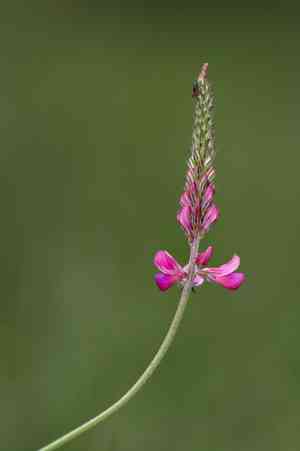
The most suitable period for relocating common sainfoin is during the revitalization of spring, from its initial gentle emergence until the onset of summer's heat. Select locations bathed in sunlight with effective drainage to accommodate its root development. Bear in mind, common sainfoin prospers when given ample space to growâproper spacing is crucial.
Essential Preparations Before Relocating Common Sainfoin
Optimal Timing for Transplanting Common Sainfoin
The ideal period to introduce common sainfoin to your garden is from the start of warmth in early to mid-spring. This timeframe is perfect as it allows common sainfoin to establish its root system before the peak of summer. Furthermore, transplanting during this window leverages spring's mild temperatures and ample moisture, aiding common sainfoin in adapting and flourishing in its new spot. A helpful hint: ensure the soil is enriched with a good mix of compost to provide common sainfoin with all the necessary nutrients for post-transplant growth!
Recommended Spacing Between Common Sainfoin Plants
Ready to enhance your garden? When moving common sainfoin, aim for a comfortable, uncrowded arrangement! Target a distance of 12-18 inches (30-46 cm) between each plant. This spacing helps common sainfoin establish well without competing for vital nutrients and sunlight.
Optimal Soil Blend for Common Sainfoin Transplanting
Establish the perfect base for common sainfoin! Combine garden soil with compost to create a nutrient-rich bed. Strive for well-draining soil and boost initial growth by incorporating a balanced, slow-release fertilizer. Properly prepared soil will help common sainfoin thrive.
Choosing the New Location for Your Common Sainfoin
Select a sunny area in your garden where common sainfoin can enjoy full sunlight for most of the day. This is vital as abundant sunshine promotes healthy growth for common sainfoin. Ensuring a perfectly sun-drenched location promises successful planting days ahead!
Equipment Needed Before Transplanting Common Sainfoin
Shovel or Garden Spade
To carefully excavate the common sainfoin plant without harming its root ball when extracting it from its original position.
Watering Can or Hose
To hydrate the common sainfoin plant both prior to and following transplantation to minimize stress.
Gardening Gloves
To safeguard your hands while working with the soil and the plant.
Wheelbarrow or Plant Dolly
To move the common sainfoin plant from one spot to another, especially if it is heavy or large.
Pruning Shears
To gently trim any damaged roots or foliage.
Tape Measure
To accurately gauge the appropriate spacing when planting multiple common sainfoin plants.
Method for Removing Common Sainfoin from the Soil
Method for Removing Common Sainfoin from the Soil
From Ground: First, moisten the common sainfoin plant to soften the soil, making root removal easier. Use a shovel or garden spade to dig a wide circle around the plant, leaving ample space for the root ball. Carefully slide the spade beneath the plant to lift it from its original spot, ensuring the root ball stays intact and minimizing root disturbance.From Pot: Gently tilt the container sideways and tap its bottom and sides to loosen the common sainfoin plant. Support the plant's base with your hand, spreading your fingers around the stem, and rotate it out of the pot, being careful not to pull forcefully.From Seedling Tray: Water the seedlings thoroughly so they can be removed more easily. Gently push the seedling from below the tray while supporting the plant from the top with your other hand. Plant each seedling carefully to avoid damaging the delicate roots and shoots.
Detailed Guide for Transplanting Common Sainfoin
Prepare the New Location
Excavate a hole at the new site that is twice as wide and equally deep as the common sainfoin plant's root ball. This facilitates easy root expansion into the soil.
Examine the Roots
Before planting, verify the common sainfoin's roots are healthy. Trim any broken or excessively long roots with clean pruning shears.
Planting Procedure
Position the common sainfoin plant in the center of the prepared hole, gently spreading its roots. The top of the root ball should be level with the surrounding soil. Backfill the hole with soil, gently firming it down as you proceed.
Thorough Watering
Once planted, water the common sainfoin extensively to settle the soil around the roots and eliminate air pockets. This step is crucial for the plant's establishment.
Provide Support if Needed
If the common sainfoin plant is tall or top-heavy, insert a stake next to it and secure it with soft plant ties or cloth strips to offer support without harming the stem.
Post-Transplant Care for Common Sainfoin
Mulching
Apply a layer of mulch around the base of the common sainfoin to help retain moisture, stabilize soil temperature, and reduce weed growth.
Growth Monitoring
Observe the common sainfoin closely over the next few weeks, looking for signs of stress, such as wilting or discolored leaves. This vigilance will help you address any issues promptly.
Targeted Watering
Until the common sainfoin is established, provide additional water during dry spells. The aim is to keep the soil consistently moist but not waterlogged, encouraging roots to grow into the surrounding soil.
Staking Adjustments
Adjust supports as the common sainfoin grows to ensure it remains stable and is not constricted by any ties as its stem thickens.
Resolving Common Issues During Common Sainfoin Transplantation
When is the best time to transplant common sainfoin seedlings?
The prime period for relocating common sainfoin is during spring's gentle touch, from early to late spring.
What spacing should I use for common sainfoin when transplanting?
Aim for a comfortable distance of 12-18 inches (30-45 cm) between each common sainfoin, allowing ample room to thrive.
How deep should the planting hole be for common sainfoin?
Excavate a hole that is comfortably twice the size of the root ball, providing common sainfoin with a secure underground sanctuary.
Does common sainfoin require special soil amendments when transplanting?
Treat common sainfoin with well-draining soil, enriched with organic matter to ensure a successful transplanting experience.
What is the ideal soil pH for transplanting common sainfoin?
Target a neutral pH of approximately 7.0, where common sainfoin can flourish and absorb balanced nutrients.
How much should I water common sainfoin after transplanting?
Post-transplant, water common sainfoin generously to moisten the soil, but avoid excessive puddles, mimicking a gentle rainfall.
How do I handle common sainfoin roots when transplanting?
Gently untangle common sainfoin's roots while envisioning future growth, avoiding any force that might cause breakage.
Why are my transplanted common sainfoin wilting?
This could be transplant shock. Provide them with shade, water, and encouraging attention until they recover.
Can common sainfoin be transplanted in summer or fall?
It's best to await spring's embrace. Summer or fall relocation might stress common sainfoin, leading to a less successful transplant.
Should I use fertilizer immediately after transplanting common sainfoin?
Withhold immediate feeding. Allow common sainfoin to settle for a few weeks before introducing fertilizers.



