The Common sainfoin Plant Advantage: Maximizing Home and Office Appeal and Wellness
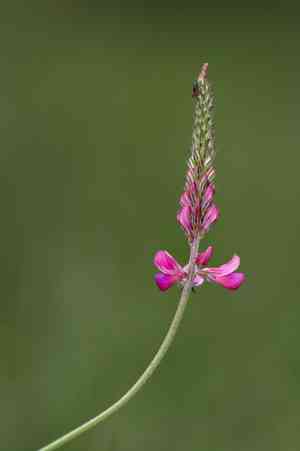
1
Sainfoin improves ground richness via its extensive root network.
2
Sainfoin offers a rich protein source for animal consumption.
3
Sainfoin aids pollinator numbers with its appealing blossoms.
How Does Common sainfoin Enhance Soil Quality?
Elevated Soil Fertility
Common sainfoin possesses a deep root system, penetrating the earth more profoundly than numerous other crops. This action not only aids in breaking up compacted soil layers but also transports nutrients from deeper strata to the surface. This process significantly boosts soil fertility, rendering the land more productive for subsequent plantings. Furthermore, the extensive roots improve water penetration and lessen erosion, contributing to overall soil well-being.
Nitrogen Fixation
A primary advantage of Common sainfoin is its capacity to fix atmospheric nitrogen. As a leguminous plant, it forms symbiotic relationships with nitrogen-fixing bacteria within its root nodules. This mechanism converts atmospheric nitrogen into a usable form for plants, enriching the soil with this vital nutrient. Consequently, cultivators can decrease their dependence on synthetic fertilizers, leading to more environmentally sound agricultural methods.
Why is Common sainfoin an Excellent Animal Feed?
High Protein Content
Common sainfoin is highly valued as a forage crop due to its substantial protein levels. Livestock such as cattle, sheep, and goats greatly benefit from its nutrient-rich profile, which supports growth, reproduction, and general health. The protein content in Common sainfoin can rival that of more frequently utilized legumes, offering a superb alternative or supplement in animal diets.
Improved Digestibility
Beyond its high protein content, Common sainfoin is recognized for its superior digestibility. This is vital for livestock as it ensures efficient nutrient absorption and promotes better health outcomes. The plant's fibrous structure is well-balanced, providing adequate roughage without compromising ease of digestion. Farmers appreciate this characteristic as it results in healthier, more productive animals.
What Ecological Advantages Does Common sainfoin Provide?
Supporting Pollinators
Common sainfoin's blossoms are not merely attractive; they also serve as a crucial resource for pollinator species. Bees, butterflies, and other pollinating insects are drawn to the plant's vibrant flowers. By supplying a rich source of nectar and pollen, Common sainfoin supports the health and populations of these essential creatures. Enhancing pollinator habitats is critical for maintaining biodiversity and ensuring the productivity of various crops that depend on these insects for pollination.
Reducing Greenhouse Gas Emissions
The cultivation of Common sainfoin can help decrease greenhouse gas emissions in agriculture. By fostering soil health and lessening the need for synthetic fertilizers, Common sainfoin contributes to a lower carbon footprint for farming operations. Its role in nitrogen fixation means fewer emissions linked to the production and application of chemical fertilizers. Additionally, the plant's deep roots can sequester carbon, further mitigating the effects of climate change.
How Does Common sainfoin Promote Sustainable Agriculture?
Crop Rotation and Diversity
Integrating Common sainfoin into crop rotations is a practice that enhances agricultural sustainability. The plant's capacity to improve soil fertility and structure makes it an ideal precursor for other crops. By rotating Common sainfoin with cereals or other cash crops, farmers can naturally manage soil health and pest pressures, reducing reliance on chemical interventions. This diversity in cropping systems strengthens the resilience of the farm ecosystem.
Weed Suppression
Common sainfoin also aids in weed suppression, a key aspect of sustainable farming. Its dense canopy and vigorous growth outcompete many common weeds, diminishing the need for herbicides. This not only lowers the environmental impact of farming but also reduces costs for farmers. The plant's ability to persist through various seasons further enhances its effectiveness in managing weed populations.



