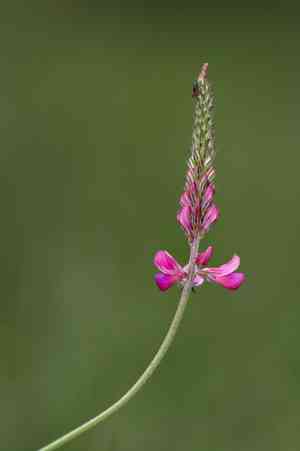
Common sainfoin (Onobrychis viciifolia)
Also known as: Holy clover
**Common sainfoin (Onobrychis viciifolia)** is a tall, perennial herbaceous legume that flowers in both spring and fall. Its pink-striped blossoms grow in clusters along the stems and are particularly attractive to various bee species. The plant produces seed pods with small spikes that can attach to animal fur, aiding in the dispersal of seeds to new areas.
In This Article
Attributes of Common sainfoin
Lifespan
Perennial
Plant Type
Herb
Plant Height
40 cm to 80 cm
Spread
60 cm
Leaf Color
Green
Flower Size
1.5 cm to 3 cm
Flower Color
Pink
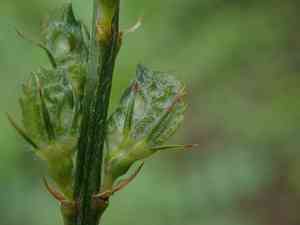
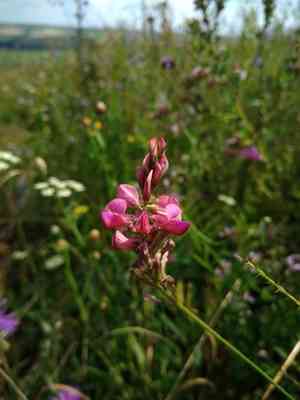
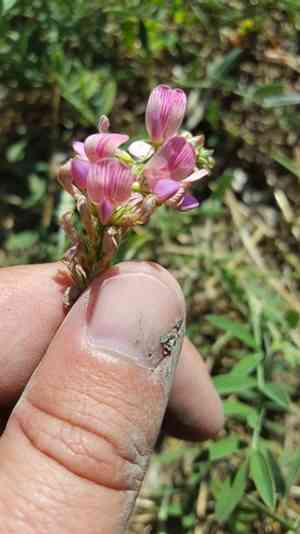
Images of Common sainfoin

Quickly Identify Common sainfoin
1
Identify Onobrychis viciifolia by its compound leaves with numerous lanceolate leaflets, characteristic pink to purple spikes of flowers, and distinctive cylindrical seed pods.
Scientific Classification of Common sainfoin
Phylum
Vascular plants
Class
Dicotyledons
Order
Fabales
Family
Legume
Genus
Sainfoins
Species
Common sainfoin
Planting and Growing of Common sainfoin
Care Difficulty
Easy
Watering Schedule
Every 3 days
Sunlight Requirements
Full sun
Sunshine Duration
6-8 hours
Ideal Temperature
60-75℉
Soil Type
Potting Mix, Peat Mix
Soil pH
6.5-7.5
Fertilizer Type
Balanced
Pruning Season
Spring, Summer
Pruning Area
Branches, Leaves
Pruning Frequency
2 times a year
Repotting Season
Spring
Pot Type
Terracotta, Plastic
 How to Water Common sainfoin?
For Onobrychis viciifolia, it's ideal to water deeply but infrequently. Ensure the water penetrates at least 6 inches into the soil, mimicking a natural rain pattern. This will promote deep root growth, making the plant more drought-tolerant.
What are the symptoms of an underwatered Common sainfoin?
›
What should I do if my Common sainfoin is not getting enough water?
›
What are the symptoms of an overwatered Common sainfoin?
›
How to save an overwatered Common sainfoin?
›
 What Are the Sunlight Requirements for Common sainfoin?
Onobrychis viciifolia thrives in full sunlight, which significantly boosts its photosynthetic capacity and flowering potential, ensuring vigorous and healthy growth.
More About Sunlight Requirements Techniques→
What is the best lighting for Onobrychis viciifolia?
›
How to ensure adequate sunlight indoors?
›
What benefits arise from ideal lighting?
›
 What Is the Ideal Temperature Range for Common sainfoin?
Onobrychis viciifolia thrives best in temperate climates where the temperature stays between 60 and 75°F. This range allows for optimal metabolic function, growth, and flowering, making it ideal for cultivating robust and healthy plants.
 What Soil is Best for Common sainfoin?
Onobrychis viciifolia thrives in nutrient-rich soil that offers an adequate supply of essential elements like nitrogen, phosphorus, and potassium. This nutrient abundance supports healthy growth, robust stems, and vibrant foliage, enhancing the plant's overall vitality. This plant prefers well-drained soil that prevents waterlogging, which can lead to root rot. Proper drainage ensures the roots receive adequate oxygen for optimal growth and nutrient absorption, promoting strong and resilient plant development. Ensuring the soil stays moderately moist but not soggy is crucial for this plant. Consistent soil moisture aids in maintaining turgidity and nutrient uptake efficiency, improving the plant's health and resistance to environmental stress.
 How to Fertilize Common sainfoin?
When it comes to the amount of fertilizer, Onobrychis viciifolia requires moderation. Use a balanced liquid fertilizer diluted to half strength, about 1 tablespoon per gallon, during its active growing season. For slow-release granules, apply at a rate of 2-3 pounds per 100 square feet annually, ensuring even distribution for consistent nutrient uptake.
 How to Prune Common sainfoin?
Begin pruning Onobrychis viciifolia in early spring before new growth appears. This encourages a robust structure and prepares the plant for vibrant spring growth. A second pruning in early autumn ensures any exhausted summer foliage is removed and the plant is ready for the cooler months. Use sharp, clean shears to trim dead, damaged, or diseased stems back to healthy growth. Focus on removing overgrown or crossing branches to maintain an open center that allows better light penetration and air circulation. For a fuller plant, consider cutting back the plant by a third after blooming to stimulate bushier growth.
More About Pruning Techniques→
 How to Propagate Common sainfoin plant?
1
Fill the seed tray with fine potting soil. Ensure the soil is moist but not waterlogged to provide a suitable environment for germination.
2
Sprinkle Onobrychis viciifolia seeds evenly across the soil surface. Lightly press them into the soil to ensure good contact but do not cover them completely.
3
Keep the soil consistently moist but avoid over-watering. Use a spray bottle to mist the soil gently, ensuring delicate seedlings are not disturbed.
 How to Repot Common sainfoin plant?
1
Onobrychis viciifolia should be repotted when you notice its growth slowing or roots poking out from the bottom of the pot. These are clear signs that the plant needs more room to thrive. Spring and early summer are ideal times, as the plant is coming out of dormancy and preparing for its active growth phase, allowing it to recover more quickly from the shock of repotting.
2
Select a slightly larger pot with ample drainage holes to avoid waterlogging. The new pot should be about 2 inches wider in diameter than the old one, ensuring that the roots have enough space to grow while still providing stability for the plant. A larger pot also promotes better air circulation around the roots, aiding in healthy growth.
3
Opt for a well-draining sandy loam that's moderately fertile to ensure that water flows through easily without compacting. This type of soil mix will hold enough moisture to keep the plant hydrated but allow excess to drain away, which is crucial for preventing root rot and encouraging strong, healthy root formation.
Learn More About Common sainfoin Diseases
Anthracnose
Bacterial Leaf Spot
Bacterial Wilt
Crown Gall
Cyst Nematode
Damping-off
Downy Mildew
Drought Stress
Fusarium Wilt
Gray Mold
Leaf Spot
Mosaic
Nutrient Deficiency
Nutrient Toxicity
Powdery Mildew
Root Rot
Root-knot Nematode
Rusts
Sooty Mold
Spider Mites
Temperature Stress
Thrips Damage
White Mold



