How to Propagate Common sainfoin?
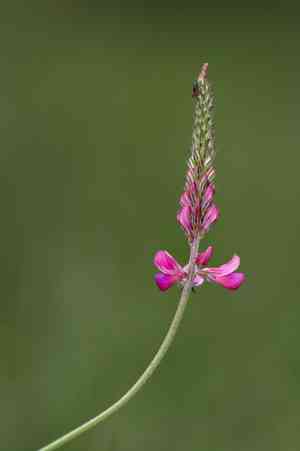
Sainfoin is successfully multiplied by seeding. To achieve the best outcomes, create a soil blend that drains efficiently and confirm the planting location gets plenty of sunshine. The seeds ought to be planted superficially, gently covered with earth, and continuously hydrated until sprouting begins. Consistent irrigation and safeguarding against harsh weather elements foster vigorous development.
When Is the Optimal Time to Propagate Common Sainfoin?
Propagation Method
Seeding
Propagation Period
Spring
What Tools Are Utilized for Common Sainfoin Propagation?
Seed trays
Seed trays offer a dedicated, structured environment for planting seeds. For common sainfoin, using these trays aids in maintaining optimal seed distribution, vital for consistent germination and development. Each cell in a tray provides individual seeds or small groups the necessary room to sprout and form robust root systems without competition, thereby boosting propagation success.
Soil mix
A premium soil blend is crucial for sowing common sainfoin. A well-draining, nutrient-rich soil mix supports the initial growth phase by supplying essential nutrients and sufficient moisture retention without causing waterlogging. This type of soil ensures that the roots of young common sainfoin plants can grow in an environment conducive to strong, healthy development.
Watering can with a fine rose
This implement is used to gently irrigate seeds and delicate seedlings. The fine rose attachment evenly and softly disperses water over the soil, preventing seed displacement or harm to young common sainfoin sprouts. Proper hydration during the initial growth stages is critical for germination and early plant development.
Clear plastic cover or humidity dome
This device is used to cover seed trays, creating a microclimate with elevated humidity and stable temperatures. For common sainfoin, which needs consistent moisture for germination, a humidity dome can boost germination rates by maintaining ideal moisture levels around the seeds. It also helps shield seeds from external disturbances.
Labels and permanent marker
Labels are vital for recording the sowing date and species, especially when propagating multiple plant types simultaneously. For common sainfoin, which might resemble other legumes in its early stages, clear labeling assists in monitoring and managing the specific needs of the plant throughout its growth cycle.
How to Propagate Common Sainfoin?
Propagation Difficulty
Simple
How to Care for Your Newly Propagated Common Sainfoin?
How to Care for Your Newly Propagated Common Sainfoin?
Post-propagation, continue to water common sainfoin regularly, particularly during dry periods, to establish a robust root system. Reduce watering frequency once plants are well-established. Apply a balanced fertilizer in early spring to encourage vigorous growth. Monitor for pests and diseases, treating as needed to maintain plant health.
Common Errors to Avoid When Propagating Common Sainfoin
Inadequate soil preparation
Failing to properly prepare the soil can lead to poor root development and nutrient uptake in common sainfoin. This error might result in stunted growth or even failure to establish.
Excessive watering
Overwatering can cause root rot and fungal diseases in common sainfoin, which prefer well-drained conditions. This can severely impact plant health and reduce propagation success.
Incorrect planting depth
Planting seeds or seedlings too deeply can hinder germination and root growth due to insufficient access to light and air for common sainfoin. Conversely, planting too shallowly might expose roots to the elements, impeding establishment.
Ignoring pest management
Neglecting to manage pests during the initial stages of propagation can lead to significant damage to young common sainfoin plants, affecting their growth and survival rate.
Dense planting
Placing common sainfoin seeds or plants too close together can lead to competition for light, space, and nutrients, which can result in poorer yields and reduced plant vigor.
Tips For Propagating Common Sainfoin
Soil selection and preparation
Choose well-draining soil enriched with organic matter for common sainfoin to enhance root development and water retention without causing waterlogging.
Moderate watering regime
Provide common sainfoin with a balanced watering schedule that keeps the soil moist but not overly wet to avoid root diseases and promote healthy growth.
Correct planting depth
Ensure seeds or seedlings of common sainfoin are planted at the right depth, which typically should not exceed twice the diameter of the seed to facilitate proper germination and root system development.
Pest control strategies
Implement proactive pest management by using appropriate control measures and monitoring common sainfoin regularly, particularly during critical growth stages, to reduce infestation risks.
Adequate spacing
Space common sainfoin seeds or plants optimally to minimize competition and maximize air circulation, which helps prevent fungal diseases and promotes stronger development.



