How to Transplant Whorled wood aster?
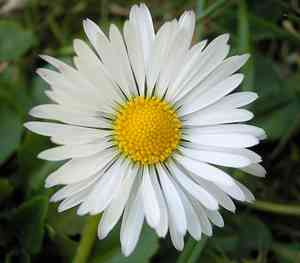
For whorled wood aster, the ideal time for relocating is from the beginning of spring until just before summer, allowing roots to settle prior to intense heat. Choose a spot with partial to full shade and soil that drains effectively, replicating whorled wood aster's native forest environment. Handling the plant delicately during transfer will result in robust development.
What Preparations are Needed Before Transplanting Whorled Wood Aster?
What is the Ideal Time for Transplanting Whorled Wood Aster?
The optimal period to move whorled wood aster is from early spring's awakening until late spring's full bloom. During this season, mild temperatures and increased rainfall create perfect conditions for root development, free from extreme heat or cold stress. This timeframe allows whorled wood aster a smooth transition, aligning with its natural growth cycle, fostering robust health and vitality in your garden. Furthermore, relocating whorled wood aster then ensures seamless adaptation to its new spot.
How Much Space Should You Leave Between Whorled Wood Aster Plants?
When getting ready to transplant whorled wood aster, imagine small stars adorning your garden, positioned roughly 18-24 inches (45-60 cm) apart. This spacing will allow them to thrive and sparkle without becoming overcrowded.
What is the Best Soil Mix for Whorled Wood Aster Transplanting?
For whorled wood aster, you'll want to prepare a comfortable bed that drains well and is rich in organic matter. Aim for a loamy soil and incorporate a balanced, slow-release fertilizer to give them an excellent initial boost.
Where Should You Relocate Your Whorled Wood Aster?
Your whorled wood aster will shine brightest in a location that receives partial shade. So, find a spot where sunlight gently filters through, providing them with about 4 to 6 hours of light daily, to ensure they radiate brilliantly.
What Equipments Should You Prepare Before Transplantation Whorled Wood Aster?
Gardening Gloves
To safeguard your hands while handling soil and plants.
Trowel or Spade
For digging and moving earth.
Watering Can
To hydrate the whorled wood aster before and after relocation.
Pruning Shears
To trim any damaged roots or foliage prior to transplanting.
Measuring Tape
To determine proper spacing between transplanted specimens.
Garden Fork
To loosen the soil around the plant's root system in its original spot.
Wheelbarrow or Plant Dolly
To move the whorled wood aster if it is large or heavy.
Mulch
To help maintain soil moisture and temperature post-transplant.
How Do You Remove Whorled Wood Aster from the Soil?
How Do You Remove Whorled Wood Aster from the Soil?
From Ground: Begin by watering the whorled wood aster to facilitate soil removal. Carefully dig a wide circle around the plant, aiming to keep the root ball intact. Dig deep enough to encompass the main roots, then gently lift the whorled wood aster from the ground with the soil still attached.From Pot: Water the whorled wood aster, then turn the pot sideways and tap the bottom to loosen the plant. Grasp the plant's base and gently pull it from the pot, supporting the root ball as you do so.From Seedling Tray: Moisten the soil in the tray. Use a trowel or your fingers to gently lift the whorled wood aster from its cell, being careful to support the soil around the seedling's roots to avoid disturbance.
Step-by-Step Guide for Transplanting Whorled Wood Aster
Prepare the New Site
Dig a hole twice as wide and equally deep as the whorled wood aster's root ball.
Inspect the Roots
Carefully remove any dead or damaged roots with pruning shears, ensuring minimal trimming.
Position whorled wood aster
Place the whorled wood aster in the center of the hole. The top of the root ball should be level with the surrounding soil surface.
Backfill the Hole
Carefully fill in around the root ball with soil, gently firming it with your hands to eliminate air pockets.
Water Thoroughly
Water the whorled wood aster slowly and deeply to moisten the new soil and help it settle around the roots.
Apply Mulch
Spread a layer of mulch around the base of the whorled wood aster, avoiding direct contact with the stem to prevent rot.
How Do You Care For Whorled Wood Aster After Transplanting?
Watering
Maintain slightly moist soil around the whorled wood aster and water when the top inch feels dry to the touch.
Staking
If the whorled wood aster is tall or top-heavy, consider staking it to provide support until it is well-rooted.
Pruning
Trim away any dead or damaged growth to focus the whorled wood aster's energy on establishing new roots.
Observation
Keep an eye out for signs of stress or disease, such as wilting, discoloration, or unusual spots on leaves.
Troubleshooting Common Issues with Whorled Wood Aster Transplantation.
When is the best time to transplant whorled wood aster?
Relocate whorled wood aster during the mild warmth of early to mid-spring for optimal results.
How much space does whorled wood aster need when transplanting?
Space whorled wood aster 18-24 inches (45-60 cm) apart to ensure ample room for growth.
Why are my transplanted whorled wood aster wilting?
Wilting after moving whorled wood aster could be due to root shock. Ensure careful handling and sufficient watering.
What kind of soil is best for transplanting whorled wood aster?
Well-draining soil rich in organic matter suits whorled wood aster best for a successful transplant.
How do I prepare the site for transplanting whorled wood aster?
Clear weeds, loosen the soil, and enrich with compost before planting whorled wood aster.
How deep should I plant whorled wood aster during transplantation?
Plant whorled wood aster at the same depth it was growing originally, not too deep or shallow.
Can I transplant whorled wood aster on a sunny day?
Transplant whorled wood aster on a cloudy day or in the late afternoon to reduce transplant stress.
Should I prune whorled wood aster before transplanting?
Lightly prune whorled wood aster to focus growth on the roots, but avoid heavy trimming which can stress it.
Why is whorled wood aster not thriving after transplantation?
Consider soil quality, watering, sunlight, and spacing. Inadequate care post-transplant can hinder whorled wood aster's establishment.
How often should I water whorled wood aster after transplanting?
Keep the soil moist, but not soggy, until whorled wood aster is established, especially in the first few weeks.



