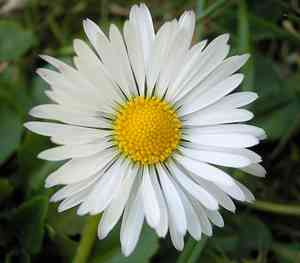
Whorled wood aster (Oclemena acuminata)
Also known as: Whorled Aster, Sharp-leaved Aster
The New York aster (Aster novi-belgii) is a flowering plant species indigenous to eastern North America, ranging from Newfoundland to Georgia. This plant produces striking flowers in the late summer and fall, which are known to attract butterflies.
In This Article
Attributes of Whorled wood aster
Lifespan
Perennial
Plant Type
Herb
Plant Height
30 cm to 61 cm
Spread
30 cm to 60 cm
Leaf Color
Green
Flower Size
2.5 cm to 8 cm
Flower Color
White Yellow Red Pink Burgundy Gold
Images of Whorled wood aster
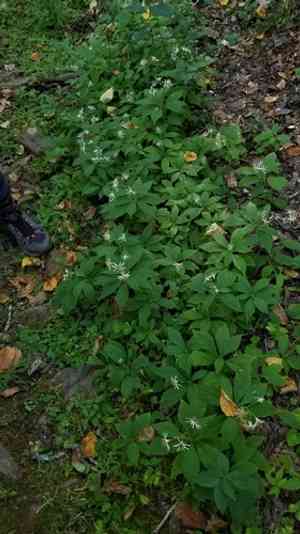
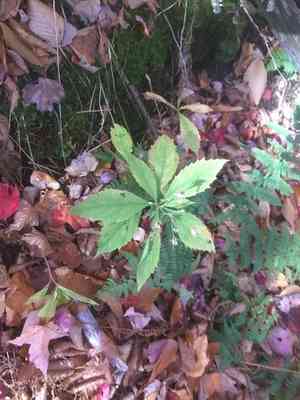
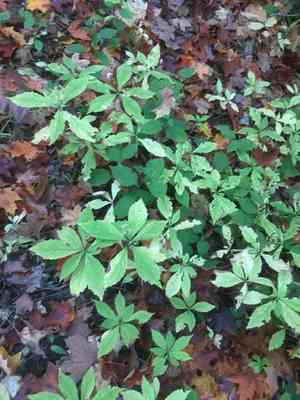
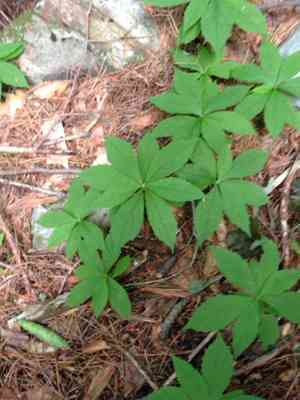
Quickly Identify Whorled wood aster
1
Distinct lance-shaped leaves, 3-6 inches (7.5-15 cm) long with toothed margins.
2
Composite flowers, 1-1.5 inches (2.5-3.8 cm) with white petals and yellow/red disc flowers.
3
Achenes with copious glands, small, dry, hard fruits not opening at maturity.
4
Sticky underside on lance-shaped leaves, spirally arranged with coarse toothed margins.
5
Slightly hairy stems, slender with zigzag pattern, light green transitioning to darker hues.
Scientific Classification of Whorled wood aster
Phylum
Vascular plants
Class
Dicotyledons
Order
Asterales
Family
Daisy
Genus
Asters
Species
Whorled wood aster
Planting and Growing of Whorled wood aster
Care Difficulty
Easy
Watering Schedule
Every 4 days
Sunlight Requirements
Partial sun
Sunshine Duration
6-8 hours
Ideal Temperature
60-75℉
Soil Type
Potting Mix, Peat Mix
Soil pH
5.5-6.8
Fertilizer Type
Balanced
Pruning Season
Spring, Summer
Pruning Area
Branches, Leaves
Pruning Frequency
2 times a year
Repotting Season
Spring
Pot Type
Plastic, Terracotta
 How to Water Whorled wood aster?
When watering Oclemena acuminata, ensure the soil is evenly moist but not waterlogged. You should aim to pour approximately 150 ml of water per session, making sure the top inch of soil feels damp. Avoid over-saturating the roots to prevent rot.
What are the symptoms of an underwatered Whorled wood aster?
›
What should I do if my Whorled wood aster is not getting enough water?
›
What are the symptoms of an overwatered Whorled wood aster?
›
How to save an overwatered Whorled wood aster?
›
 What Are the Sunlight Requirements for Whorled wood aster?
Oclemena acuminata thrives best in partial sun to full shade environments, similar to forest understories. Adequate light encourages healthy foliage development and maintains its characteristic compact shape.
More About Sunlight Requirements Techniques→
Ideal Location
›
Seasonal Adjustments
›
Indoor Potting
›
 What Is the Ideal Temperature Range for Whorled wood aster?
What makes 60°F to 75°F the ideal temperature range for Oclemena acuminata? In this range, the plant experiences optimal metabolic and physiological functions, facilitating robust growth and vibrant foliage. The temperatures allow for efficient photosynthesis while minimizing stress-related issues, making it an ideal range to sustain overall plant health.
 What Soil is Best for Whorled wood aster?
Oclemena acuminata thrives in well-drained soil, ensuring excess water won't suffocate its roots. Adequate drainage prevents root rot and promotes healthy plant growth, making it essential for optimal development. Rich organic matter in the soil enhances nutrient availability, supporting Oclemena acuminata's growth. Organic components add essential nutrients, improve soil structure, and promote beneficial microbial activity, vital for its vitality. This plant requires soil that retains moderate moisture without becoming waterlogged. Such a balance ensures the roots get enough hydration while preventing issues related to overwatering.
 How to Fertilize Whorled wood aster?
For Oclemena acuminata, use a balanced 10-10-10 liquid fertilizer. Concentration should be diluted to half-strength, approximately 1 tablespoon per gallon of water. This prevents over-fertilization while ensuring consistent nutrient availability.
 How to Prune Whorled wood aster?
Begin by examining your plant, identifying dead, diseased, or damaged foliage. Look for crossing branches or areas that appear dense, as these can inhibit airflow and light penetration. When you prune, make your cuts at a slight angle just above a leaf node or bud. This encourages new growth to sprout in a healthy direction and helps with optimal water runoff, preventing rot at the cut site.
More About Pruning Techniques→
 How to Propagate Whorled wood aster plant?
1
Allow the flower heads of Oclemena acuminata to mature and dry on the plant. Once dry, collect the seeds by shaking the flower heads into a container and storing them in a cool, dry place.
2
Select a mature plant with multiple clumps. Use a trowel to carefully dig around the base and lift the clumps from the soil, ensuring the root system is intact for successful transplantation.
3
Replant the divided clumps into prepared soil with good drainage. Space the divisions adequately to allow them to grow healthily. Water thoroughly after planting to help the plants establish.
 How to Repot Whorled wood aster plant?
1
Look for signs that Oclemena acuminata needs repotting by observing its roots emerging from the pot's drainage holes or if growth seems stunted. These are indicators that the plant requires more space to flourish and should be repotted soon.
2
Choose a pot that's about one size larger than the current one, allowing for root expansion without excessive soil that retains too much moisture. A pot with ample drainage holes ensures that water can escape, preventing root rot.
3
Opt for a well-draining organic mix, which is crucial for Oclemena acuminata as it prevents waterlogging and allows roots to breathe, promoting healthy growth. Such soil supports a balanced moisture environment.



