How to Prune Whorled wood aster?
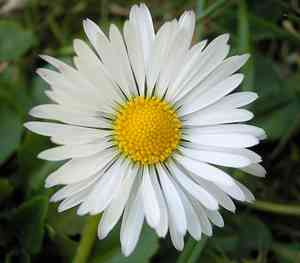
A member of the Asteraceae family, whorled wood aster is a perennial recognized for its groupings of white to light pink blossoms. Trim whorled wood aster during early spring or summer to preserve its form and stimulate robust development. Snipping off spent flowers encourages additional flowering and deters self-propagation. Eliminating dead or compromised stalks improves air movement, lowering the chance of illness. Trimming also enables cultivators to manage the dimensions and expansion of whorled wood aster, ensuring it fits well within the garden area.
Advantages of Trimming Whorled Wood Aster
Advantages of Trimming Whorled Wood Aster
Trimming whorled wood aster promotes robust development and maintains its desired shape. Strategic cutting back stimulates new, strong shoots, enhancing the plant's vitality and visual appeal.
Optimal Time for Trimming Whorled Wood Aster
Optimal Time for Trimming Whorled Wood Aster
Trimming whorled wood aster in late spring and early summer coincides with the post-flowering period, allowing gardeners to shape the plant and remove faded blooms without disrupting the flowering cycle. This timing ensures that any winter damage can be assessed and corrected, and it encourages healthy new growth while minimizing the risk of disease infection during the cooler, wetter months. Additionally, pruning after the danger of frost has passed prevents potential harm to new growth that could result from late cold snaps.
Necessary Tools for Trimming Whorled Wood Aster
Bypass Hand Pruners
These are suitable for making clean cuts on smaller stems and branches of whorled wood aster, ensuring minimal damage to the plant tissue. They are ideal for selectively thinning out overgrown areas or deadheading spent flowers to encourage more blooms.
Pruning Shears
For precise shaping and removal of softer, non-woody parts of whorled wood aster, pruning shears offer precision and control, which is important for maintaining the plant's natural appearance. The shears should be sharp to prevent tearing or bruising the stems.
Garden Scissors
These are useful for snipping delicate stems and foliage of whorled wood aster without causing unnecessary strain to the plant. They can also be used for deadheading and light shaping work.
Gloves
While not a cutting tool, good quality gardening gloves are essential for protecting hands during the pruning process of whorled wood aster, especially to guard against any potential skin irritants or sharp stems.
How to Trim Whorled Wood Aster
Disinfect tools
Before trimming whorled wood aster, sterilize pruning tools with a solution of 1 part bleach to 9 parts water to prevent the spread of disease.
Remove diseased leaves
Carefully snip off any diseased leaves from whorled wood aster at their base using clean, sharp scissors or secateurs, making sure not to tear the stems to which they are attached.
Cut withered leaves
Remove withered or dead leaves from whorled wood aster by trimming them at the base with sterilized scissors or secateurs, which helps to redirect energy to healthy growth.
Trim diseased stems
Prune any diseased stems on whorled wood aster just above a healthy set of leaves or a bud to encourage new, healthy growth and improve air circulation.
Dispose of trimmed material
Immediately dispose of all trimmed diseased material from whorled wood aster in a sealed bag or by burning, to prevent the spread of pathogens to healthy plants.
Common Trimming Errors with Whorled Wood Aster
Overpruning
Removing too much foliage from whorled wood aster at once can shock the plant, stunting growth and potentially leading to plant stress or death.
Improper cutting
Making cuts that are too close to the main stem or leaving large stubs can invite disease and pests. Clean cuts at the appropriate location are crucial for plant health.
Using dull tools
Pruning with dull or dirty tools can result in jagged cuts that are more susceptible to disease and can damage whorled wood aster's delicate stems.
Neglecting deadheading
Failing to remove spent flowers may lead to reduced blooming in subsequent seasons, as whorled wood aster may divert energy into seed production.
Ignoring diseased material
Not disposing of diseased or pest-infested clippings properly can lead to the spread of issues within whorled wood aster and to other plants.
General Trimming Advice for Whorled Wood Aster
Clean tools
Use sharp, clean pruning shears to make precise cuts, which helps prevent disease and encourages proper healing.
Angled cuts
Make angled cuts just above leaf nodes or buds to encourage water runoff and new growth without damaging the main stems.
Thinning
Thin out crowded areas to improve air circulation and light penetration, which can increase whorled wood aster's overall health and vigor.
Height reduction
If reducing height, cut back to a strong lateral branch or a healthy bud to promote a more natural shape and robust regrowth.
Post-bloom pruning
After flowering, trim back the spent blooms to promote a second flush of flowers and to keep whorled wood aster looking tidy.



