The Whorled wood aster Plant Advantage: Maximizing Home and Office Appeal and Wellness
1
Whorled wood aster adapts well to diverse soil types.
2
It draws in beneficial insects such as butterflies and bees, boosting garden ecology.
3
Whorled wood aster offers visual charm, contributing natural elegance through its distinct leaves and blooms.
Why Whorled wood aster is an Excellent Choice for Your Garden
Versatility in Soil Types
Whorled wood aster flourishes across various soil compositions, from well-draining loams to somewhat acidic varieties. This adaptability makes it a prime selection for gardeners with diverse ground conditions in their outdoor spaces. Its robust nature allows it to thrive without extensive soil modification, simplifying cultivation.
Minimal Upkeep Requirements
A key advantage of Whorled wood aster is its low maintenance needs. Once established, it demands little watering and can endure dry spells. This resilience reduces gardener effort, making Whorled wood aster an ideal plant for those desiring a beautiful yet easy-care addition to their landscape.
How Whorled wood aster Boosts Garden Biodiversity
Attracting Beneficial Insects
Whorled wood aster is renowned for drawing in various pollinators, including butterflies, bees, and other helpful insects. This not only enriches your garden's biodiversity but also supports the wider ecosystem by providing vital resources for these creatures. A garden rich in pollinators is a vibrant, living system contributing to overall environmental well-being.
Supporting Local Fauna
Beyond pollinators, Whorled wood aster provides a habitat and food source for diverse local wildlife. Its blossoms and leaves offer sustenance, while its structure provides refuge. Incorporating Whorled wood aster into your garden can foster a more balanced and flourishing micro-ecosystem, aiding birds, small mammals, and other animals.
What Visual Advantages Does Whorled wood aster Offer?
Distinctive Foliage and Blooms
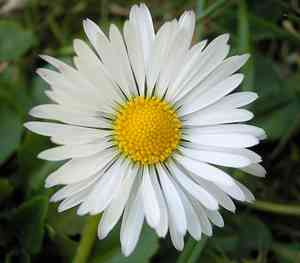
Whorled wood aster is prized for its unique, whorled leaves and delicate white flowers that appear from late summer to early autumn. This singular appearance adds texture and visual appeal to garden designs, making it an excellent plant for borders, wild gardens, or mixed perennial beds.
Seasonal Visual Interest
Beyond its summer and fall flowering, Whorled wood aster contributes to year-round garden charm. In spring, its fresh green leaves provide a lush backdrop for early bloomers, while in winter, its dried stems and seed heads offer structural interest. This seasonal versatility makes Whorled wood aster a valuable plant for maintaining garden beauty throughout the year.
Can Whorled wood aster Be Incorporated into Landscape Design?
Naturalistic Garden Styles
Whorled wood aster is particularly well-suited for naturalistic garden designs, which prioritize native plants and emulate natural ecosystems. Its informal, flowing growth habit complements other native species and contributes to a harmonious, low-maintenance landscape. Whether used in meadow plantings, woodland gardens, or alongside native grasses, Whorled wood aster integrates seamlessly into these designs.
Companion Planting
When planning a garden, Whorled wood aster can be combined with various other plants to amplify its visual impact. Consider pairing it with groundcovers like ferns or other shade-loving perennials to create a layered, diverse planting. This not only enhances aesthetic appeal but also promotes ecological health by encouraging a variety of plant and animal life.
Concluding Thoughts on Adding Whorled wood aster to Your Garden
Selecting the Optimal Site
When planting Whorled wood aster, choose a spot that offers partial to full shade, as this plant thrives in under-canopy conditions. Ensure the soil drains well and consider adding a layer of mulch to help retain moisture and regulate soil temperature.
Long-Term Care and Enjoyment
For sustained success with Whorled wood aster, occasional trimming and deadheading can help maintain its form and encourage more blooms. Regularly check for signs of disease or pests, though Whorled wood aster is generally robust. By following these simple care guidelines, you can enjoy the many benefits of this adaptable and beautiful plant for years to come.



