How to Transplant White lotus?
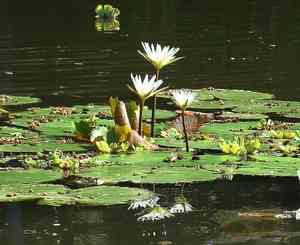
Autumn provides ideal circumstances for white lotus's root establishment, free from the energy requirements of the flowering period. Locate bright areas in calm aquatic environments, guaranteeing roots can secure and expand. Careful manipulation encourages a smooth integration into your tranquil water feature.
What Preparations are Needed Before Transplanting White Lotus?
What is the Ideal Time for Transplanting White Lotus?
The optimal period to relocate your white lotus is during the autumn season. This timing helps avoid intense summer heat, allowing white lotus to settle in cooler conditions. Moving it in the mild season gives white lotus a chance to develop robust roots before spring blooms, setting the stage for a magnificent display. A friendly reminder: Your white lotus will appreciate this calm season for its move, ensuring a strong start for the coming year!
How Much Space Should You Leave Between White Lotus Plants?
Make sure to provide ample room for your white lotus to expand and grow. Each plant should be spaced approximately 5-6 feet (1.5-1.8 meters) apart. This will allow them sufficient space to thrive without becoming overcrowded.
What is the Best Soil Mix for White Lotus Transplanting?
To meet white lotus's needs, prepare a soil base that is loamy and rich in organic matter. Good compost or well-rotted manure are perfect organic additions. Remember, a slow-release fertilizer can help supply nutrients gradually.
Where Should You Relocate Your White Lotus?
White lotus thrives in abundant sunlight, so select a planting location where they will receive at least 6 hours of sun daily. Don't worry, they can also tolerate partial shade, but plenty of sunshine will encourage more blooms.
What Equipments Should You Prepare Before Transplantation White Lotus?
Gardening Gloves
Used to safeguard your hands when handling soil and plants.
Shovels
Needed for excavating holes at the new transplant site and for extracting the plant from its original spot, whether in the ground or a pot.
Garden Hoe or Hand Cultivator
Useful for breaking up soil clumps in the new area, and for carefully sifting through soil when removing the plant from a seedling tray.
Watering Can
Essential for keeping the plant adequately hydrated both during and after the transplanting process.
Wheelbarrow or Bucket
Helpful for transporting soil, and also for moving the plant from its initial location to the new transplanting spot.
Gardening Shears
Beneficial for trimming any dead or diseased parts of the plant prior to transplantation.
How Do You Remove White Lotus from the Soil?
How Do You Remove White Lotus from the Soil?
From Ground: Begin by lightly watering the white lotus plant. Carefully dig around the plant with a shovel, taking extra care not to damage the root system. Once the soil is loose, gently lift the plant from its original position, ensuring the roots remain intact.From Pot: Make sure to water the plant thoroughly before starting this process. Then, carefully tilt the pot on its side and hold the plant firmly at its base, slowly pulling it out along with its root ball. If the plant is resistant, you might need to tap the sides of the pot to loosen it.From Seedling Tray or Container: Lightly water the white lotus seedlings. Then, using a hand cultivator, slowly loosen the soil around the seedling. Lift gently â ideally, the seedling and its roots should come away with a clump of compacted soil.
Step-by-Step Guide for Transplanting White Lotus
Prepare New Location
Dig a hole twice the width and the same depth as the root system of white lotus.
Plant Placement
Position white lotus in the center of the hole, ensuring the top of the root ball is level with the ground surface.
Backfill Hole
Refill the hole with a mixture of garden soil and compost, covering the root ball of white lotus. Gently firm the soil around the base of the plant to secure it.
Water Thoroughly
Give white lotus a good soak with a watering can, then allow excess water to drain.
How Do You Care For White Lotus After Transplanting?
Watering
Ensure white lotus receives sufficient water, especially in the initial weeks. The soil should not become dry.
Pruning
Remove any wilting or unhealthy-looking leaves. This promotes new growth and helps reduce the plant's stress.
Monitor
Keep a close watch on white lotus for a few weeks and observe for signs of distress such as wilting or yellowing. If these symptoms persist, professional advice might be necessary.
Protection from Elements
During the initial period after transplant, shield white lotus from extreme weather conditions like intense sunlight, heavy rain, or strong winds.
Troubleshooting Common Issues with White Lotus Transplantation.
What's the best time of year to transplant white lotus?
The ideal time to transplant white lotus is during the S7-S9 season. This period spans late summer to early autumn, allowing ample time for root establishment before winter.
How much space does white lotus need between plants when transplanting?
Provide white lotus with plenty of room to thrive. A recommended spacing is approximately 5-6 feet or 1.5-1.8 meters apart.
What type of soil is best for transplanting white lotus into?
White lotus prefers loamy, nutrient-rich soil. Ensure the soil drains well to prevent root rot.
What's the ideal depth for transplanting white lotus?
When planting white lotus, ensure the top of the pot is about 12-18 inches (30-45 cm) below the water surface.
Should I prune white lotus before or after transplanting?
It's better to prune white lotus after transplanting, giving the plant time to get established. Only dead or dying leaves should be removed.
How much sun does white lotus need after transplanting?
White lotus loves the sunshine! So, after transplanting, place it where it gets at least 5-6 hours of sunlight daily.
What is the recommended watering procedure post-transplanting for white lotus?
White lotus is an aquatic plant and will flourish in a water environment. Ensure itâs always covered with at least 6 inches (15 cm) of water.
Do I need to fertilize white lotus after transplanting?
Indeed! Feed white lotus with a slow-release, water-soluble fertilizer. This encourages the plant's growth after the transplanting process.
What should I watch out for after transplanting white lotus?
Monitor white lotus for pests and diseases. If you notice any discoloration or changes in leaf texture, immediate action is required.
How long will it take for white lotus to settle after transplantation?
White lotus usually takes 2-4 weeks to adjust after transplantation. Just ensure optimal conditions for growth and it should thrive!



