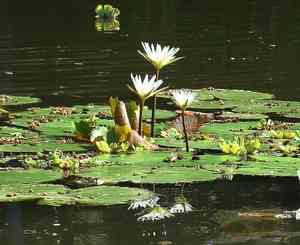
White lotus (Nymphaea ampla)
Also known as: Mayan water lily, Large waterlily
The white lotus (Nymphaea ampla), which can sometimes have a pink hue, originates from southern Mexico, Central America, and the Caribbean. It thrives in tranquil freshwater habitats such as ponds and slow-moving rivers. This plant also holds significance in Mesoamerican and Mayan cultural art.
In This Article
Attributes of White lotus
Lifespan
Perennial
Plant Type
Herb
Plant Height
30 cm
Spread
60 cm to 75 cm
Leaf Color
Green
Flower Size
7 cm to 18 cm
Flower Color
White Yellow
Images of White lotus

Quickly Identify White lotus
1
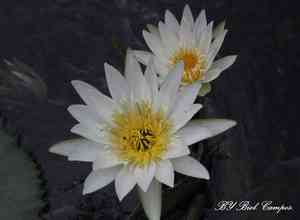
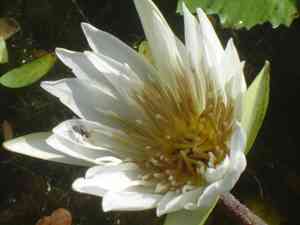
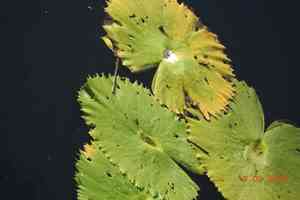
Nymphaea ampla can be identified by its large, round, floating leaves and striking white flowers. The leaves often have a notched edge and can span up to 30 cm in diameter. The flowers can be up to 15 cm in diameter and have numerous white petals surrounding a yellow center.
Scientific Classification of White lotus
Phylum
Vascular plants
Class
Dicotyledons
Order
Nymphaeales
Family
Water-lily
Genus
Water lilies
Species
White lotus
Planting and Growing of White lotus
Care Difficulty
Easy
Watering Schedule
Every 4 days
Sunlight Requirements
Full sun
Sunshine Duration
6-10 hours
Ideal Temperature
77-86℉
Soil Type
Potting Mix, Peat Mix
Soil pH
6.5-7.5
Fertilizer Type
Balanced
Pruning Season
Spring, Summer
Pruning Area
Branches, Leaves
Pruning Frequency
2 times a year
Repotting Season
Spring
Pot Type
Plastic, Ceramic
 How to Water White lotus?
For Nymphaea ampla, also known as the white water lily, the amount of water should be sufficient to keep the surrounding soil consistently moist but not waterlogged. These aquatic plants thrive in well-saturated conditions, replicating their natural habitat, where they grow in bodies of water. Water thoroughly until you see that the soil beneath is evenly wet, approximately 1,000 mL per watering.
What are the symptoms of an underwatered White lotus?
›
What should I do if my White lotus is not getting enough water?
›
What are the symptoms of an overwatered White lotus?
›
How to save an overwatered White lotus?
›
 What Are the Sunlight Requirements for White lotus?
Nymphaea ampla ideally benefits from full sun to partial sun, enhancing growth and blooming while ensuring the plant maintains vibrant coloration and healthy foliage.
More About Sunlight Requirements Techniques→
What is the ideal lighting for Nymphaea ampla?
›
How can I achieve the ideal lighting conditions?
›
What are the benefits of obtaining ideal lighting for this plant?
›
 What Is the Ideal Temperature Range for White lotus?
The ideal temperature range for growing Nymphaea ampla is between 77°F and 86°F. At these temperatures, the plant can thrive, showing optimal growth and vibrant flowering. It is crucial for the temperature to remain within this range to prevent stress and to maintain its biological functions.
 What Soil is Best for White lotus?
Nymphaea ampla prefers a nutrient-rich soil which contains sufficient organic matter. This ensures the plant has access to essential nutrients necessary for its vigorous growth and vibrant blooms. This aquatic plant thrives in moist conditions, so the soil must have good water retention properties. It helps maintain consistent moisture levels, critical for the health of Nymphaea ampla. Proper soil aeration is vital for the roots of Nymphaea ampla to breathe, facilitating nutrient uptake and promoting healthy growth. Loamy soil, with its balance of sand and clay, provides optimal aeration.
 How to Fertilize White lotus?
When fertilizing Nymphaea ampla, ensure that you use water-soluble fertilizers designed for aquatic plants. Apply at a concentration of a half teaspoon per gallon of water. This amount is sufficient to provide essential nutrients without risking over-fertilization, which can harm aquatic environments.
 How to Prune White lotus?
While it might be tempting to trim heavily, especially if the plant looks unkempt, over-pruning can stress Nymphaea ampla. Leave enough foliage to maintain its natural beauty and function in photosynthesis, ensuring long-term health. Early morning or late afternoon is the best time for pruning as this minimizes stress from heat and allows the plant to recover during the cooler times of the day. Avoid pruning during extremely hot or cold weather conditions.
More About Pruning Techniques→
 How to Propagate White lotus plant?
1
Harvest seeds from mature Nymphaea ampla seed pods generally found after the flowering season. Ensure the seeds are fully dried and free from any moisture to prevent rotting during storage.
2
Choose a nutrient-rich, loamy soil that retains moisture well. Fill seed trays or pots with the soil and ensure good drainage to facilitate healthy root growth.
3
Carefully dig up a mature Nymphaea ampla plant and separate the rhizomes. Make sure each division has healthy roots and buds. Replant divisions quickly to prevent the roots from drying out.
 How to Repot White lotus plant?
1
Look for signs like overcrowded roots or slower flowering. These indicate it's time to repot Nymphaea ampla. Repotting in Spring or Summer maximizes growth and flowering potential, as the plant actively grows during these seasons.
2
Choose a wide, shallow pot. This affords plenty of space for the expansive root system to grow, mimicking the natural habitat of spreading across pond bottoms. This helps the plant thrive and maintains stability in the water.
3
Opt for a clay-based aquatic soil. This type retains nutrients well and provides excellent anchorage for the plant, ensuring that Nymphaea ampla remains well-rooted in its watery environment, promoting healthy growth and bloom.
Toxicity
Ingestion
WARNING
The judgment on toxicity and danger is for reference only. We DO NOT GUARANTEE any accuracy of such judgment. Therefore, you SHALL NOT rely on such judgment. It is IMPORTANT TO SEEK PROFESSIONAL ADVICE in advance when necessary.



