How Much Sunlight Do White lotus Need?
1
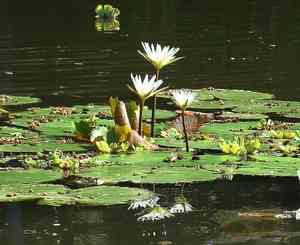
White lotus plants need a minimum of six hours of direct sun each day.
2
They can endure some shade, but this might impact their flowering.
3
White lotus adapt to changing light throughout the year, though supplemental light might be necessary in colder months.
Optimal Illumination for White Lotus
Full Sun Requirement
The White lotus flourishes with complete sun exposure, needing at least 6 hours of direct sunlight daily. This light level is vital for photosynthesis, fostering robust development and vivid blooms. Full sun is especially critical for the plant to produce its large, beautiful flowers and maintain strong foliage.
Partial Shade Adaptability
Although White lotus prefers full sun, it can endure some shade, particularly during extremely hot afternoons. However, excessive shade will likely result in fewer flowers and potentially weaker plant vitality. In regions with very intense sunlight, providing filtered afternoon shade can be beneficial to shield the plant from potential scorching.
Prime Locations for White Lotus Placement
Outdoor Water Features
Outdoor ponds are perfect settings for White lotus. The natural environment of a pond allows for maximum sunlight and helps sustain the necessary moisture levels. Ensure the pond isn't shaded by nearby trees or structures for most of the day. In this habitat, the White lotus can thrive, creating a stunning aquatic display in your garden.
Indoor Aquatic Gardens
For those without outdoor space, indoor water gardens can also be a suitable environment for cultivating White lotus. Position the plant near a south-facing window to receive ample natural light. If natural light is insufficient, supplement with grow lights to replicate the full spectrum of sunlight. This setup enables indoor gardeners to enjoy the beauty of White lotus year-round.
Impact of Seasonal Changes on White Lotus Light Needs
Summer Light Intensity
During summer, White lotus benefits from the strong and extended daylight. Long summer days support vigorous growth and abundant flowering. However, in areas with extremely high temperatures and intense light, consider offering partial shade during the hottest parts of the day to prevent leaf burn. Consistent watering and monitoring soil moisture are also crucial during this period.
Winter Lighting Advice
In winter, natural light diminishes, which might impact the White lotus' growth and vigor. It's advisable to move the plant to the brightest possible location. In some instances, artificial lighting may be necessary. Position grow lights approximately 12 inches (30 cm) above the plant to provide adequate illumination and ensure the plant remains healthy through the darker months.
Signs of Excessive or Insufficient Sunlight for White Lotus
Symptoms of Overexposure
Too much sunlight can cause the White lotus to show signs of distress, such as browning or crispy leaves and scorched spots. If these symptoms appear, it's important to provide partial shade during peak sunlight hours and ensure the plant is well-hydrated to help it recover from the intense light.
Indicators of Inadequate Lighting
Conversely, insufficient lighting will lead to poor development and a lack of blooms. The leaves and flowers may appear pale, and the plant might become leggy as it stretches towards the light source. To correct this, consider relocating the plant to a sunnier spot or incorporating grow lights to boost its light intake.
FAQs Regarding White Lotus Sunlight Requirements
Can White Lotus Flourish in Dim Light Conditions?
While White lotus can survive in dim light, thriving is improbable. The plant needs abundant sunlight to bloom profusely and maintain healthy foliage. In low light, you might observe stunted growth and fewer flowers. It's best to provide as much natural or artificial light as possible to support optimal growth.
Is Direct Sunlight Essential for White Lotus?
Yes, direct sunlight is crucial for White lotus. A minimum of 6 hours of direct sunlight is vital for the plant to photosynthesize efficiently, which in turn ensures vibrant growth and flowering. Without sufficient direct sunlight, the plantâs overall health and aesthetic appeal may suffer.



