How to Prune White lotus?
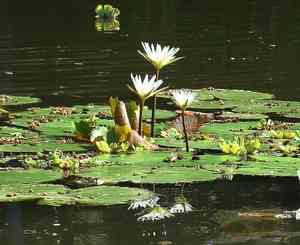
The water-dwelling white lotus, recognized for its magnificent blossoms and expansive foliage, flourishes with appropriate trimming to sustain its well-being and visual appeal. Snip off any deceased or discolored leaves and faded flowers precisely at the water's surface. Focus on performing these cuts from Spring to Autumn to stimulate fresh development and blooming. Meticulous extraction of encroaching root structures averts congestion and facilitates water movement. Trimming benefits the white lotus by elevating the caliber of its blooms and regulating its expansion, guaranteeing a lively presentation in aquatic environments.
Advantages of Trimming White Lotus
Advantages of Trimming White Lotus
Trimming white lotus promotes abundant blooms, stimulates vigor, and maintains a compact shape, ensuring visual appeal and health.
Optimal Time for Pruning White Lotus
Optimal Time for Pruning White Lotus
Pruning white lotus in Spring helps eliminate dead or damaged leaves from winter, preparing the plant for new development. Since this species typically grows actively in warmer months, Spring pruning also encourages healthier flowers during its blooming season. Summer is perfect for cutting back live tissue to shape the plant and encourage more flowering, being careful not to over-prune as this can stress the plant. Fall is not advised for pruning white lotus because fresh cuts could be harmed by the onset of colder temperatures, potentially leading to disease or decay in winter.
Necessary Tools for Pruning White Lotus
Long-handled pruning shears
White lotus often grows in water, requiring pruning tools that can reach into the pond without the gardener needing to enter the water. Long-handled shears allow for precise cuts from the pond's edge.
Aquatic plant trimmer
For deeper ponds or extended reach, a specialized aquatic plant trimmer is designed to prune plants like white lotus while standing on the bank. Its extended reach and cutting mechanisms are ideal for water plants.
Sharp scissors
For delicate trimming of white lotus's foliage and flowers, sharp scissors provide the gardener with the precision needed to cut without harming the plant.
Waders or waterproof gloves
If the gardener needs to get closer to white lotus, waterproof gear like waders or gloves can help in performing the task without getting wet, which can be essential during cooler weather or for comfort.
How to Prune White Lotus
Remove diseased material
Identify and carefully remove any diseased leaves from white lotus using sterilized pruning shears. Ensure to cut at the base of the stem to avoid damaging healthy tissue.
Trim withered leaves
Locate withered or yellowing leaves and trim them at the base of the stem where they meet the water's surface or the plant base, avoiding damage to nearby healthy leaves.
Eliminate withered flowers
Cut back withered flowers on white lotus by following the stem down to the nearest set of healthy leaves and snipping it off cleanly. Doing so prevents decaying plant matter from contaminating the water and encourages further blooming.
Clean up
After pruning white lotus, carefully remove all cut material from the water to prevent decomposition and potential water quality issues.
Disinfect tools
Disinfect pruning tools with a 10% bleach solution or rubbing alcohol after use to prevent the spread of disease when pruning white lotus in the future.
Common Pruning Errors with White Lotus
Overpruning
Removing too much foliage from white lotus can stress the plant and reduce blooming potential. It's crucial to prune sparingly and thoughtfully.
Improper cut location
Cutting too close to the base of white lotus's lily pad or flower stalk may damage the crown and disrupt future growth. Cuts should be made just above the base.
Using dull tools
Pruning white lotus with dull or dirty tools can lead to jagged cuts and increase the risk of disease. Always use sharp, clean tools for clean cuts.
Pruning healthy foliage
Removing healthy leaves from white lotus can diminish its ability to photosynthesize and sustain blooms. Focus only on damaged or decaying parts.
Neglecting dead flowers
Failing to remove spent flowers from white lotus can redirect energy from potential new blooms and could lead to rot if left in the water.
General Pruning Advice for White Lotus
Cutting technique
When trimming white lotus, use angled cuts to promote water run-off and reduce the risk of rot.
Frequency and extent
Refer to white lotus's growth pattern and prune only when necessary to remove old or damaged growth, focusing on maintaining the plant's natural shape.
Tool sanitization
Sanitize pruning tools both before and after working on white lotus to prevent the spread of pests and diseases.
Disposal of trimmed material
After pruning, promptly remove all cuttings from white lotus's habitat to avoid decay and maintain water quality.
Monitoring after pruning
Regularly observe white lotus following pruning to check for signs of stress or disease, and ensure prompt intervention if problems arise.



