How to Transplant Cow lily?
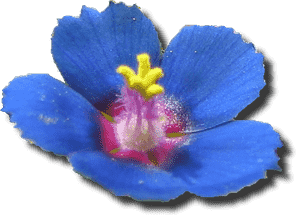
For cow lily, the ideal period for relocation is within the revitalizing embrace of early to mid-spring. This timeframe, as the natural world revives, guarantees the cow lily's strong recuperation and adaptation. Select a moist, sun-drenched spot, and carefully tend to its roots to facilitate establishment in its fresh aquatic environment.
Necessary Preparations Before Relocating Cow Lily?
Optimal Timing for Cow Lily Relocation?
The ideal period for moving cow lily is during the refreshing onset of early to mid-spring. This timeframe offers a mild climate, allowing cow lily ample opportunity to establish its root system before the intense surge of summer growth. Preparing the soil as nature awakens from winter's dormancy ensures roots benefit from moderate temperatures and increasing sunlight, vital for robust development. Advantages include a full growing season ahead, reduced plant stress, and more efficient water absorptionâsetting cow lily up for a prosperous year. In essence, it's a perfect horticultural alignment!
Required Spacing Between Cow Lily Plants?
For cow lily, providing ample room is crucial for healthy development! Position your plant ideally 2-3 feet apart (approximately 60-90 cm). This will give them sufficient area to expand and thrive.
Best Soil Mixture for Cow Lily Relocation?
Cow lily prefers rich, fertile soil. Before moving, incorporate some compost or a slow-release granular fertilizer to supply nutrients over time. This will keep your plant well-nourished and enhance its performance.
Where to Replant Your Cow Lily?
Select a location with partial to full sun for cow lily, as they appreciate a good amount of solar exposure. However, they also tolerate some shade, particularly in the afternoon to protect them from the most intense sunlight.
Essential Equipment for Cow Lily Transplantation?
Gardening gloves
To safeguard your hands while handling the plant and soil.
Spade or shovel
You'll need this for digging holes and assisting in the plant's removal process.
Garden fork
For loosening the soil around the cow lily in its original spot.
Watering can or hose
Required for hydrating the plant before and after relocation.
Measuring tape
To ensure the hole is the correct size for the plant's root system.
Wheelbarrow
For convenient transportation of the cow lily plant from its initial location to its new site.
How to Extract Cow Lily from the Soil?
How to Extract Cow Lily from the Soil?
From Ground: First, hydrate the cow lily plant to moisten the soil, which will prevent root damage and simplify the extraction. Use a garden fork to loosen the soil around the plant, working carefully to avoid harming the roots. Use your spade or shovel to dig around the plant, ensuring you go deep enough to keep the root ball intact. Gently lift the plant from the ground with the spade, supporting the root ball as much as possible.From Pot: It's best to water the plant a few hours before the transplanting process. Invert the pot while holding the cow lily plant at its base and gently shake it. The plant, along with the soil, should slide out. If it's resistant, you might need to tap the pot on the ground.From Seedling Tray: Water the tray thoroughly before attempting to remove a seedling. Moisten the soil until it's damp but not saturated. Carefully lift the seedling by its leaves rather than its stem to prevent damage. If it's stubborn, you can also use a small tool or stick to gently pry it out.
Step-by-Step Guide for Relocating Cow Lily
Excavating the Hole
Ensure the hole is approximately twice the width and the same depth as the cow lily plant's root system. This provides ample space for the roots to spread in their natural growth pattern.
Plant Placement
Gently lower your cow lily into the hole and adjust it so it sits at the same depth as it was in its previous location.
Backfilling Soil
Fill the hole with the excavated soil, firming it as you go to eliminate any air pockets.
Hydration
Give the cow lily a thorough watering. Saturate the area by irrigating it completely.
Mulching
Spread a layer of mulch around the plant's base, being careful not to pile it against the stem as this can attract pests and diseases.
Post-Transplantation Care for Cow Lily?
Protection
Initially, shield the newly relocated cow lily plant from strong winds and intense sunlight. A temporary shade cloth or windbreak may be beneficial.
Watering
Ensure consistent watering after planting. The root system will require some time to establish in the new location, so the plant will need more water than usual until it settles.
Monitoring
Keep a close watch on your cow lily's health. If the leaves start to wilt or turn brown, it could indicate transplant shock. If this occurs, maintain good watering practices and consider if the plant needs additional protection from the elements until it recovers.
Troubleshooting Common Cow Lily Transplantation Issues.
When is the best time to transplant cow lily?
The optimal period to move your cow lily is during seasons S1-S2, offering them the best conditions for root establishment.
What's the recommended spacing for cow lily?
For proper development, cow lily should be positioned approximately 2-3 feet (60-90 cm) apart. This allows sufficient room for roots to expand.
How should I prepare the soil before transplanting cow lily?
Improve the planting site by incorporating high-quality garden compost or well-rotted manure. The soil should also be moist but well-drained.
What size hole should I dig for transplanting cow lily?
Excavate a hole that is twice the width and slightly deeper than the pot. This will provide the cow lily's roots ample space to spread.
Is it important to water cow lily just after transplanting?
Absolutely! Water the plant immediately after relocation. This helps to settle the soil and ensure good contact with the roots.
Should I prune cow lily before or after transplanting?
You should prune cow lily before moving it. Pruning helps the plant balance its above and below-ground growth while adapting to a new location.
Can I transplant cow lily in the same container it came in?
No, transplant cow lily into a larger pot. Plants typically outgrow their original containers, and a bigger one will provide space for growth.
What's the best way to remove cow lily from its current location?
Gently slide the cow lily out from its pot, being careful not to pull the stem. It's crucial not to damage the root system during this process.
Should I fertilize cow lily immediately after transplanting?
As a general guideline, it's best to wait 2-4 weeks before feeding to prevent root burn. The plant needs time to adjust to its new environment.
What should I do if the transplanted cow lily shows signs of stress?
Ensure the plant is receiving adequate water and is not exposed to direct, harsh sunlight. If the issue persists, seek advice from a local garden center or horticulture expert.



