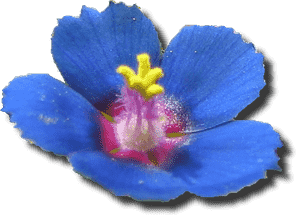
Cow lily (Nuphar variegata)
Also known as: Variegated pond lily
Nuphar variegata, commonly referred to as cow lily, is a pond lily species native to Canada and the northern parts of the United States. Its broad, round leaves float on the water, and its flowers rise above on stalks. This species is also known by other names, including bullhead lily and yellow pond-lily.
In This Article
Attributes of Cow lily
Lifespan
Perennial
Plant Type
Herb
Plant Height
2 m
Spread
1-2 meters
Leaf Color
Orange
Flower Size
2.5 cm to 6 cm
Flower Color
Yellow
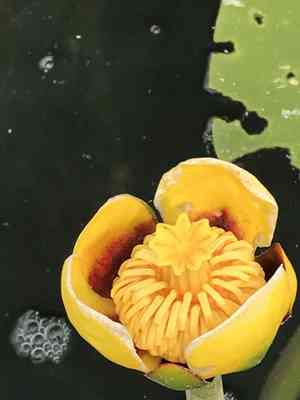
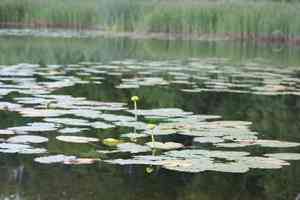
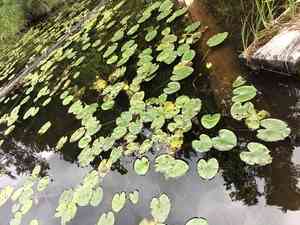
Images of Cow lily

Quickly Identify Cow lily
1
Look for large, heart-shaped leaves that float on the water\'s surface and bright yellow flowers with numerous petals. The plant has a thick, fleshy rhizome submerged in the substrate.
Scientific Classification of Cow lily
Phylum
Vascular plants
Class
Dicotyledons
Order
Nymphaeales
Family
Water-lily
Genus
Pond-lily
Species
Cow lily
Planting and Growing of Cow lily
Care Difficulty
Easy
Watering Schedule
Every 4 days
Sunlight Requirements
Partial sun
Sunshine Duration
6-10 hours
Ideal Temperature
70-80℉
Soil Type
Potting Mix, Peat Mix
Soil pH
6.5-7.5
Fertilizer Type
Balanced
Pruning Season
Spring, Summer
Pruning Area
Branches, Leaves
Pruning Frequency
2 times a year
Repotting Season
Spring
Pot Type
Plastic, Ceramic
 How to Water Cow lily?
Nuphar variegata requires a consistent, sufficient amount of water to thrive. Each watering session should deliver about 500 milliliters, enough to keep the soil saturated without pooling. The golden rule is to maintain a balance, ensuring the soil is kept moist but not waterlogged.
What are the symptoms of an underwatered Cow lily?
›
What should I do if my Cow lily is not getting enough water?
›
What are the symptoms of an overwatered Cow lily?
›
How to save an overwatered Cow lily?
›
 What Are the Sunlight Requirements for Cow lily?
Nuphar variegata prefers partial sunlight, benefitting from the morning sun while protected from afternoon intensity. Ideal lighting ensures healthy growth and the resilience of the plant.
More About Sunlight Requirements Techniques→
What is the best lighting for Nuphar variegata?
›
How can I achieve ideal lighting for Nuphar variegata?
›
What benefits does Nuphar variegata gain from ideal lighting?
›
 What Is the Ideal Temperature Range for Cow lily?
For Nuphar variegata, maintaining an optimal growth temperature between 70°F to 80°F is crucial. At these temperatures, the plant exhibits the best growth and overall health, thriving under conditions that mimic its native environment. Consistent temperatures within this range support photosynthesis, flowering, and general vitality.
 What Soil is Best for Cow lily?
Nuphar variegata thrives in moist soil conditions, which mimic its natural habitat. Maintaining high moisture levels in the soil helps ensure the plant receives adequate hydration, promoting healthy growth and vibrant foliage. A nutrient-rich soil full of organic matter supports the healthy development of Nuphar variegata. The abundance of nutrients enhances the plant's ability to produce energy and sustain its expansive spread, resulting in lush foliage and flowers. Maintaining a natural pH balance within 6.5 to 7.5 allows Nuphar variegata to thrive without undergoing stress due to soil acidity or alkalinity. This balance supports nutrient uptake and ensures the plant remains healthy and robust.
 How to Fertilize Cow lily?
For Nuphar variegata, the ideal fertilization amount should be relatively low, given its natural habitat in nutrient-poor environments. Use about 1/4 teaspoon of balanced liquid fertilizer per gallon of water when applying liquid fertilizers. For slow-release fertilizers, use approximately 1-2 tablespoons per plant yearly, evenly spread around the base of the plant.
 How to Prune Cow lily?
Begin the pruning process by identifying leaves that appear old, damaged, or yellowed. These leaves can become a drain on the plant's resources and may hinder new growth. Gently pull such leaves away or use sterilized scissors to cut them close to the base without disturbing the healthy parts. Regular pruning not only removes unsightly parts but encourages the plant to grow more prolifically. By focusing on areas where growth appears sparse, snipping carefully can stimulate new leaves to form, giving the plant a fuller, healthier look over time.
More About Pruning Techniques→
 How to Propagate Cow lily plant?
1
Collect seeds from mature Nuphar variegata plants during late summer or early autumn. Ensure seeds are fully matured to enhance germination success. Clean and dry the seeds before storing them in a cool, dry place.
2
Sow seeds in spring, preferably in seed trays with a rich, loamy mix that retains moisture. Cover lightly with soil, and keep the trays in a warm, shaded location to simulate the natural environment.
3
Divide rhizomes in early spring before new growth begins. Using a sharp spade, carefully separate the rhizomes ensuring each division has at least one growing point. Replant them promptly in suitable water gardens or ponds.
 How to Repot Cow lily plant?
1
Nuphar variegata shows signs for repotting when its roots begin to outgrow the container. If the plant appears stunted or there's a noticeable reduction in blooming, it's hinting at needing more space. Ideally, this task should be tackled during its active growing periods in spring or early summer for optimal recovery.
2
Selecting the appropriate pot is crucial. Opt for a somewhat larger container that offers ample space for root expansion. Ensure the new pot has broad depth but not excessive height, which maximizes water volume and stability. The pot should be stable enough to withstand water movement, preventing tipping and ensuring the plant roots settle adequately and grow vigorously.
3
Select a dense, loamy soil that's high in organic content. This mimics aquatic environments where water lilies thrive, holding nutrients effectively while staying submerged. Such soil promotes strong root anchorage and nutrient uptake, vital for healthy top growth and abundant flowering in the water garden.



