How to Prune Cow lily?
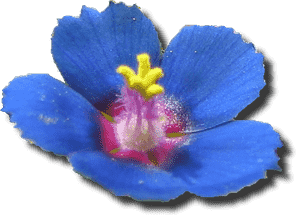
This water-dwelling perennial features buoyant foliage and goblet-shaped blossoms. Essential trimming for cow lily entails eliminating faded flowers and deceased leaves to boost vitality and aesthetic appeal, preferably during the active growth periodâfrom spring to autumn. Occasional reduction of the leaf mass guarantees robust development. Performing pruning during periods of vigorous growth lessens the likelihood of plant distress. Consistent upkeep improves blooming capacity and averts excessive density, contributing to a well-balanced pond environment.
Advantages of Trimming Cow Lily
Advantages of Trimming Cow Lily
Trimming cow lily is essential for promoting abundant flowering, ensuring vigorous plant development, and maintaining its desired form in aquatic settings. This practice stimulates revitalization and preserves the visual appeal of ponds or water gardens featuring cow lily.
Optimal Time for Trimming Cow Lily
Optimal Time for Trimming Cow Lily
Late Spring to Early Summer is the preferred period for trimming cow lily as the plant has just exited dormancy and is beginning new growth. Pruning during this window encourages strong new development and helps sustain the plant's shape and vitality. Furthermore, any potential frost damage has passed, minimizing harm to the plant. Early Fall is also suitable for light trimming to remove spent blooms or dead foliage, fostering better health and preparing cow lily for winter. It is crucial to avoid extensive pruning in this season, as new growth might not have adequate time to harden before colder weather arrives. These recommended timings align with cow lily's natural growth cycle, reducing stress and enhancing flowering prospects for the next season while safeguarding its overall well-being.
Tools Required for Trimming Cow Lily
Long-handled pruning shears
To reach into the water without disturbing the aquatic environment, long-handled pruning shears enable gardeners to trim and shape cow lily from the pond's edge. They are designed for leverage and precise cuts with minimal effort.
Pond gloves
To shield the gardener's hands from the aquatic environment and any potential irritants or sharp stems, waterproof pond gloves that extend up the arms are necessary when trimming cow lily.
Aquatic plant scissors
These specialized scissors feature long handles and are designed for underwater use, offering precision in trimming cow lily foliage below the water surface without causing undue damage to the plant or surrounding aquatic life.
Handheld pruning saw
For thicker stems that might be too robust for shears or scissors, a handheld pruning saw can be used cautiously for cow lily, ensuring clean cuts that will promote healthy regrowth.
Floating debris net
To promptly remove cuttings from the water and keep the pond clear, a floating debris net is useful for collecting plant material after trimming cow lily.
Wading gear
For deeper ponds where the center cannot be reached from the edge, wading gear may be necessary to safely access cow lily for more comprehensive trimming tasks.
How to Trim Cow Lily
Clean and sharpen tools
Before starting, ensure all trimming tools are clean and sharp to prevent injuring cow lily and to make clean cuts that heal quickly.
Identify diseased leaves
Inspect cow lily for any diseased leaves, recognizing them by discoloration, spots, or decay. These leaves should be your primary focus when trimming.
Trim diseased leaves
Using your pruning shears, carefully remove diseased leaves from cow lily by cutting at the base of the stem. Do not tear or pull leaves off to avoid unnecessary damage to the plant.
Remove withered leaves and flowers
After diseased leaves, cut off withered leaves and dead flower heads. Make your cuts where the leaf or flower stem meets the main plant to encourage healthy new growth.
Dispose of debris
Dispose of all trimmed material away from cow lily to prevent the potential spread of disease and reduce the chance of pests. Never compost diseased plant material.
Common Trimming Errors with Cow Lily
Excessive trimming
Removing too much foliage from cow lily, which can stress the plant and lead to a weaker root system and fewer blooms.
Uneven trimming
Cutting cow lily unevenly, causing the plant to have an asymmetrical shape that can affect both its aesthetics and its health.
Dull tools
Using dull or unclean trimming tools, which can create jagged cuts that are more susceptible to disease and pests.
Trimming healthy growth
Mistakenly cutting away healthy leaves and stems, potentially reducing the vigor and bloom potential of cow lily.
Ignoring dead material
Failing to remove dead or dying foliage, which can hinder the growth of cow lily by wasting resources and attracting pests.
General Trimming Advice for Cow Lily
Clean cut
Make clean, sharp cuts to prevent damage to cow lily's tissues and help the plant heal more quickly.
Selective trimming
Selectively trim only the necessary parts of cow lily, focusing on dead or dying foliage to promote better plant health.
Shape maintenance
When trimming, pay attention to cow lily's natural shape to maintain its aesthetic appeal while also encouraging new growth.
Tool sanitization
Before and after trimming cow lily, clean and sanitize all tools to prevent the spread of disease.
Knowledge of plant structure
Understand cow lily's growth patterns and structure to make informed decisions when removing stems or leaves.



