The Cow lily Plant Advantage: Maximizing Home and Office Appeal and Wellness
1
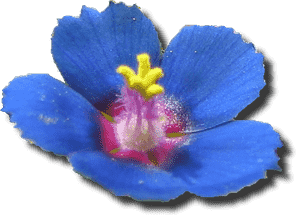
The cow lily is an indigenous aquatic flora that improves the aesthetic appeal and ecological diversity of aquatic environments.
2
This plant offers crucial living space for diverse animal life, such as fish and insects.
3
It aids in enhancing water purity through the removal of contaminants and the retention of silt.
How Does Cow lily Enhance Garden Aesthetics?
A Splash of Color
Cow lily showcases vivid yellow blossoms that appear throughout summer, making it a striking feature for any water setting. Its broad, floating leaves offer a rich green contrast, adding dynamic visual appeal to ponds and wetlands.
Creating a Naturalistic Setting
Integrating Cow lily into your garden helps establish a naturalistic environment that emulates natural aquatic areas. This not only boosts the garden's beauty but also draws in various forms of wildlife, fostering a tranquil and flourishing ecosystem.
What Environmental Benefits Does Cow lily Offer?
Supporting Local Wildlife
The dense foliage of Cow lily provides refuge and breeding grounds for numerous aquatic creatures, including fish, frogs, and insects. This presence of wildlife can boost your garden's biodiversity, creating a more balanced and sustainable environment.
Improving Water Quality
Cow lily plays a vital role in purifying water bodies. Its roots absorb excess nutrients and pollutants from the water, lessening the risk of harmful algal blooms. Furthermore, the plant aids in stabilizing pond sediments and reducing turbidity, leading to clearer and cleaner water.
How Can Cow lily Be Cultivated?
Optimal Growing Conditions
Cow lily thrives in shallow, slow-moving water bodies with full sun exposure. It prefers sandy or muddy substrates where it can anchor its roots securely. Ensuring these conditions can lead to healthy and abundant growth of the plant.
Planting and Maintenance Tips
Propagating Cow lily involves planting its rhizomes directly into the substrate or utilizing aquatic baskets for easier management. Regular upkeep includes thinning out overcrowded areas and removing dead leaves to prevent decay and maintain water quality.
Where Can Cow lily Be Found?
Natural Habitats
Cow lily is naturally found in ponds, lakes, and slow-moving rivers across North America. Its presence in these habitats signifies a healthy and balanced ecosystem, making it a valuable indicator species.
Garden and Landscape Use
Gardeners and landscape designers can introduce Cow lily to artificial ponds or wetlands to replicate its natural habitats. By doing so, they can enjoy its environmental benefits while contributing to local conservation efforts.
What Are the Challenges of Growing Cow lily?
Potential Pests and Diseases
While Cow lily is relatively resilient, it can be vulnerable to certain pests such as aphids and diseases like root rot, especially in over-saturated conditions. Monitoring the plant regularly and ensuring proper water circulation can alleviate these issues.
Balancing Growth
Cow lily can spread rapidly under ideal conditions, potentially becoming invasive. Regular monitoring and management are crucial to maintaining a balanced growth that benefits the garden and prevents overcrowding.



