How to Transplant Texas sacahuista?
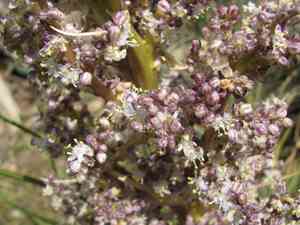
Relocate texas sacahuista during the pleasant period of late spring through early summer to facilitate root development prior to the colder season. Select a location bathed in sunlight featuring soil that drains effectively. Recommendation: Slowly introducing texas sacahuista to external environments improves its chances of successful transplantation.
What Preparations are Needed Before Transplanting Texas Sacahuista?
What is the Ideal Time for Transplanting Texas Sacahuista?
Move texas sacahuista during the transition from late spring to early summer for optimal root development. This timing allows texas sacahuista to acclimate before intense heat, promoting vigorous growth. Such a schedule leverages mild weather, facilitating a smooth transition and reducing stress for texas sacahuista. A helpful tip: this period is ideal for the plant to flourish after relocation!
How Much Space Should You Leave Between Texas Sacahuista Plants?
For texas sacahuista, provide ample room, approximately 2.5-3.5 feet (0.76-1.07 meters), between each specimen. This ensures sufficient space for root expansion and healthy development! Remember, thriving plants lead to a content gardener.
What is the Best Soil Mix for Texas Sacahuista Transplanting?
Texas sacahuista thrives in well-draining soil, incorporating sand or grit for effective drainage. A foundational fertilizer rich in phosphorus will aid in stimulating root growth. Begin by enriching your soil with this fertilizer prior to planting.
Where Should You Relocate Your Texas Sacahuista?
Texas sacahuista loves sunlight, so select a garden spot that receives abundant sun exposure. A sunny location will help ensure robust and healthy growth. However, a bit of shade during the day's hottest hours would be beneficial.
What Equipments Should You Prepare Before Transplantation Texas Sacahuista?
Gardening Gloves
To safeguard your hands when working with soil and plants.
Shovel or Garden Spade
To excavate the texas sacahuista and prepare a new planting site.
Pruning Shears
To trim any superfluous roots or foliage.
Gardening Trowel
To carefully extract the plant from its current container or the ground.
Watering Can
To hydrate the texas sacahuista before and after removal, and to maintain consistent moisture once transplanted.
Garden Fork
To loosen the soil around the texas sacahuista when extracting it from the ground.
How Do You Remove Texas Sacahuista from the Soil?
How Do You Remove Texas Sacahuista from the Soil?
From Ground: First, water the texas sacahuista to make the soil easier to manage. Then, use a shovel or garden spade to dig a wide circle around the plant, ensuring the root ball remains intact. Gently work the tool beneath the root ball to lift the plant from its original spot.From Pot: If the texas sacahuista is in a container, pre-watering would be advantageous. Then, place your hand on the soil surface with the stem between your fingers. Invert the pot and gently tap the base. The plant should slide out with its roots and soil undisturbed.From Seedling Tray: Water the tray initially. Then, using a trowel, work around each texas sacahuista to loosen the soil. Carefully lift the plant, retaining as much soil around the roots as possible.
Step-by-Step Guide for Transplanting Texas Sacahuista
Preparation
First, prepare the new site for transplanting the texas sacahuista. Dig a hole that is twice as wide and the same depth as the plant's root ball.
Planting
Carefully position the texas sacahuista in the hole, ensuring the top of the root ball is level with the ground. Backfill the hole with soil, gently firming it around the plant's base.
Watering
After planting, water the texas sacahuista thoroughly and maintain regular watering in the subsequent weeks.
How Do You Care For Texas Sacahuista After Transplanting?
Regular Watering
The soil around the texas sacahuista should be kept moist, but not waterlogged, for the initial weeks after transplanting while the plant establishes its root system.
Pruning
You may need to trim the texas sacahuista after transplanting to reduce water demand and encourage new growth. However, avoid removing more than one-third of the plant to prevent shock.
Monitoring
Observe the texas sacahuista closely, especially during the first few weeks. If leaves begin to wilt or yellow, it may indicate stress, suggesting the plant needs more or less water, or insufficient light.
Troubleshooting Common Issues with Texas Sacahuista Transplantation.
When is the best time to transplant texas sacahuista?
The ideal period to transplant texas sacahuista is during the S3-S5 seasons. This typically spans late summer through early spring when the plant is semi-dormant.
How much space is needed between each texas sacahuista when transplanting?
Allow a generous spacing of approximately 2.5-3.5 feet (76-107 cm) between each texas sacahuista plant. This ensures ample room for growth and flourishing without competition.
Why is my transplanted texas sacahuista not growing?
Your texas sacahuista might be experiencing transplant shock – this occurs when a plant struggles to adapt to its new environment. Be patient, ensure adequate hydration, and avoid excessive sun exposure initially.
How should I prepare the soil before transplanting texas sacahuista?
Ensure the soil drains well. Enrich it with organic matter and confirm the pH level is neutral to slightly alkaline. This creates an optimal habitat for your texas sacahuista.
What's the best way to water texas sacahuista after transplanting?
Texas sacahuista requires consistent but not continuous watering. Allow the soil to almost dry out between waterings, then thoroughly soak it. Overwatering can lead to root rot.
How deep should I plant texas sacahuista during the transplanting?
Dig a hole as deep as the root ball and twice its width. This allows texas sacahuista's roots ample space to spread and firmly establish.
What should be the perfect light condition for texas sacahuista after transplanting?
Texas sacahuista prefers full sun to partial shade. Ensure the plant receives approximately 6-8 hours of sunlight daily post-transplanting for optimal development.
Do I need to fertilise texas sacahuista after transplanting?
It's not immediately necessary to fertilize texas sacahuista after transplanting. Allow it to settle first. Once new growth is steady, a balanced slow-release fertilizer can be applied.
How do I handle texas sacahuista during the transplanting process to minimise damage?
When transplanting texas sacahuista, always handle it by the root ball, never by the stem or leaves. This will reduce stress on the plant during relocation.
How can I ensure texas sacahuista survives transplant shock?
Post-transplant, texas sacahuista may exhibit temporary wilting or discolouration. Ensure proper watering, provide shade from intense midday sun, and allow it time to adjust to its new surroundings.



